
Thoughts after watching Episode 5
See the original blog post here
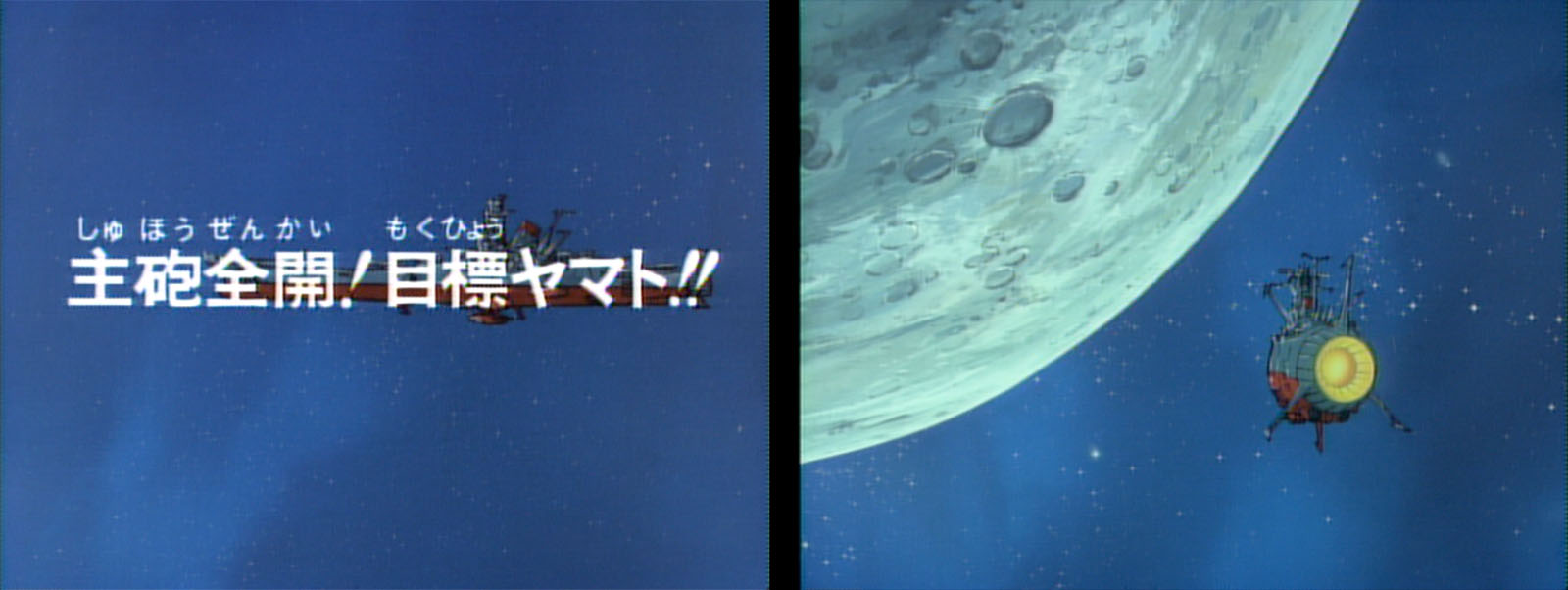
Episode 5 of Yamato 2 explores the distinction between “orders” and one’s “mission” through the confrontation between Yamato, which departed in defiance of orders, and Andromeda, a state-of-the-art vessel sent to pursue it. Captain Hijikata’s decision not to fire his main guns at the end suggests he realized that stopping Yamato would not necessarily equate to protecting Earth.
In this article, we examine Captain Hijikata’s decision from the perspective of a former field engineer in the LPG industry by reviewing key events: the reunion of Yuki Mori and the Cosmo Tiger squadron, the battle within the asteroid belt, the dialogue between Kodai and Hijikata, the tense pursuit near Jupiter’s orbit, and the movements of Dessler.
Synopsis
Tension Immediately After Launch: The Cosmo Tiger Squadron and Yuki Mori Join Up
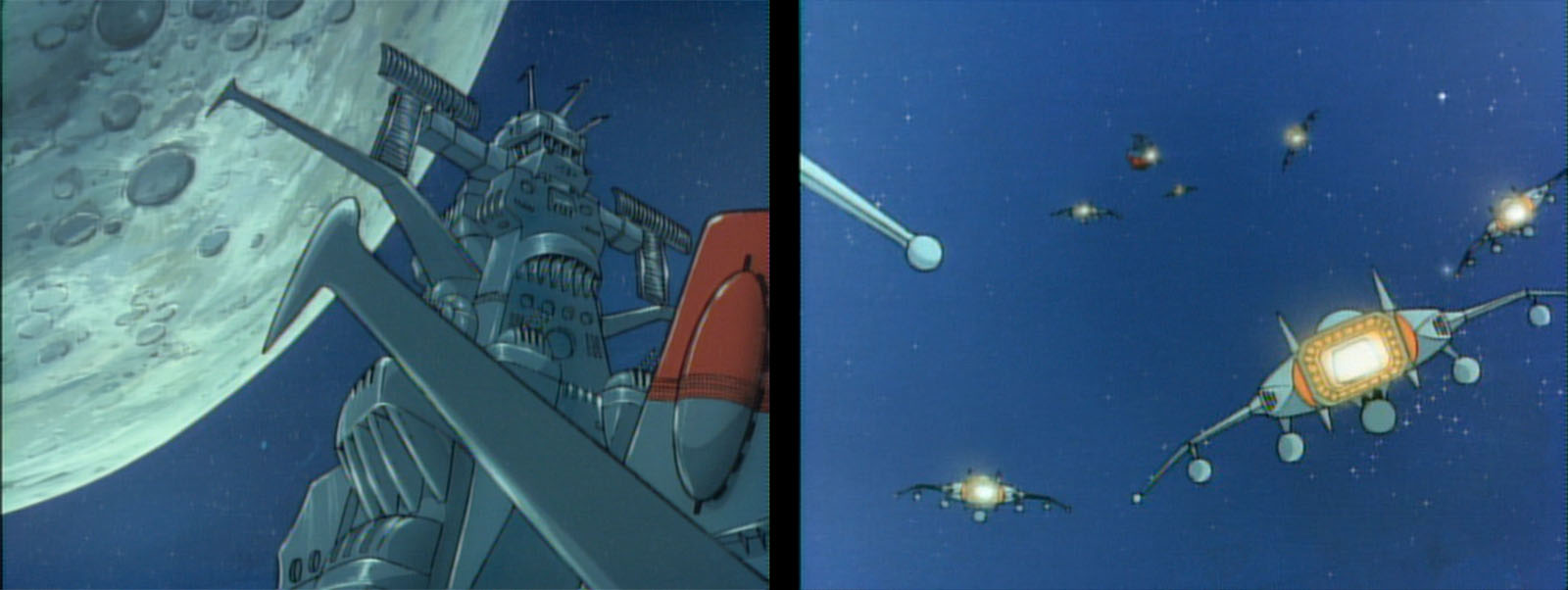
Episode 5 begins with Yamato navigating within the Earth Defense Force’s “absolute defense zone.” Their objective: to pinpoint the source of a mysterious message received from the direction of the distant Andromeda Galaxy.
With 30 minutes remaining until they pass the lunar base, the ship is traveling at a speed of 3 “space knots.” On the bridge, Shiro Sanada and the others breathe a sigh of relief, remarking, “It looks like we’ve succeeded.” Susumu Kodai, however, keeps them sharp, warning, “We’re still within Earth’s absolute defense zone, don’t let your guard down.” Shortly after, Yamato crosses the Moon’s orbit and enters the radar range of the lunar base.
Before long, the air wing is spotted, and craft from the lunar base approach at high speed.
“They aren’t planning to attack us, are they?”
“Who knows, we are considered traitors, after all.”
For a fleeting moment, the entire ship shifts to battle stations. However, those who approach are Kato and Yamamoto, both from the Lunar Command Air Corps, along with Jiro Tsurumi of the Third Air Corps.
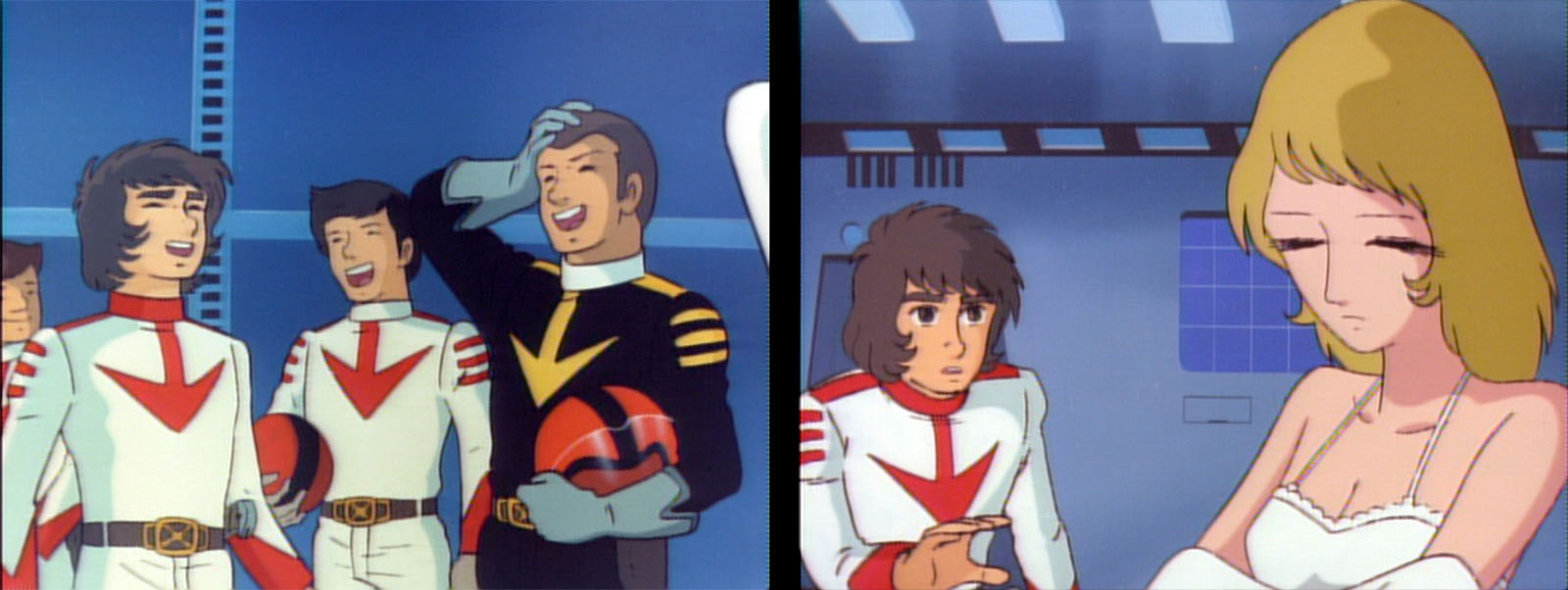
As the landing bay opens, Kato and his companions come aboard board, laughing as they remark, “There’s a huge commotion back at the lunar base. Word is Yamato has staged a mutiny!” Since Yamato carries only a single Cosmo Zero, the arrival of Kato and his team, flying New Cosmo Tigers, is a significant boost to the ship’s defensive air capabilities.
Around the same time, elsewhere on the ship, Dr. Sakezo Sado is having a drink. His companion is Yuki Mori, from the Life Support Division of the Earth Defense Force’s Science Bureau. Upon discovering Yuki, whose name did not appear on the crew manifest, Kodai initially orders her to leave the ship. Yuki, however, stands her ground, insisting, “I’ll find my own way back, even if I have to go for a spacewalk! You were the one who told me to leave, Susumu Kodai!”
Ultimately, Kodai declares, “As acting captain, I am assigning a mission to Yuki Mori,” effectively authorizing her presence on board. Yuki replies, “If everyone else was going, I wanted to be there too, right by your side.” This scene clearly illustrates that Yamato‘s voyage is not merely a mission carried out under orders, but a journey chosen by each individual on board.
Andromeda Begins Its Pursuit
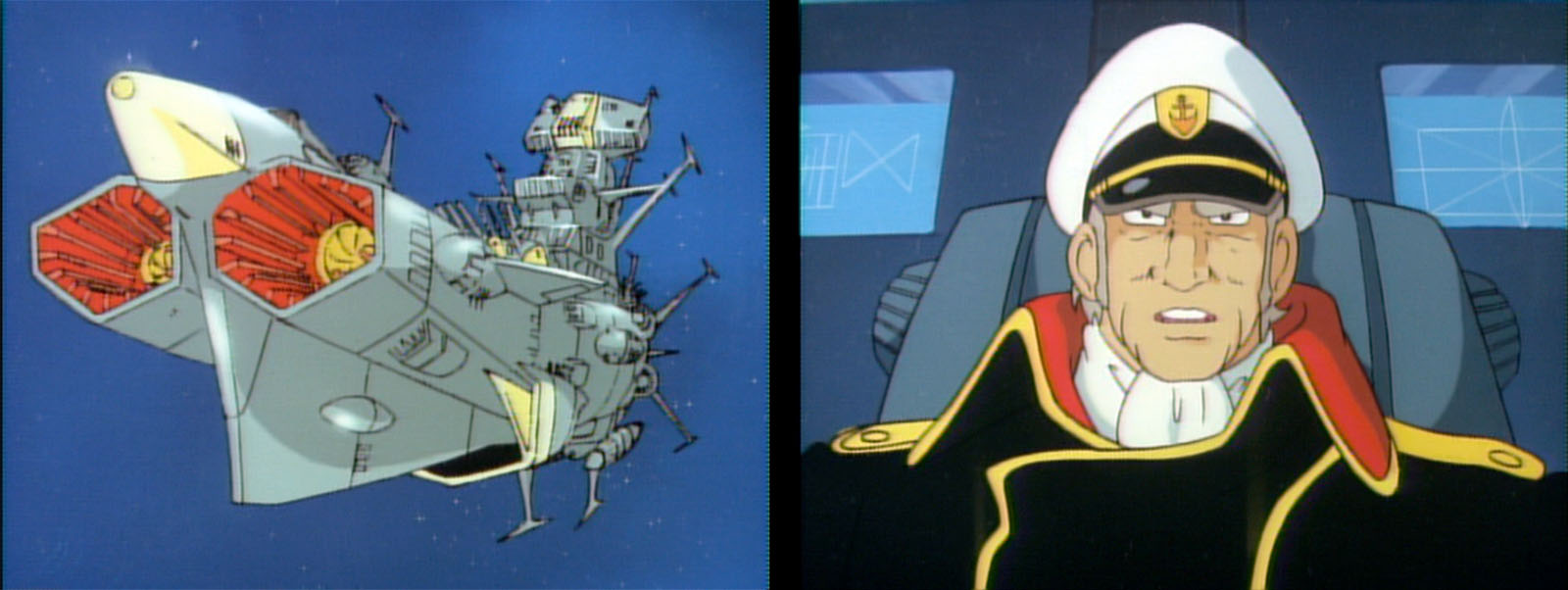
As Yamato passes the orbit of Mars and reaches a distance of 2,000 “space kilometers,” another vessel is set in motion: Andromeda, the latest, state-of-the-art ship of the Earth Defense Fleet, commanded by Ryu Hijikata. Having departed from the orbit of Venus, Andromeda steadily closes the gap, with an intercept expected to take place in the vicinity of Jupiter by the following dawn.
Meanwhile, aboard Yamato, the crew, relieved to have finally cleared Earth’s absolute defense perimeter, break out drinks for a toast. Just as someone quips, “Well, time to bid Earth farewell,” the situation shifts abruptly.
“That’s Andromeda!” Andromeda has suddenly closed the distance, exploiting a blind spot on Yamato‘s radar. It is now positioned right on Yamato‘s tail.
A transmission arrives from Andromeda: “This is the Earth Defense Fleet’s Andromeda, calling Yamato.” It is an order to stop. Kodai dismisses it, declaring, “No need to respond,” and asks Daisuke Shima, “Can we shake Andromeda?”
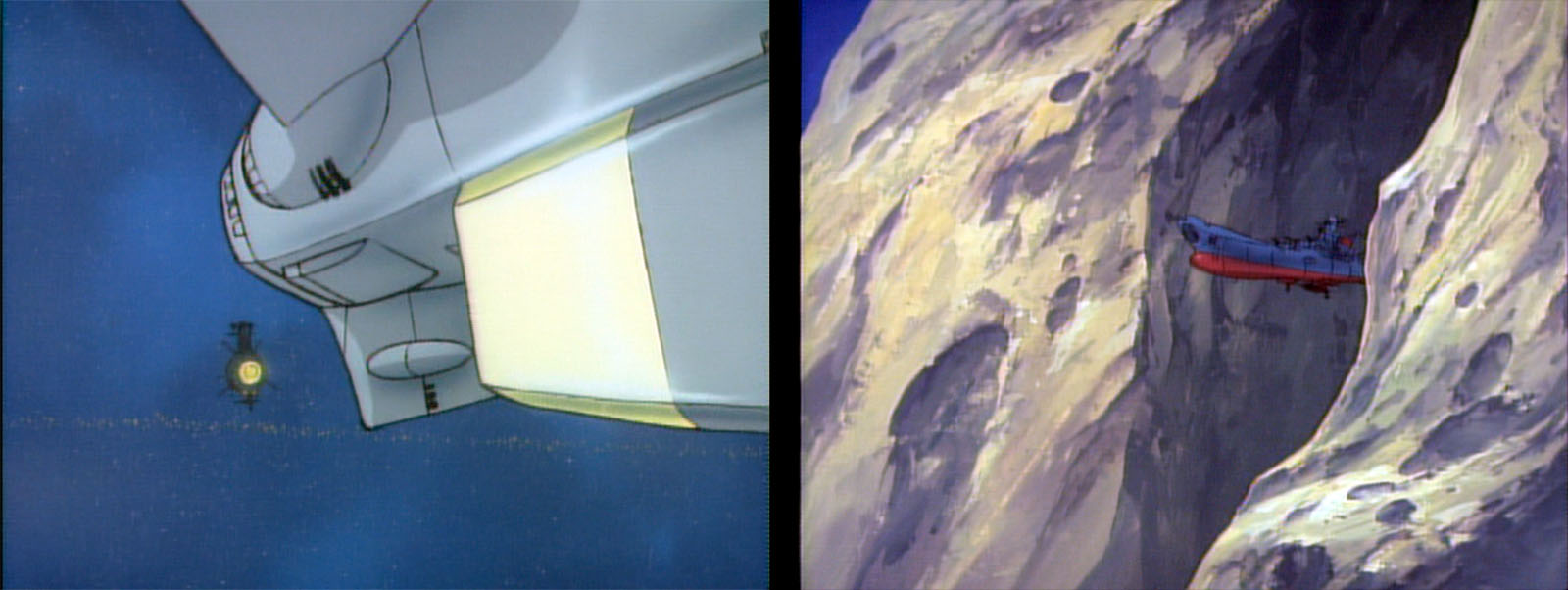
“Not a chance, she’s a state-of-the-art vessel, after all.” In terms of raw performance, the aging Yamato stands no chance. Kodai makes a split-second decision: steer the ship into the asteroid field ahead.
“It’s a gamble. Full speed ahead!” Yamato accelerates, plunging into a treacherous sea of rock. Hijikata reacts instantly: “Ignoring orders from the Fleet Commander, are they? They intend to hide in the asteroid field, increase speed!” He pushes his own engines to the limit.
Battle in the Asteroid Field
The asteroid belt spans 1,800 “space-kilometers” in distance and 300 in width. There is hardly any room to maneuver. A single miscalculation could inflict a fatal blow upon the ship. On the bridge of Andromeda, someone suggests, “Shall we fire a warning shot?” but Hijikata dismisses the idea, saying, “That would be a waste.” He then adds, “Listen up, it’s going to get a bit rough,” and commands the ship forward.
Meanwhile, on the bridge of Yamato, everything hinges on Shima’s skill at the helm. The ship surges ahead at full speed, weaving through a dense field of countless rock fragments. Even Kato and the others, muttering, “These guys sure are reckless,” watch as the ship presses onward.
Before long, a report, bordering on a cry of distress, is heard aboard Andromeda. “Captain, it’s impossible to navigate through a place like this!”
“What about Yamato?”
“We’ve lost her. the asteroids are interfering with our radar.”
Hijikata, however, remains unfazed. “Don’t panic. Keep moving forward, break through the asteroid belt and get ahead of Yamato. Move!”
For a moment, it seems Yamato has managed to shake off its pursuer. Upon hearing the report, “No sign of Andromeda. it looks like they’ve given up the chase,” Shima lets out a breath, remarking, “I guess that’s the first hurdle cleared.”
Kodai, however, does not let his guard down. “It’s too early to tell. We’re up against Hijikata, he’s not the type to give up so easily. Besides, stopping Yamato is a direct order from Command. Andromeda will definitely be back.”
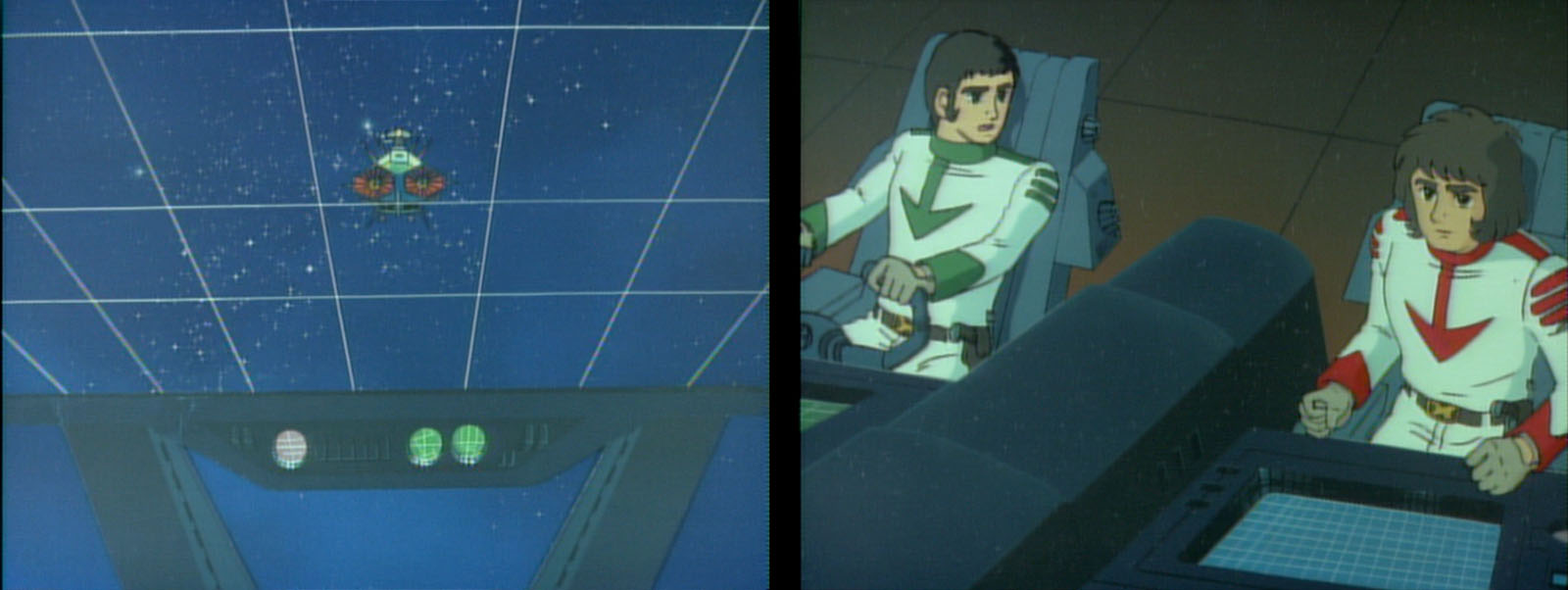
His premonition proves correct. As they crossed Jupiter’s orbit, Andromeda appears clearly on the video panel.
“Large combat ship confirmed!”
“It’s Andromeda!”
“So, they managed to get ahead of us after all.”
Hijikata’s calculations have been spot on, he is now standing directly in Yamato‘s path.
Jupiter Orbit: A Confrontation Between Kodai and Hijikata
Near the orbit of Jupiter, at bearing NW-30 and a distance of 11.5 “space-kilometers,” the two ships inch closer to one another. Both sides keenly aware of the effective range of their respective main guns. On the bridge, Kodai hesitates. Sanada speaks up: “Talk to him, talk to Hijikata.” When Kodai retorts, “Do you really think he’s the type of man you can reason with?” Sanada urges him on: “Give it a try. You’ve got nothing to lose.”
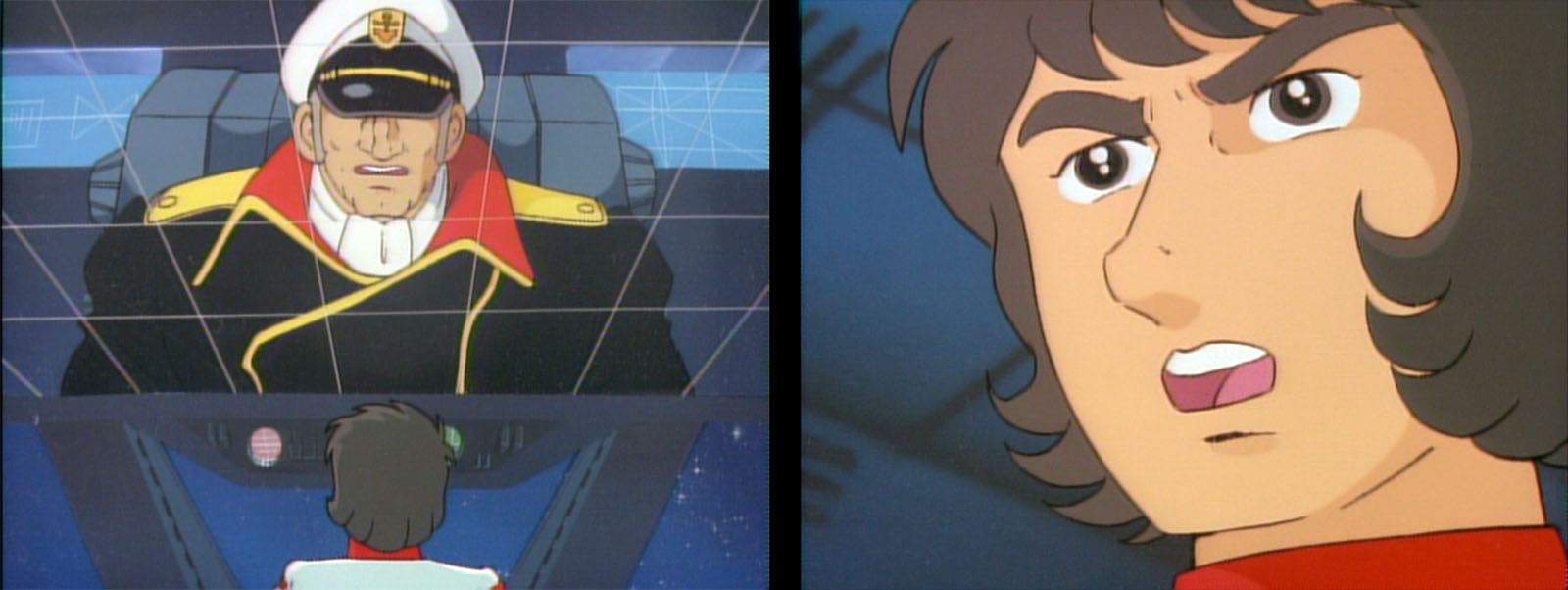
Before long, Hijikata responds to the communication. “Kodai, I won’t say much. Turn back. You know what kind of man I am, but… turn back.” The words are brief, yet heavy with meaning.
Kodai presses on: “Hijikata-san, surely the Commander is aware of that message, too? Something grave is unfolding in this universe.”
Hijikata replies, “I won’t deny that. But what do you expect to accomplish with just Yamato? Take my advice, turn back.” Hijikata himself has a vague inkling that something is amiss in the cosmos. nevertheless, his judgment as an adult, a refusal to send young crew members into a death trap, is clear.
Kodai does not back down. “We will not turn back. We are going.”
Hijikata insists, “I will say this one more time: turn back.”
The response he receives is: “I refuse.”
“So be it. If you are determined to go, I shall stop you by force.”
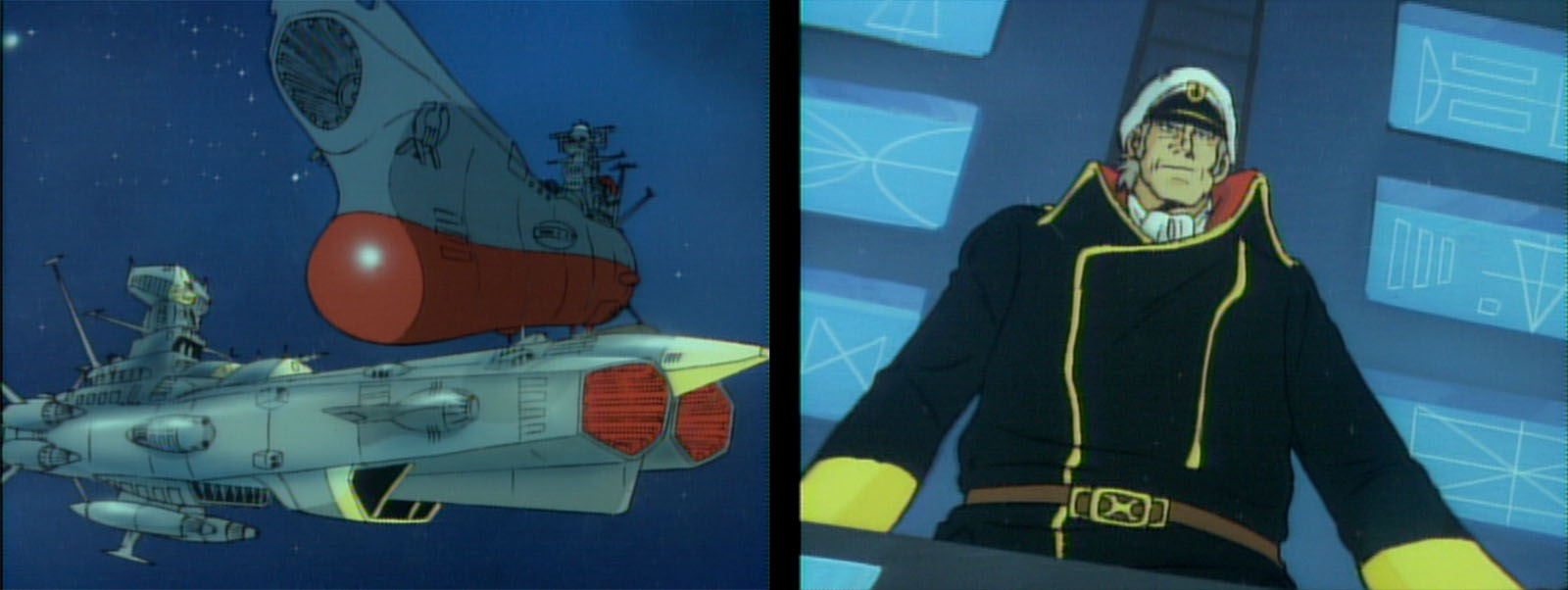
At this, Andromeda shifts its posture. Its bow rotates 180 degrees, and every gun battery is brought to bear on Yamato. It moves into a siege formation, slowly closing the distance from 25,000 to 23,000.
“Look, Kodai, Andromeda is preparing for an all-out fight.” As turrets 1 and 2 move into firing position and the range drops below 20,000, Yamato‘s crew responds: “Turret 1, prepare to fire,” and “Missiles, prepare to fire, range, 15,000.”
Sanada issues a calm warning: “If we push any farther, we’ll end up in a mutual kill. Remember, we set out to uncover the mystery behind the message, don’t lose sight of that.”
A Farewell Message to Yamato, and the Shadow of Dessler
“Shall we open fire?” “No, not yet.”
Hijikata refuses to issue an attack order, even at the very end. “These are Okita’s children.” This one statement evokes the history of Yamato itself, the story of how it once saved Earth under the command of Juuzo Okita.
A shift takes place on the bridge of Yamato. Aihara reports, “We have intercepted a transmission from Andromeda to Earth,” and then reads aloud the message intended for Earth Command: “Reached the designated intercept coordinates, but unable to locate Yamato.”
In effect, this is a communication designed to let Yamato slip away.
Then, another message arrives for Yamato: “I wish you the best of luck and a safe voyage. Captain Hijikata of Andromeda.”
On the bridge, Shima cheers, “We did it!” but Kodai simply replies, with quiet resolve, “This was the right thing to do, Sanada-san.” In that moment, Yamato ceases to be a “rebel ship” and becomes, instead, a vessel that simply has to be allowed to continue its journey.
Yamato sails past Jupiter, moving toward the next phase of its mission. Yet, a completely different threat lies in wait. The scene shifts to the White Comet Empire.
A conversation between Admiral Naska, whose fleet has infiltrated the Solar System, and Dessler, the former leader of Gamilas, highlights the nature of this threat. Naska dismisses Yamato as “just another ship,” but Dessler sees things differently.
“Admiral Naska,” he says, “I have been entrusted by Great Emperor Zordar with the task of dealing with Yamato,” signaling his intent to take personal control over how Yamato is handled.
The Comet Empire, led by Emperor Zordar, has deployed Admiral Goland’s missile fleet as its vanguard, with Dessler’s remaining forces forming the rear guard. A new conflict for Earth, the war against the White Comet Empire, begins in earnest here. Episode 5 serves both to cement Yamato’s departure and to act as a quiet bridge toward the massive battle that lies ahead.
Analysis: Andromeda as a Symbol of the New Order
In Episode 5, Yamato finds itself a “hunted ship” in two distinct ways: first, by the White Comet Empire, an external threat whose true nature remains shrouded in mystery, and second, by the Earth Defense Force, an entity that ought to be an ally.
Andromeda, the most advanced vessel dispatched by the Earth Defense Force, serves as a symbol of this “new order.” It stands in fundamental opposition to the spirit Yamato has carried since the era of Captain Okita: the willingness to act based on on-the-spot judgment.
Drawing from my own 32 years of experience in the field, this dynamic mirrors the classic tension between “following the manual” and “exercising field judgment.” While organizational procedures must certainly be upheld, there are inevitably situations in the field that cannot be resolved by following a manual alone.
Kodai prioritizes the immediate crisis he witnesses firsthand, while Hijikata focuses on discerning the true intent behind orders and the core purpose of Earth’s defense. It is this conflict that gives Episode 5 its palpable sense of tension.
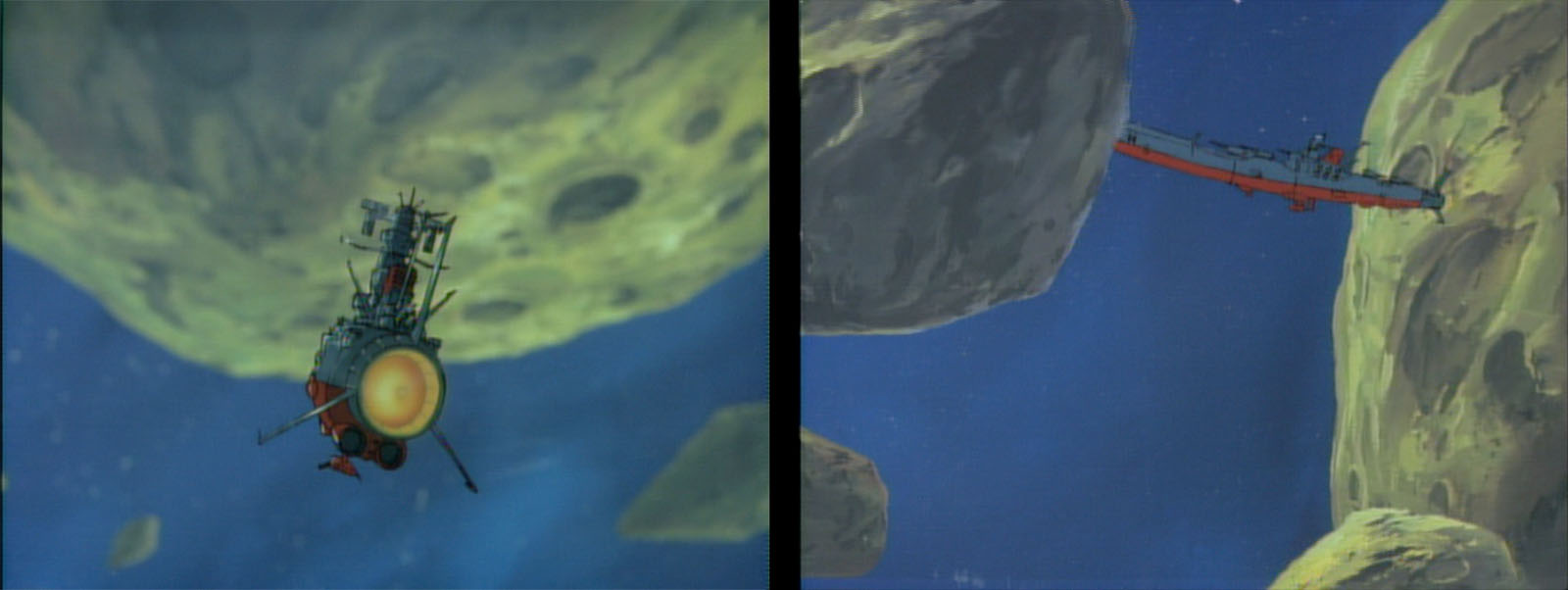
Yamato vs. Andromeda: Daisuke Shima’s Piloting in the Asteroid Belt
In a direct confrontation based purely on technical specifications, the aging Yamato would be at a disadvantage. Consequently, Kodai makes the decision to flee into the hazardous environment of an asteroid belt.
Navigating at high speed, the ship must weave through countless rock formations, a perilous space where a single miscalculation could prove fatal to the vessel itself. Even so, Shima manages to turn the danger to his advantage, successfully navigating Yamato through it.
Moments like this occur in the field, situations where standard safety protocols fall short, forcing one to rely solely on experience and intuition to make split-second, high-stakes decisions. Have you, too, ever found yourself in a situation where established procedures weren’t enough, and you had to rely on your own experience to pull through?
Captain Hijikata, however, is not easily rattled. Rather than pursuing Yamato recklessly, he chooses to anticipate its next move. This isn’t a matter of a difference in ship performance, but a difference in the depth of one’s foresight, a point quietly underscored by their reunion near Jupiter’s orbit.
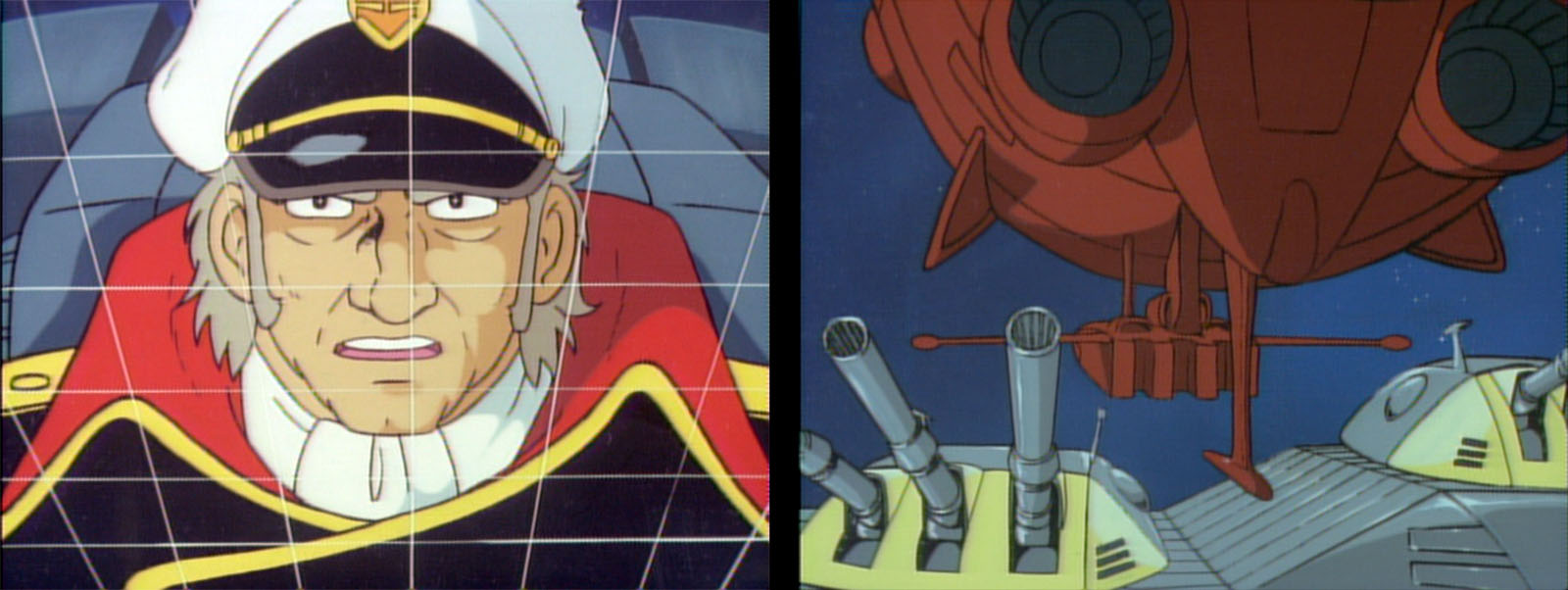
The Conflict Between Susumu Kodai and Ryu Hijikata: Orders vs. The Mission to Defend Earth
Near Jupiter’s orbit, Andromeda once again stands in Yamato’s path. The exchange between Kodai and Hijikata here forms the core of the fifth episode.
Kodai insists that a grave anomaly is unfolding in space, a crisis Hijikata does not entirely dismiss. Yet, Hijikata asks, “What can a single ship like Yamato possibly achieve?” and orders them to turn back.
This is the judgment of a military officer bound by orders, but it is also the judgment of an adult who wishes to spare a young crew from a perilous journey.
Kodai refuses to turn back. Hijikata declares that he will stop them by force, and Andromeda’s main guns are leveled at Yamato. This dialogue captures two individuals, both unyielding, standing at a point where the definition of “what is right” has split in two.
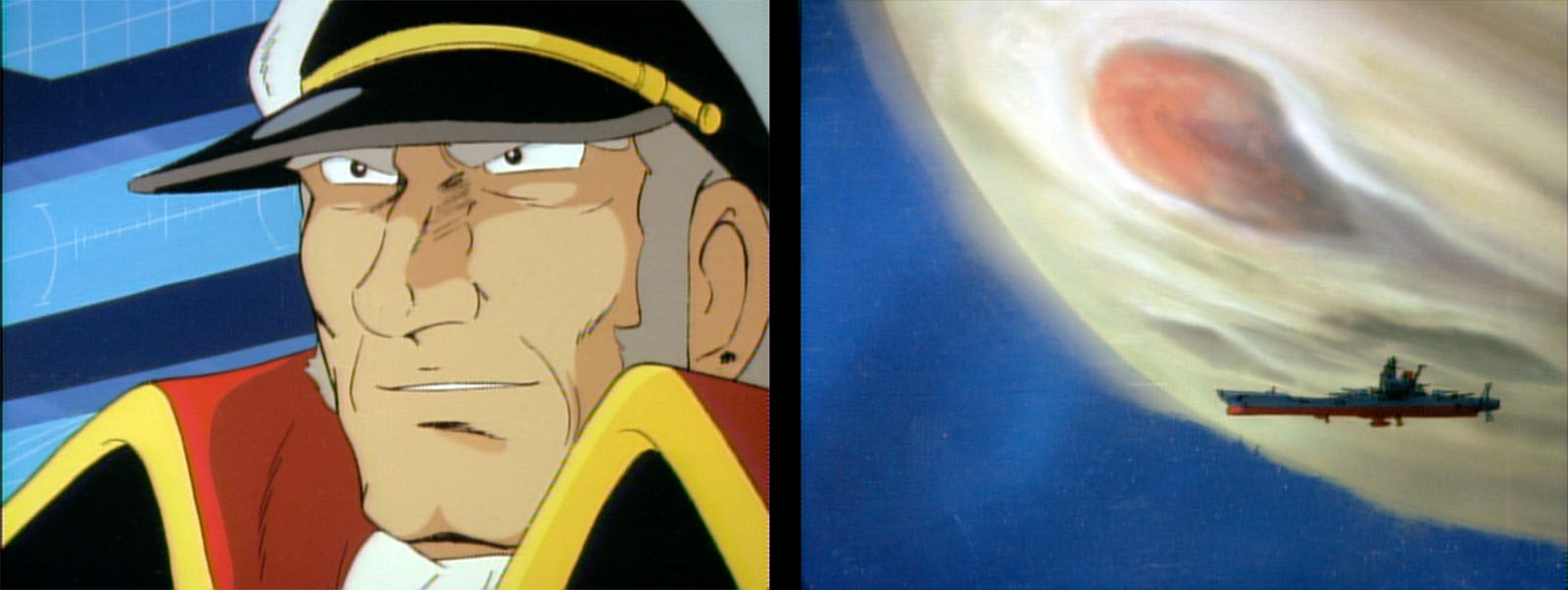
Why Captain Hijikata Does Not Fire Upon Yamato
To put it simply, Hijikata does not fire on Yamato. One reason is likely that he witnessed the firm resolve of Kodai and his crew, though that alone feels like an incomplete explanation.
Perhaps Hijikata wavers because he realizes that “stopping Yamato” and “defending the Earth” are not necessarily one and the same. Strictly speaking, according to orders, stopping the ship is the correct course of action. But if a grave anomaly is unfolding in space, would firing upon Yamato, as it seeks to investigate, truly serve to protect Earth?
Having spent 32 years working in the high-pressure gas industry, I’m reminded of the okuribi (send-off fire) tradition, a custom long practiced in Japanese households during the Obon season.
Obon is a time to set aside routine rules, welcoming those who are dear to us and eventually seeing them off. The okuribi lit at the entrance isn’t meant to hold someone back. it’s a flame that nudges those departing, as if to say, “Go forth.”
Hijikata’s final transmission to Yamato, wishing for a safe voyage, is much like this okuribi. While orders dictated that the ship should be stopped, he looks beyond the immediate confines of Earth’s defense and quietly sends them on their way. I believe that is the true nature of the decision he makes.
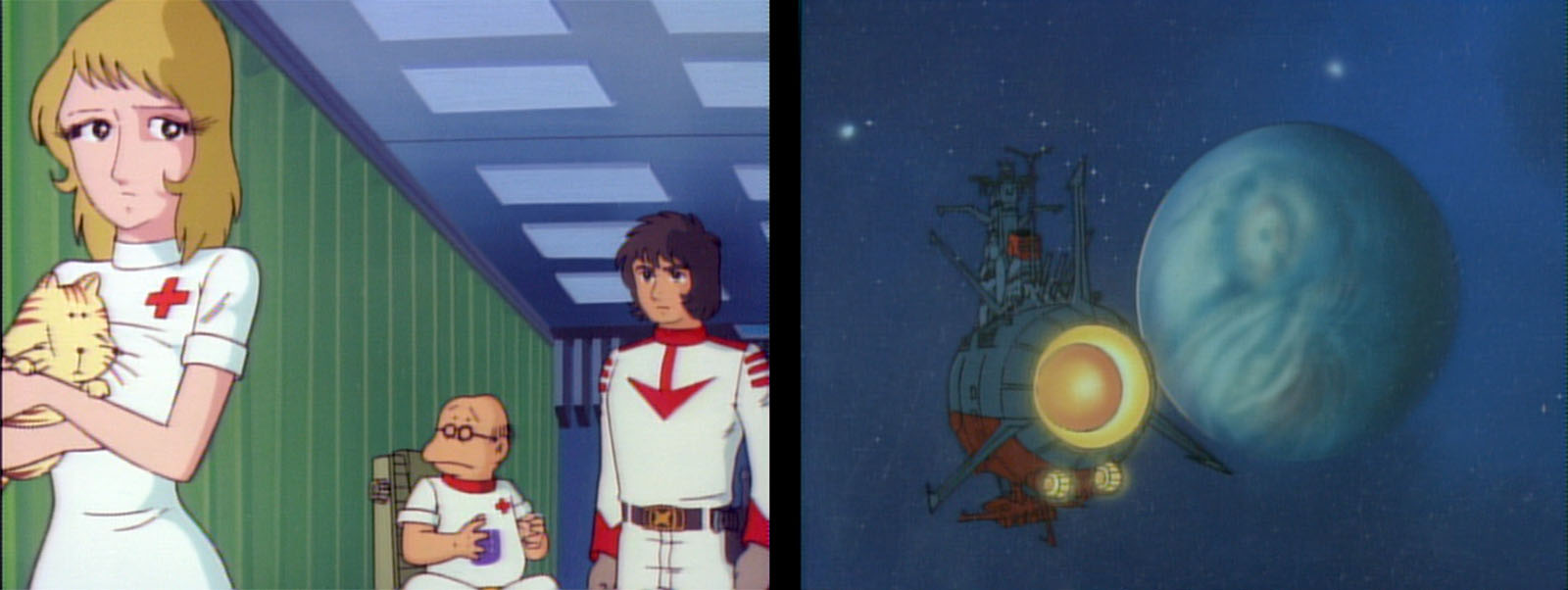
3 Key Highlights from Episode 5
1: Yuki Mori Boards the Ship; A Voyage Chosen, Not Ordered
The moment Kodai orders her to leave the ship, Yuki replies:
“You’re the one who told me to leave, aren’t you, Susumu Kodai?”
Yuki could have lived a safe life had she remained on Earth. Yet, she chose to board Yamato. She did so because she wanted to be there as a comrade, and because she wanted to be by Kodai’s side.
This is about more than just romantic feelings. Yuki’s decision to board Yamato underscores that this journey is not merely a mission carried out under orders, but a voyage that each crew member has chosen for themselves.
2: “They Are Okita’s Children”, A Legacy of Will
When the enemy is within range of the main guns and Hijikata hesitates to issue an attack order, he remarks:
“They are Okita’s children.”
The crew of Yamato are the very people who, under the command of Juuzo Okita, once saved the Earth. They do not act solely on orders. Rather, they think for themselves about what must be protected. Kodai and his crew have inherited that spirit.
Captain Hijikata, a military man of the same generation as Okita, surely understands the weight of that legacy. That is likely why he could not bring himself to fire upon Kodai and his crew, even though they were technically mutineers.
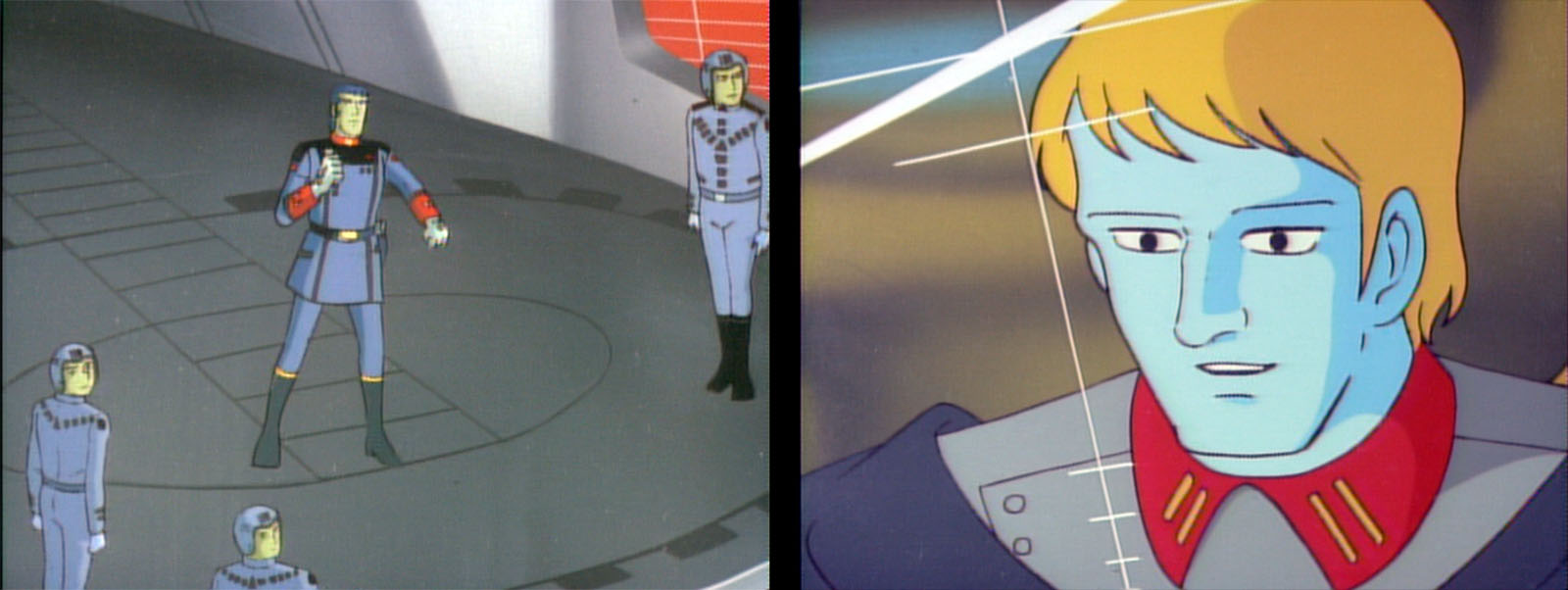
3: The Disparity Between Dessler and Naska; The True Threat Still Lies Ahead
Toward the end, once the pursuit by Earth forces has settled, the narrative shifts to a conversation among the enemy. While Naska dismisses Yamato as insignificant, Dessler sees things differently. Knowing just how formidable Yamato truly is, he insists on handling the situation himself.
Even as the conflict with Earth reaches a temporary lull, a far greater enemy awaits Yamato. Episode 5 serves not only to solidify Yamato’s departure but also to bridge the gap toward the battles yet to come.
Conclusion: Episode 5 marks the moment Yamato transforms into a ship that “must be allowed to depart.”
The highlight of Episode 5 is concentrated in the palpable tension just before the confrontation between Yamato and Andromeda. Andromeda is not an enemy. it is a state-of-the-art vessel built to protect Earth. An exchange of fire would not merely be a battle, it would signify a fracture within the ranks of Earth itself.
Had he chosen only to follow orders, Captain Hijikata could have opened fire. Yet, he chose not to, likely because he sensed a necessity in Yamato’s journey that transcended mere logic. He opted to send them off, much like lighting a okuribi (a ceremonial “send-off fire”). By crossing this line, shifting from a “rebellious vessel” to a ship that “must be allowed to depart”, the voyage of Kodai and his crew truly began.
Postscript
As I wrote this, the sky outside my screen door began to turn a faint, pale white. It is the quietest time of the entire day, too early even for the cicadas to begin their song. My family is fast asleep, as they are every night. When you are a caregiver, you come to realize that these moments, where “nothing happens”, are, in fact, the most precious of all.
Perhaps Captain Hijikata’s decision not to fire was also made during a quiet moment just like this. That is what I pondered while writing this piece. I hope that, in some small way, this stillness reaches you today, too.

An Old Man’s Musings
There is something quite fascinating about Obon. In a household that usually runs strictly according to set routines, things loosen up just a little bit during these few days. We press our palms together in prayer before the family altar, light a mukaebi (a “welcome fire”) to greet the spirits, and finally, bid them farewell with an okuribi (a “send-off fire”). It isn’t a fire meant to hold them back. it is a fire meant to nudge them forward, a way of saying, “Go on, be on your way.”
Watching Captain Hijikata, I was reminded of that very kind of send-off fire. While adhering to the orders given, one might, at the very last moment, quietly let go of something truly precious. It’s much like the logic often found in the field: those with more experience are better able to discern the underlying purpose behind the rules themselves.
Right now, I, too, make decisions every single day to protect my own family. So often, things don’t go according to the manual. Yet, I still find myself, even at my age, learning how to approach these moments: knowing what to welcome in, and what to let go.
This Obon season, did you find yourself in the position of saying “off you go” to someone, or were you the one saying “welcome back”?