
Thoughts after watching Episode 6
See the original blog post here
Episode 6 is a pivotal installment that underscores the encroaching threat of the White Comet Empire toward the Earth sphere through the total destruction of the base on Planet 11.
Although Yamato manages to defeat the enemy fleet using its extended-range main guns, it fails to save the base, succeeding only in rescuing a handful of survivors, including Hajime Saito.
This article explores the terrifying collapse of a facility as its communication, oxygen, and command systems fail one by one; the internal conflict of Susumu Kodai, who cannot fully celebrate Yamato‘s enhanced capabilities; the heavy burden of command shouldered by Hajime Saito; and the differing perceptions of Yamato held by Dessler and Naska. My analysis is presented from the unique perspective of a former field technician at an LPG filling station.
Synopsis
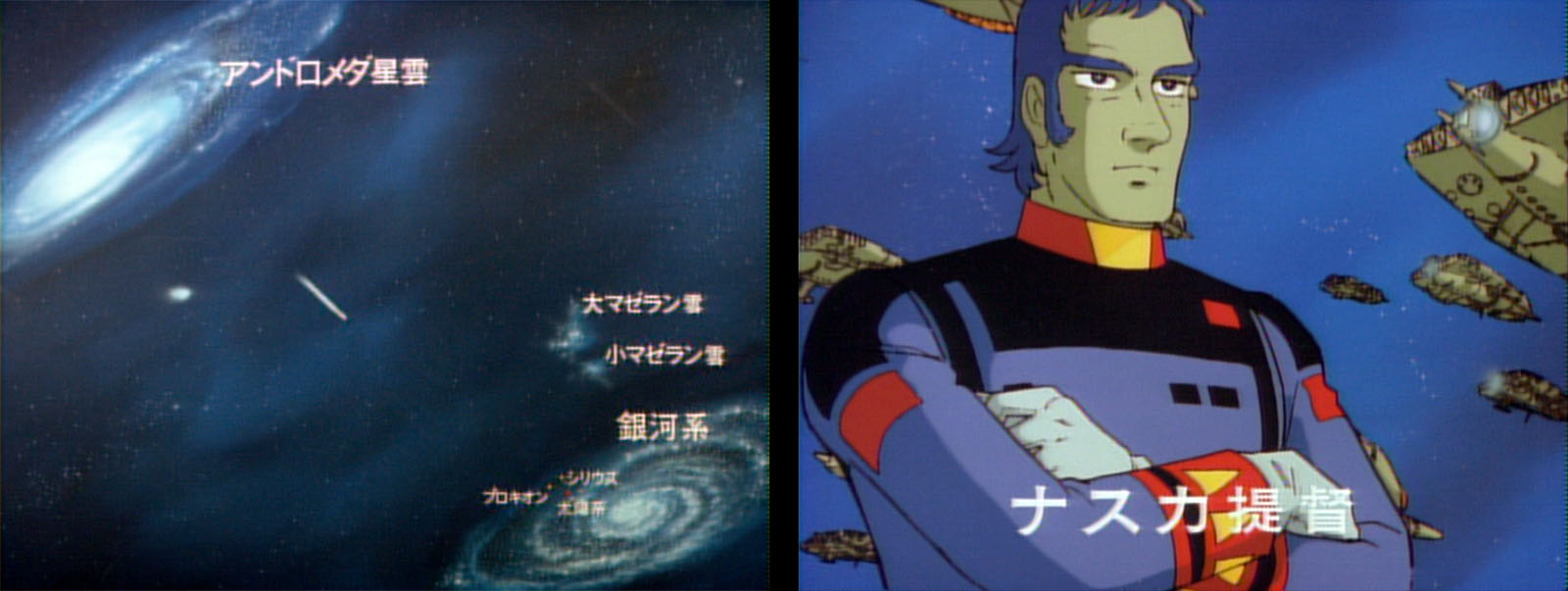
The White Comet Empire’s Invasion of the Galaxy
From the direction of the Andromeda Nebula, a massive white comet advances toward our galaxy. It is, in fact, a “Comet City Empire” led by the Great Emperor Zordar, who seeks to conquer the entire universe. Having already subjugated Andromeda, their next target is the Milky Way galaxy, and the operation to conquer Earth is already underway.
The First Mobile Fleet, commanded by Admiral Baruze, is stationed in the outer reaches of the galaxy, near the Sirius and Procyon systems. Naksa’s vanguard Fleet has infiltrated the Solar System to sow chaos among the Earth Defense Forces. Positioned farther back on the planet Telezart is General Zabaibal’s armored division. Admiral Goland’s missile fleet is in the forward position, while the remnants of the Gamilas fleet, under the command of Leader Dessler, waits in the rear.
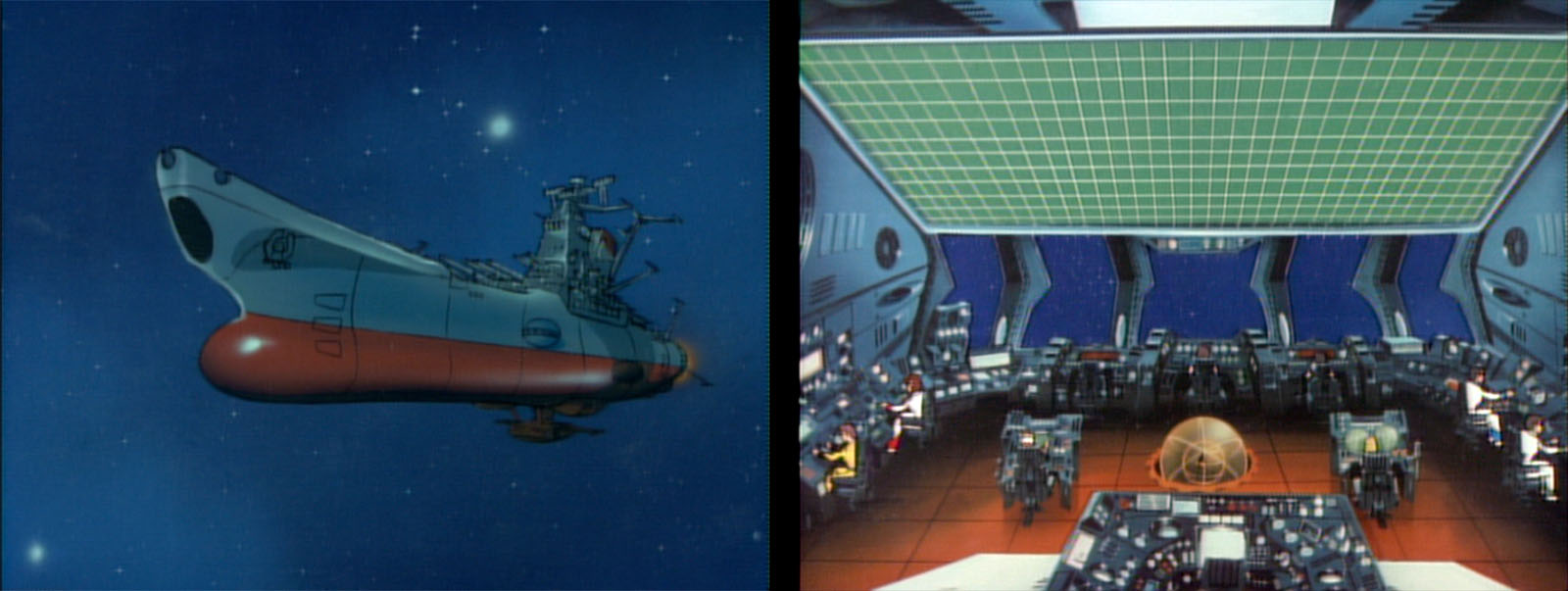
Yamato Heads to the Farthest Reaches of the Solar System
Having sensed an anomaly in the cosmos, Yamato departs Earth, defying the orders of the Earth Defense Forces.
Its mission: to uncover the source of a mysterious message. At this moment, Yamato approachrd the 11th planet, a world located at the very edge of the Solar System. However, a reconnaissance fleet led by Admiral Naksa has already launched an all-out assault on the Earth Defense Forces’ frontline outpost on that planet.
Suddenly, an urgent transmission reaches the bridge of Yamato. The SOS signal originates from the 11th planet.
Susumu Kodai orders “full speed ahead, hard to port,” and Yamato swings sharply around to provide rescue.
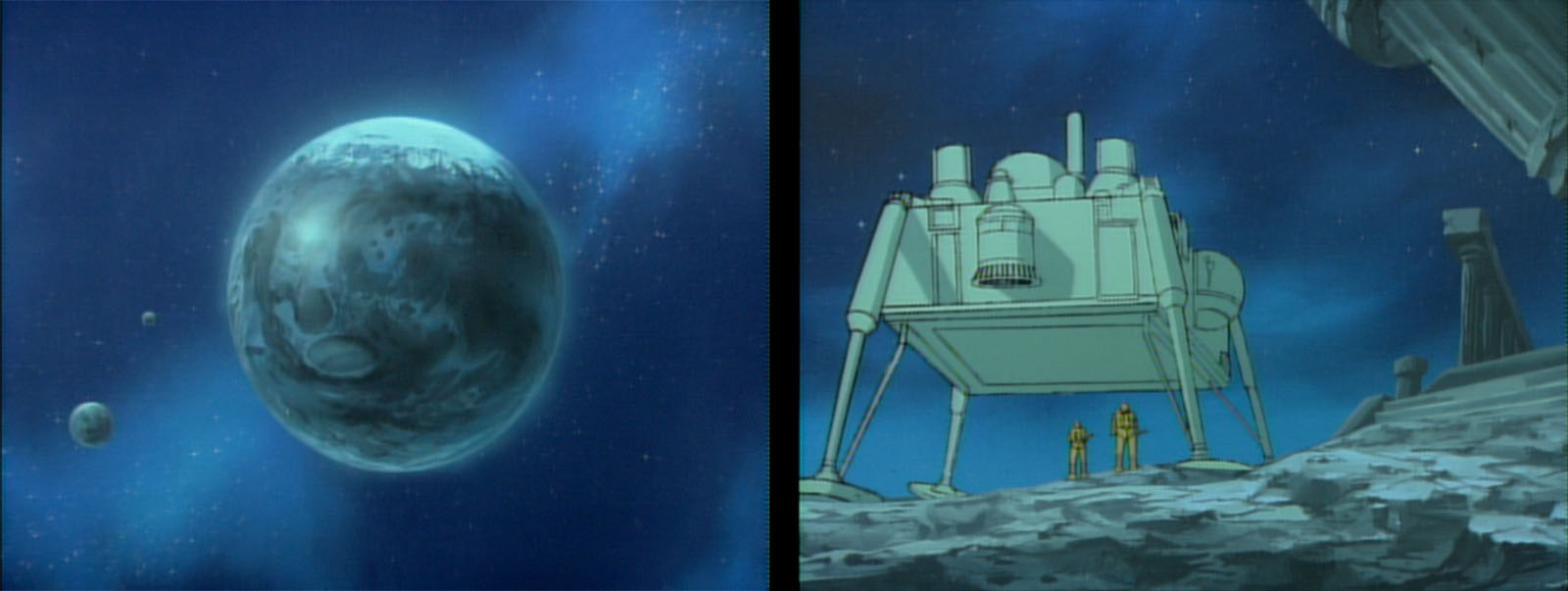
Planet Eleven and the Space Cavalry
Planet 11, discovered at the end of the 20th century, is the most distant celestial body in the solar System.
The planet is home to vast, ancient ruins, remnants of a highly developed civilization that existed hundreds of millions of years ago. Could this dark, airless, and waterless world have once teemed with vibrant life?
At the end of the 22nd century, humanity finally set foot on this mysterious planet. Now, an observation base for resource exploration and a fortified outpost for frontier security have been established here, garrisoned by the elite soldiers of the Space Cavalry.
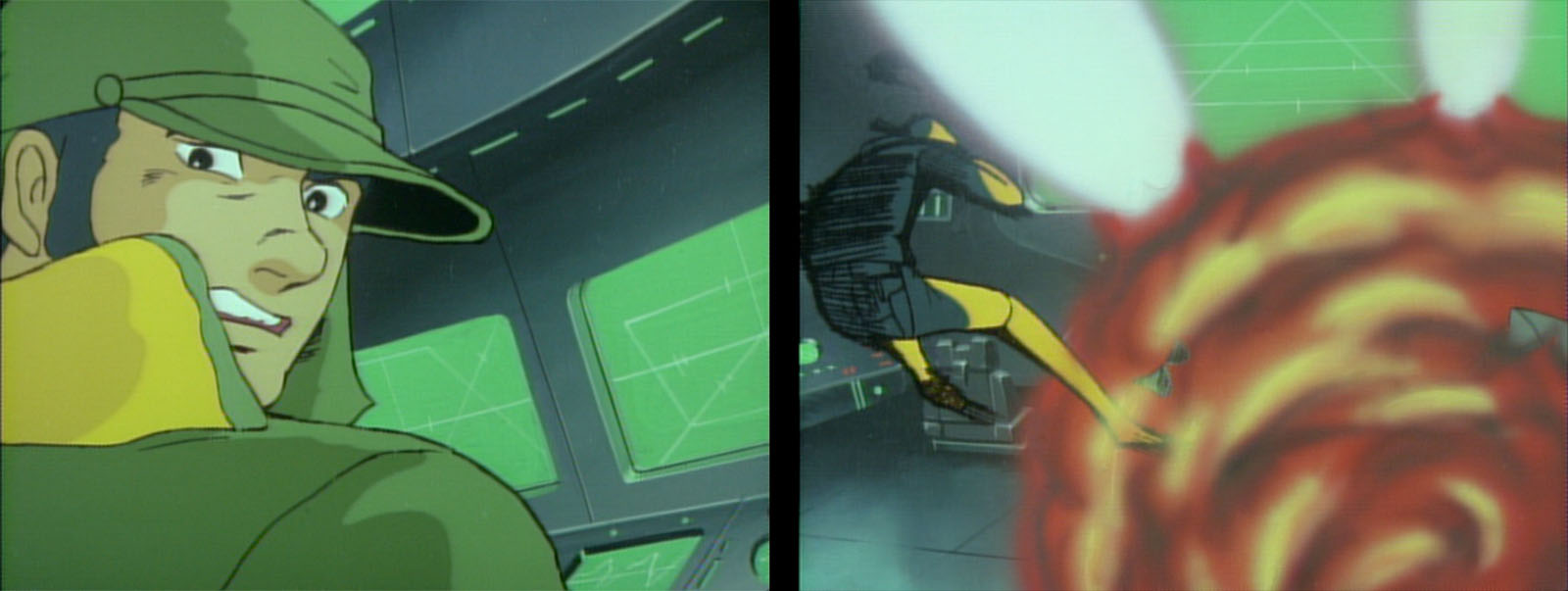
An Assault on the Base and the Valiant Stand of Hajime Saito
“Multiple unidentified flying objects, approaching rapidly!” The crew members gasp as silhouettes appear on the main display. They are the same type of attack craft that once assaulted Yamato during its return journey to Earth. The enemy craft dive, striking the base and silencing the defenders one by one with pulse lasers.
Inside the base, communications are severed and emergency power lines have failed. Amidst the chaos, Space Cavalry Captain Hajime Saito barks orders at his shaken subordinates, forcing them to hold their positions.
“These cowards are nothing but ambushers!” he roars, using rough, aggressive language to rally his men, while repeatedly warning them that losing their fighting spirit would mean certain defeat.
The Naksa Fleet and the Cosmo Tiger Squadron
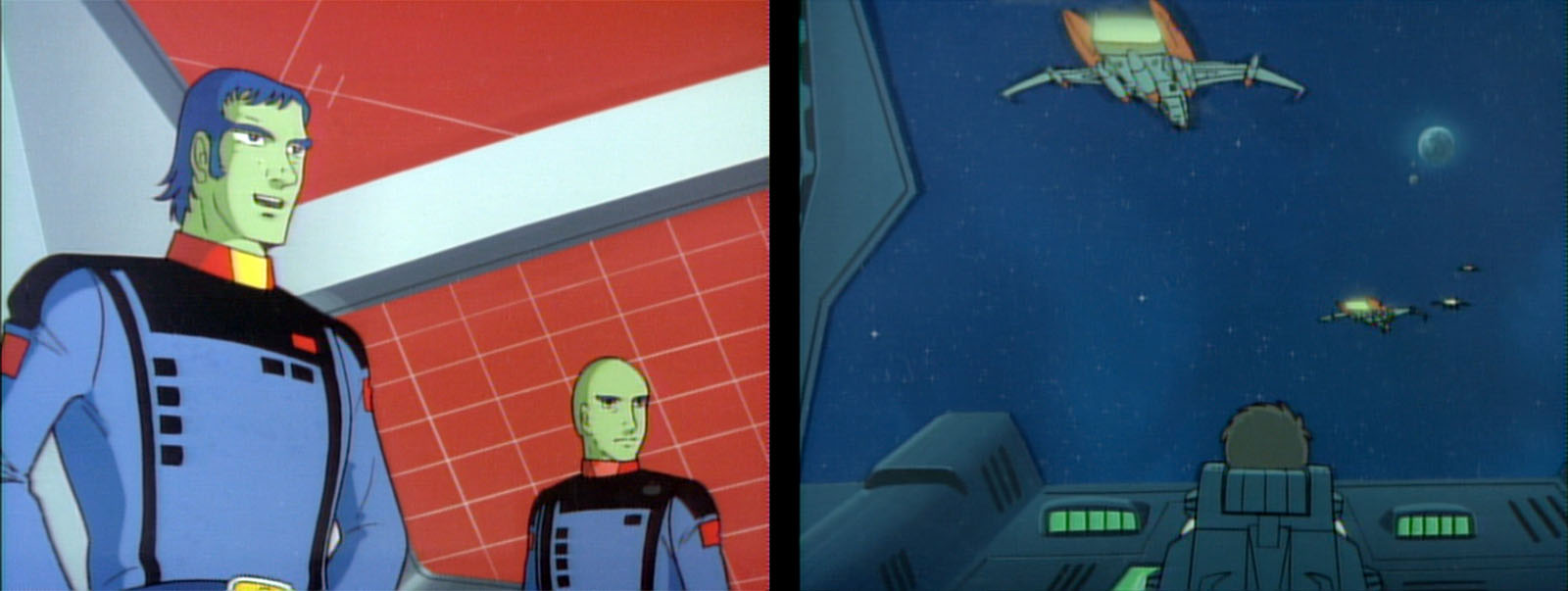
Commander Naksa soon confirms that the large vessel approaching from the direction of the Pluto base is Yamato.
Acting on orders that Yamato must not be allowed to draw near to Planet 11, enemy warships are dispatched to intercept it. Meanwhile, Yamato launches its Cosmo Tiger squadron, with Saburo Kato and his pilots heading out to provide support for the base.
Destruction via Long-Range Main Cannons
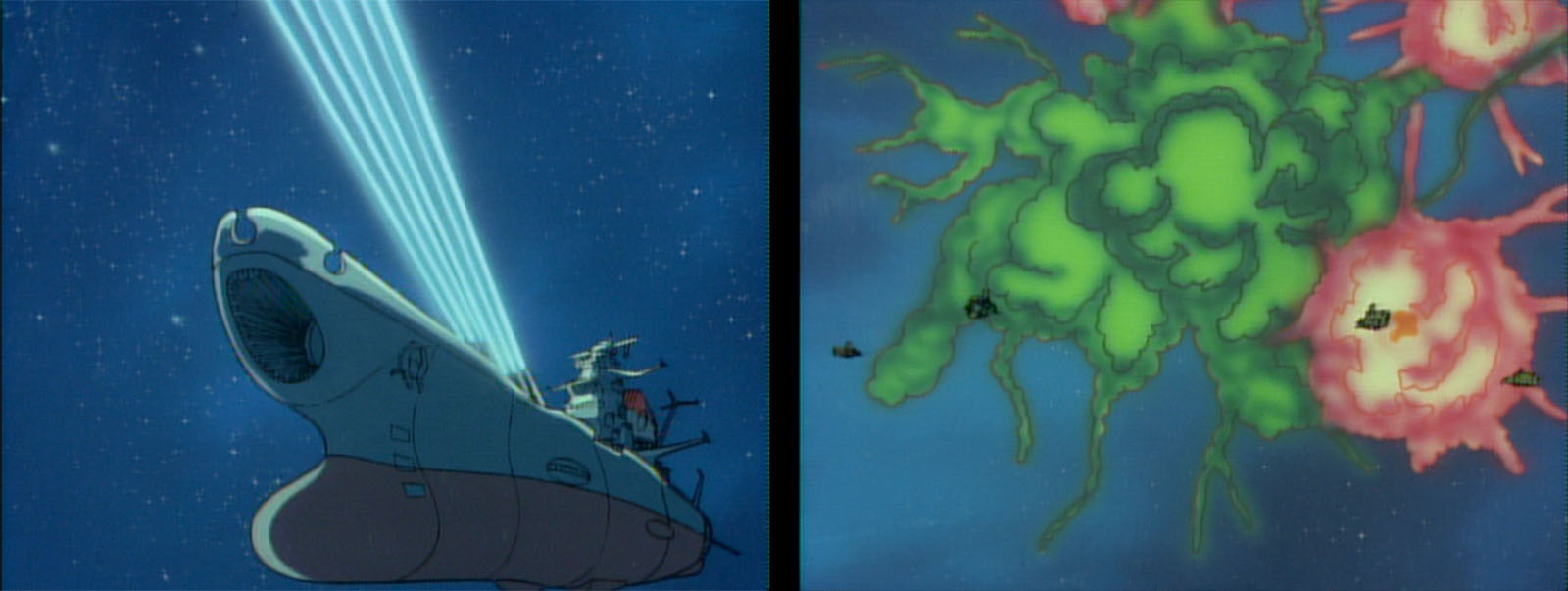
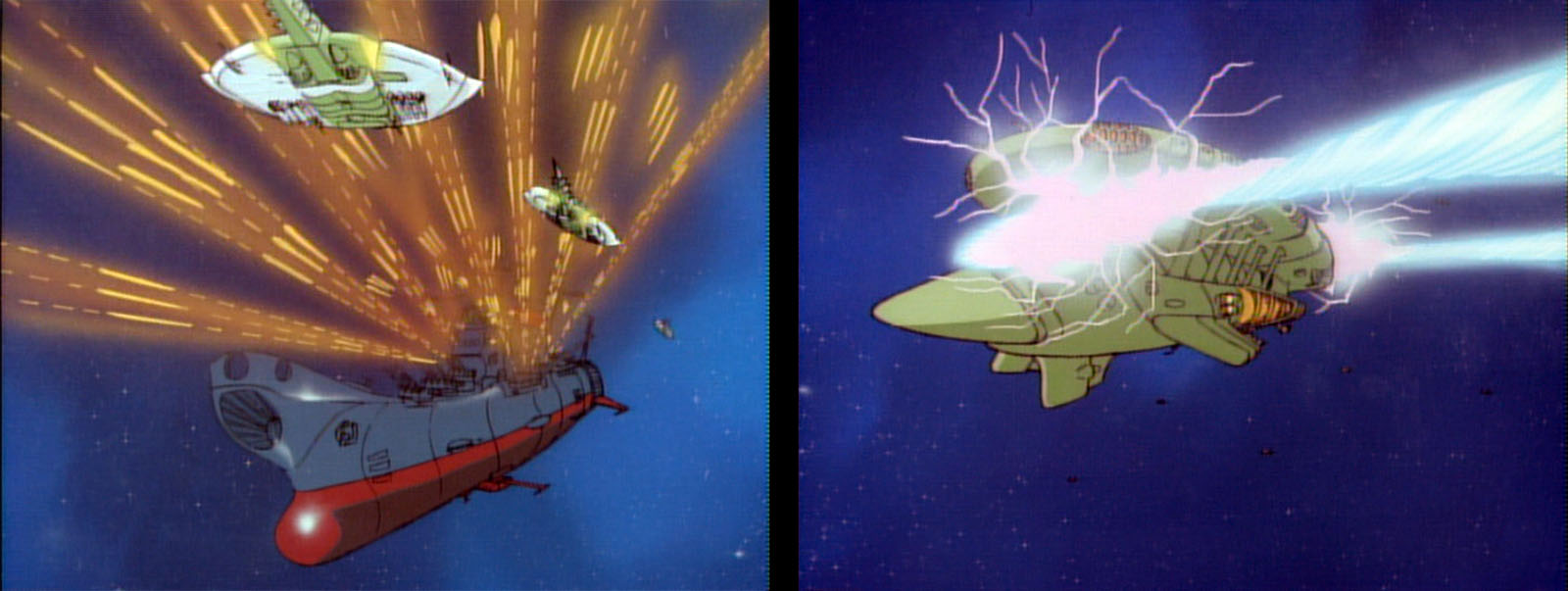
A fleet is detected ahead at a range of 11.5 space-kilometers. Informed by Shiro Sanada that the main cannons’ range has been extended through modifications, Kodai initiates a bombardment of the enemy fleet from 10 space-kilometers away. After fine-tuning the bearing and elevation, two consecutive volleys from the main cannons succeed in destroying the enemy fleet.
“I never wanted a day to come where something like this would be useful.” In these words, Kodai captures the gravity of a new conflict beginning.
Ignoring two enemy ships approaching from the starboard side, Shima pushes Yamato forward at full speed toward Planet 11.
Oxygen Leaks and Block Closures Within the Base
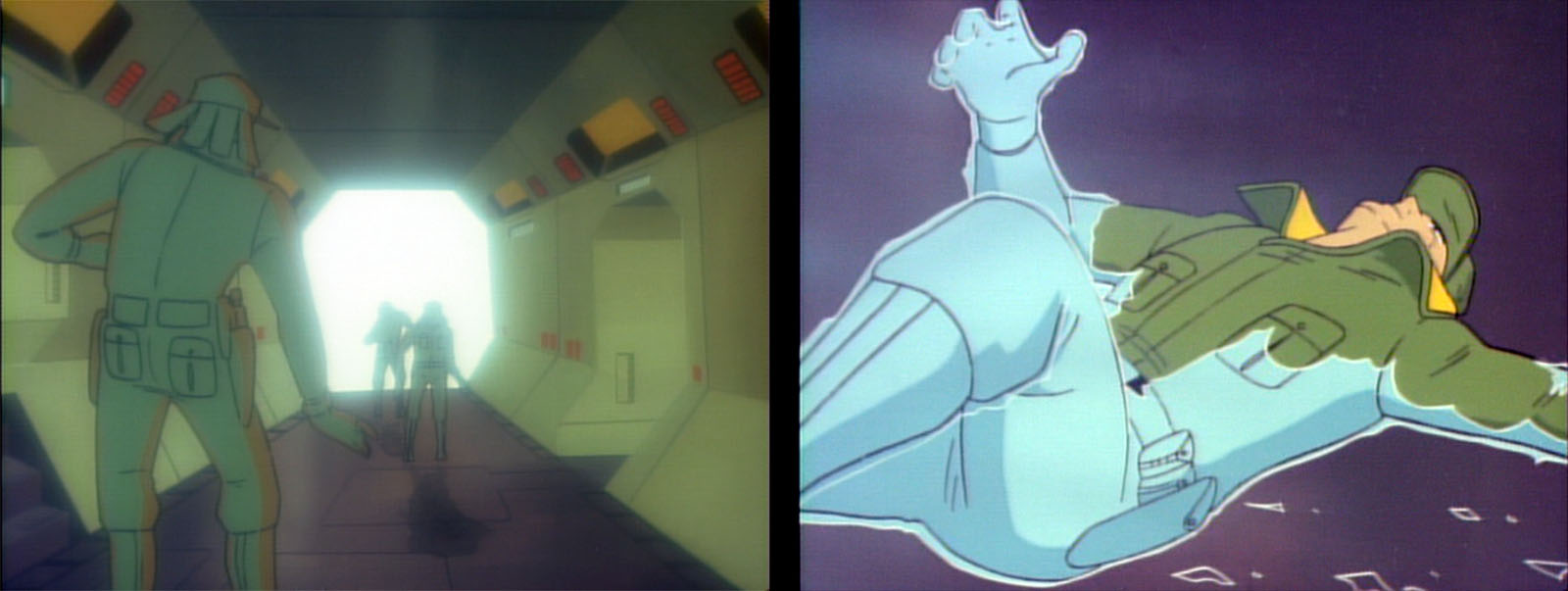
Damage within the base continues to spread. Oxygen begins leaking from Block B, followed by a similar breach in Block C. Lowering the protective shutters would halt the spread of the damage. However, Saito shouts, “There are still survivors fighting in that wing!” and, grabbing his space combat suit, heads toward the front lines. It is a situation where a single decision to seal off a section carries the weight of potentially abandoning one’s own allies.
Before long, enemy ground forces land, and the conflict shifts to a ground battle. “Ground combat is our specialty,” Saito declares. He orders his troops to assemble at the communications block, then personally leads the First and Second Platoons into the enemy lines.
Yamato Arrives Above the Base
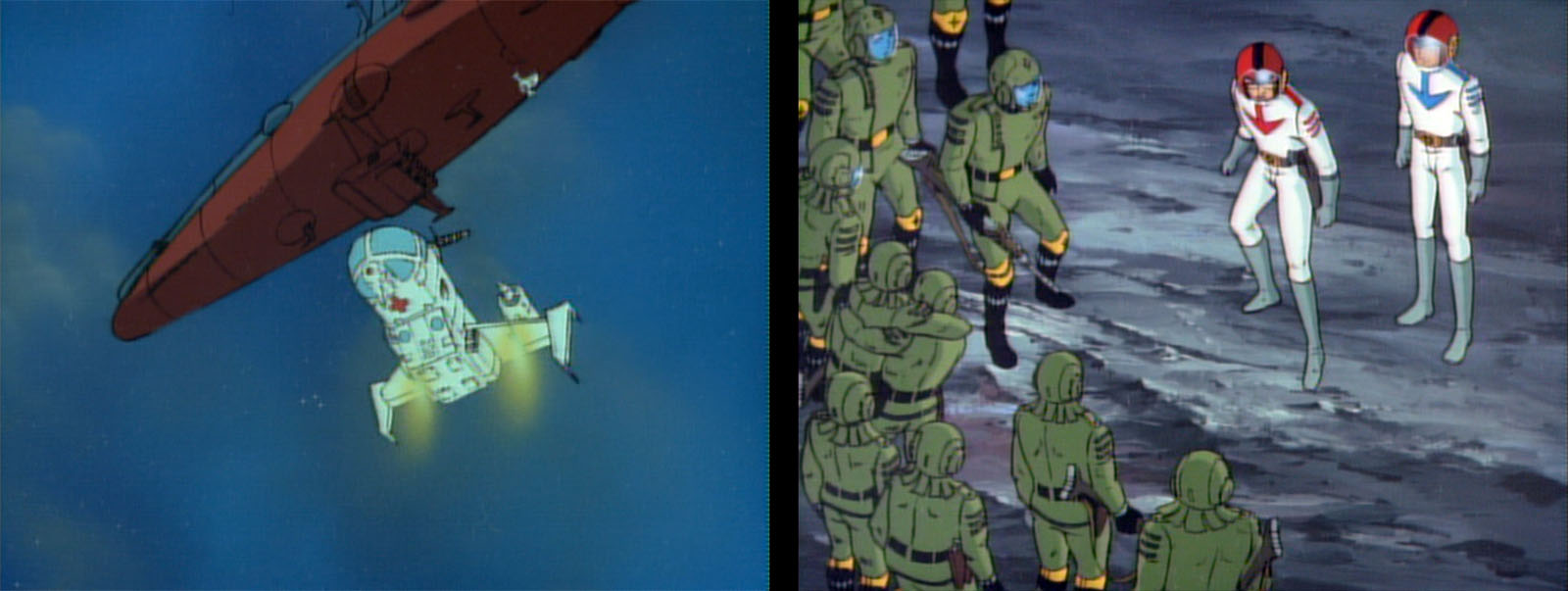
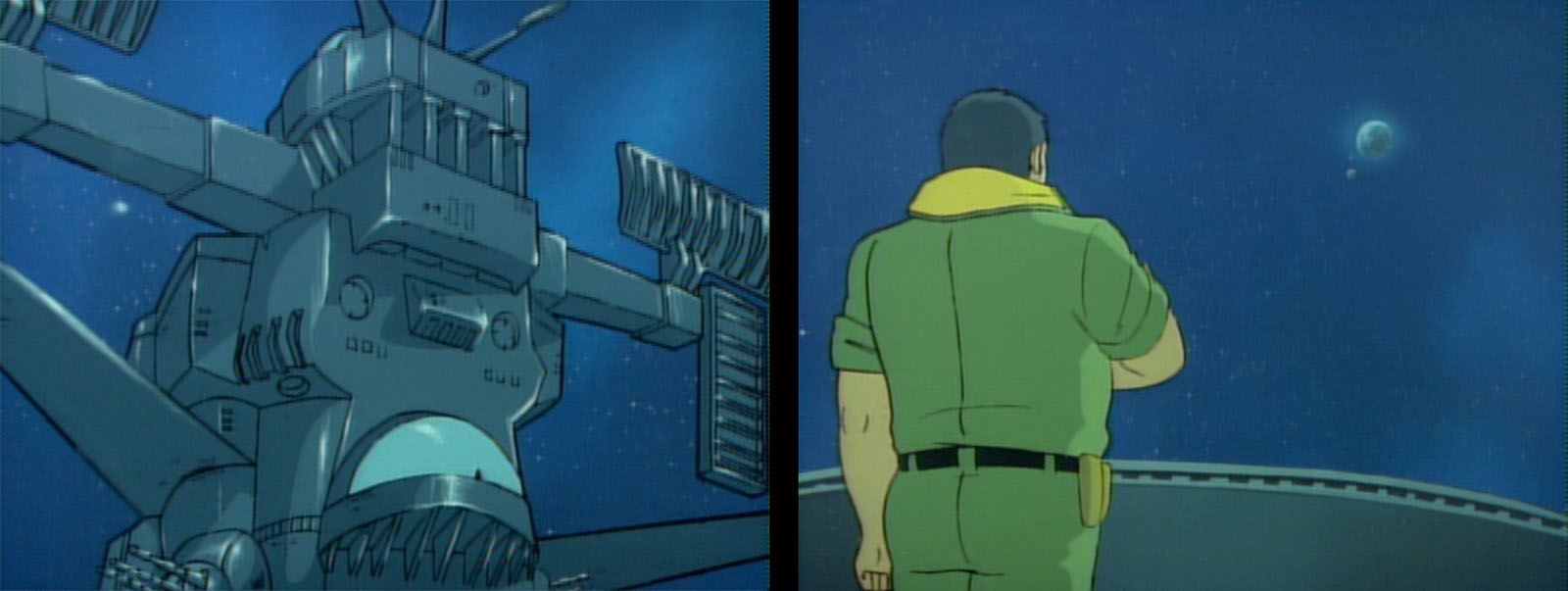
Yamato reaches the airspace above the base. The enemy counters with torpedoes fired from their bows. The fighter squadron is wiped out, forcing Naska’s unit to withdraw. Although Naska’s aircraft carrier attempts to turn and flee, Kodai, prioritizing rescue over pursuit, decides to descend immediately toward the base on Planet 11.
Only Two Dozen Survivors
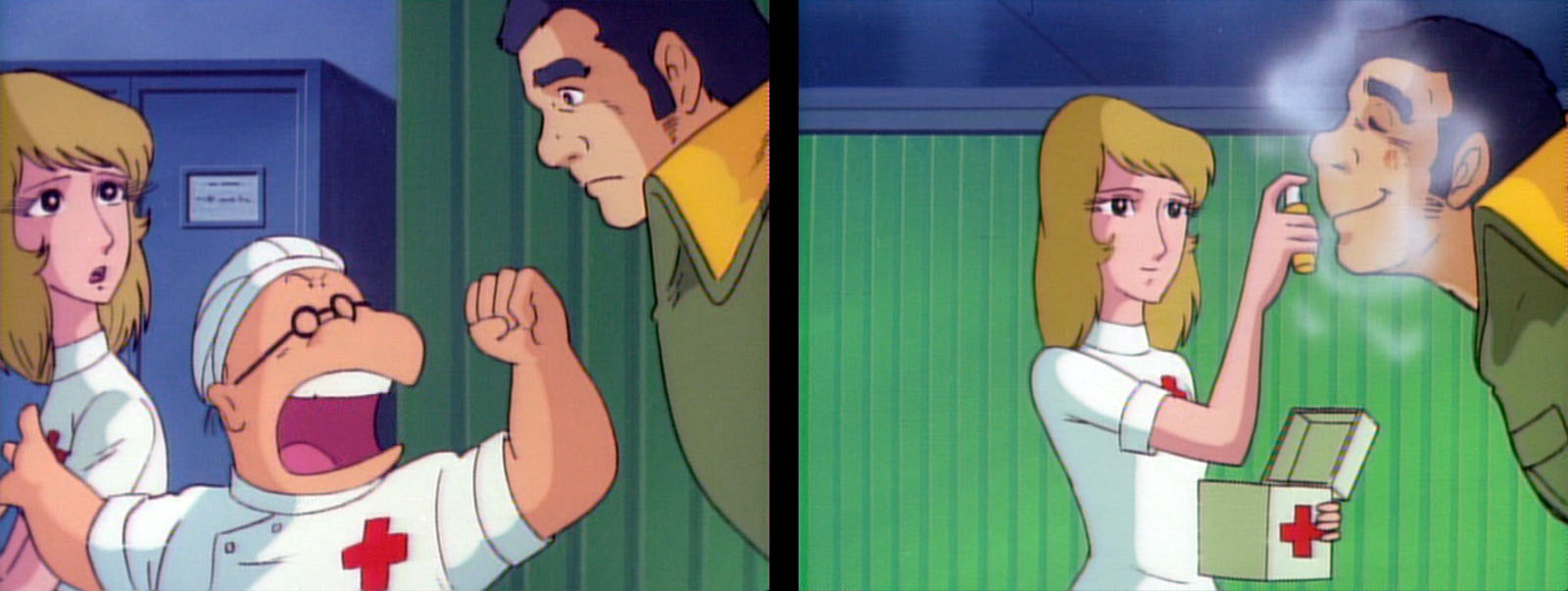
By the time Yamato arrives, the base is on the verge of total destruction. Among those rescued is the commander of the Space Cavalry detachment stationed on Planet 11. Shiro Sanada informs them, “We are taking you aboard Yamato,” to which Saito replies, “Yamato, huh? Not bad. Might as well give it a try.”
In the infirmary, Sado and Yuki Mori are busy treating the wounded. A brief moment of levity breaks the grim atmosphere when Yuki applies “Powerful Ringworm Killer” to one of Saito’s scrapes.
An Unknown Enemy and Dessler’s Composure
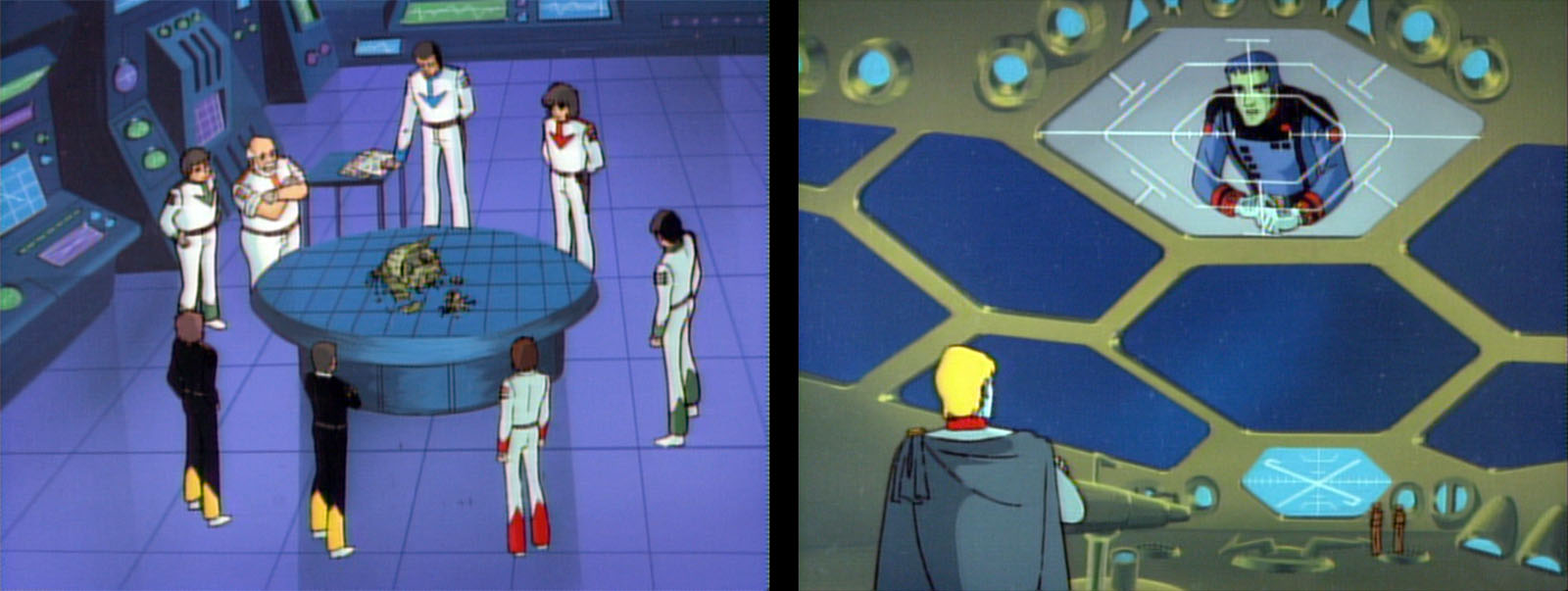
Sanada analyzes the wreckage of an enemy craft recovered by the rescue team. The material detected is an unknown super-alloy, distinct from anything used by either Gamilas or Earth. It becomes clear that the attacker is an entirely unknown enemy.
Meanwhile, Admiral Naksa reports the defeat to Leader Dessler. Unfazed, Dessler replied calmly, “Simply tell the truth, that you were no match for Yamato.” He then whispers, “I shall be waiting for you, Yamato.” The composure of this former adversary, who understands the true threat Yamato poses, adds a new, heightened layer of tension to the battles to come.
Reporting to Commander-in-Chief Todo
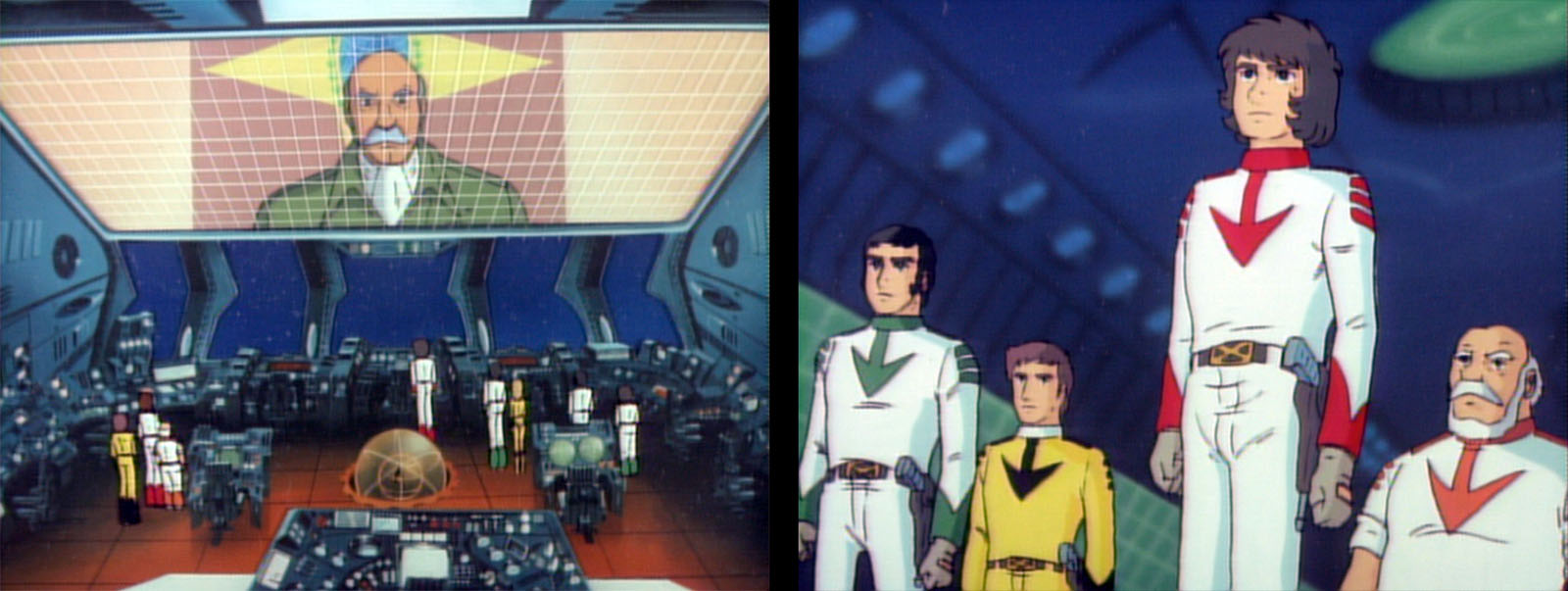
Kodai reports the situation to Commander-in-Chief Todo. The base has been destroyed, with only a little over twenty survivors, Saito and his remaining men. Acknowledging that “your premonitions have, unfortunately, proven correct,” Todo effectively validates Yamato‘s unauthorized actions.
“I will take responsibility for Yamato and for all of you. I’m counting on you.” In this moment, the heart of the Earth Defense Force formally recognizes Yamato as the vanguard of Earth’s defense.
With its Wave-Motion Engine ignited, Yamato sets sail once more into a sea of unknown hardships.
The Terror of a “Compound Accident”: The Destruction of the Planet 11 Base
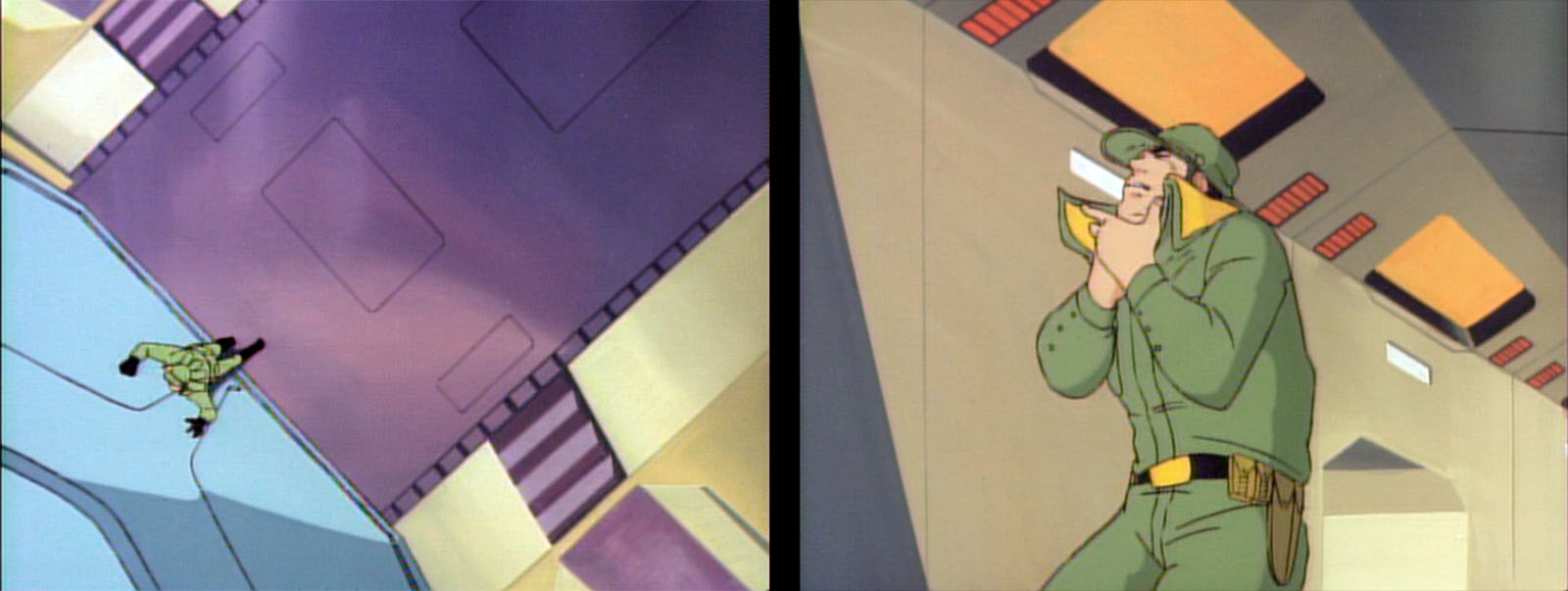
What struck me most, and what I found most unsettling, was that the base’s destruction wasn’t just a matter of a single, massive explosion. Communications are cut off. Oxygen begins to leak. Personnel on the ground are forced to make the agonizing decision of whether or not to seal off specific sections of the facility. This depiction, where systems are lost one by one, felt remarkably realistic.
I should clarify from the outset that I’ve filled in some of the specific details regarding the oxygen leaks and the sealing of sections based on my own memories and professional experience in the field. Speaking from that perspective, in my own line of work, handling LPG, we have strict safety protocols.
If a gas leak is detected, the first step is to shut off the supply, followed by immediate evacuation. But in a real-world scenario, there inevitably comes a moment where shutting off the supply might mean locking out colleagues who could otherwise be saved. It is precisely for those critical moments, where the manual no longer applies, that we undergo training and gain experience.
Take a look at the moment Hajime Saito shouts, “There are still people fighting in one of the blocks!”, preventing the shutter from closing. Following the rules would be the easy path, but doing so would mean abandoning those still out there. Only someone capable of shouldering the weight of such a split-second decision deserves to be called a field commander.
Have you, too, found yourself in similar situations, at work or perhaps within your own family?
The Upgrading of Yamato’s Main Guns and Susumu Kodai’s Inner Conflict
In this episode, Yamato destroys an enemy fleet from a range far exceeding its previous capabilities. According to Shiro Sanada, the main guns’ range was extended during the refit that took place after the ship’s return to Earth. It wasn’t just a simple repair. it was a modification made with an eye toward future conflicts. Yet, Kodai does not take any joy in this newfound power.
“I never wanted a day to come where something like this would be useful.”
I believe this line lies at the very heart of Episode 6. It’s a sentiment I recognize all too well.
Even during morning briefings at facilities handling high-pressure gas, as I read through the inspection checklist, I find myself hoping that none of the issues covered by those items will actually occur today. There is a complex, bittersweet feeling that arises the moment your preparations prove their worth.
Surely, you’ve had experiences where you were glad you’d prepared, yet simultaneously loathed the very circumstances that made such preparation necessary. Becoming stronger is one thing. being forced to become stronger is something else entirely. They may seem similar, but they are worlds apart.
A Fresh Force Named Hajime Saito; What Lies Beneath the Rough Language
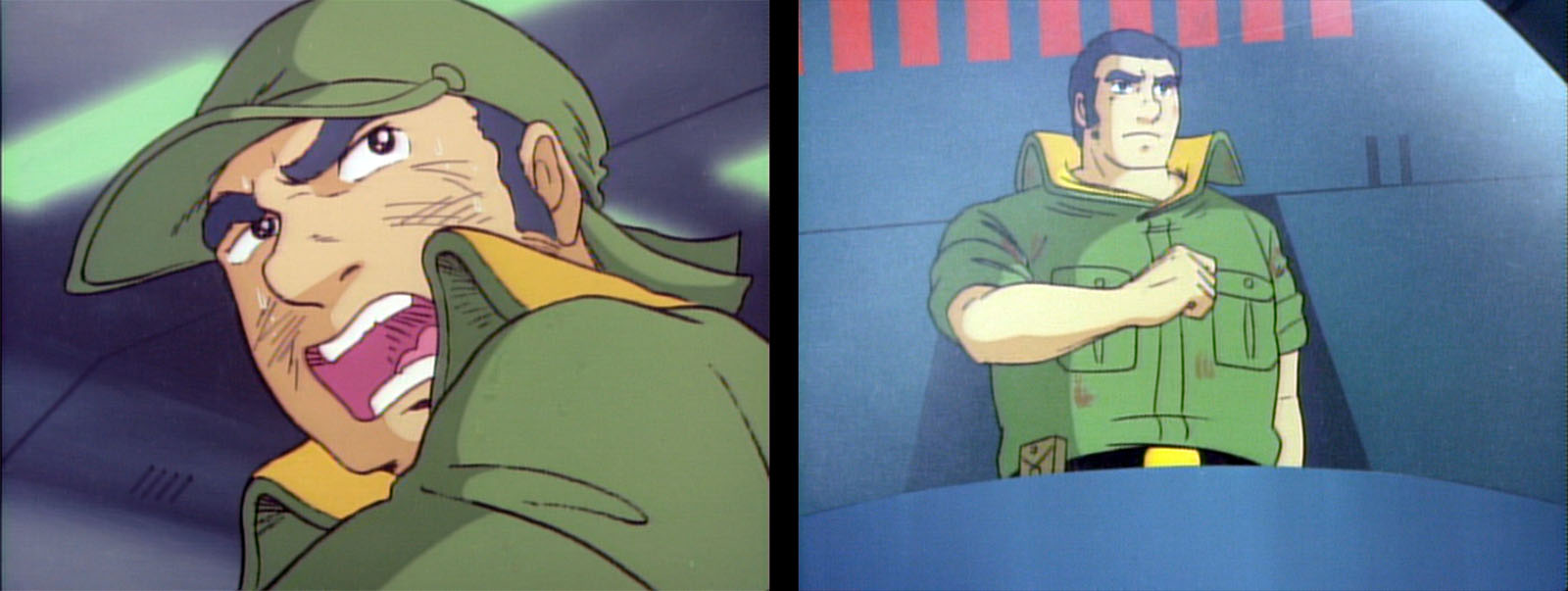
At a damaged frontline base, Hajime Saito, leading his unit, uses harsh, blunt language. Yet, beneath that roughness lies the ability to rally his subordinates and a profound sense of responsibility as a field commander.
Hajime Saito brings a new dynamic. Behind his coarse words, one finds the power to inspire his men to stand tall and the weight of a field commander’s responsibility. Hajime Saito, the captain of the Space Cavalry who joins the crew in this episode, carries an air about him that is distinctly different from the rest of Yamato’s personnel.
His language is rough, and he shows no particular restraint in how he addresses the likes of Sado or Yuki Mori. Yet, observing his actions at the base on Planet 11, it becomes clear that he is a battle-hardened commander, a man who fought to keep a crumbling unit on its feet.
I’ve worked alongside people like that, seniors with sharp, abrasive tongues. And yet, whenever an emergency struck, those were invariably the ones who remained the calmest. They taught me that a gentle demeanor and the ability to be relied upon when things get critical are two entirely different things.
The senior who shouts the loudest during the morning briefing is often the very person who, the night before, pored over the daily work logs with the greatest care. When Hajime Saito barks, “Don’t you dare lose your nerve!”, it’s the same kind of thing. Beneath that rough exterior lies a calculated intent: to ensure his subordinates keep moving, right to the very end.
Is there someone in your own workplace who, despite having a sharp tongue, is the first to step up when things get critical? Hajime Saito is that kind of man, and he brings a new, palpable tension to Yamato crew.
Differing Perspectives on Yamato: Dessler vs. Naska
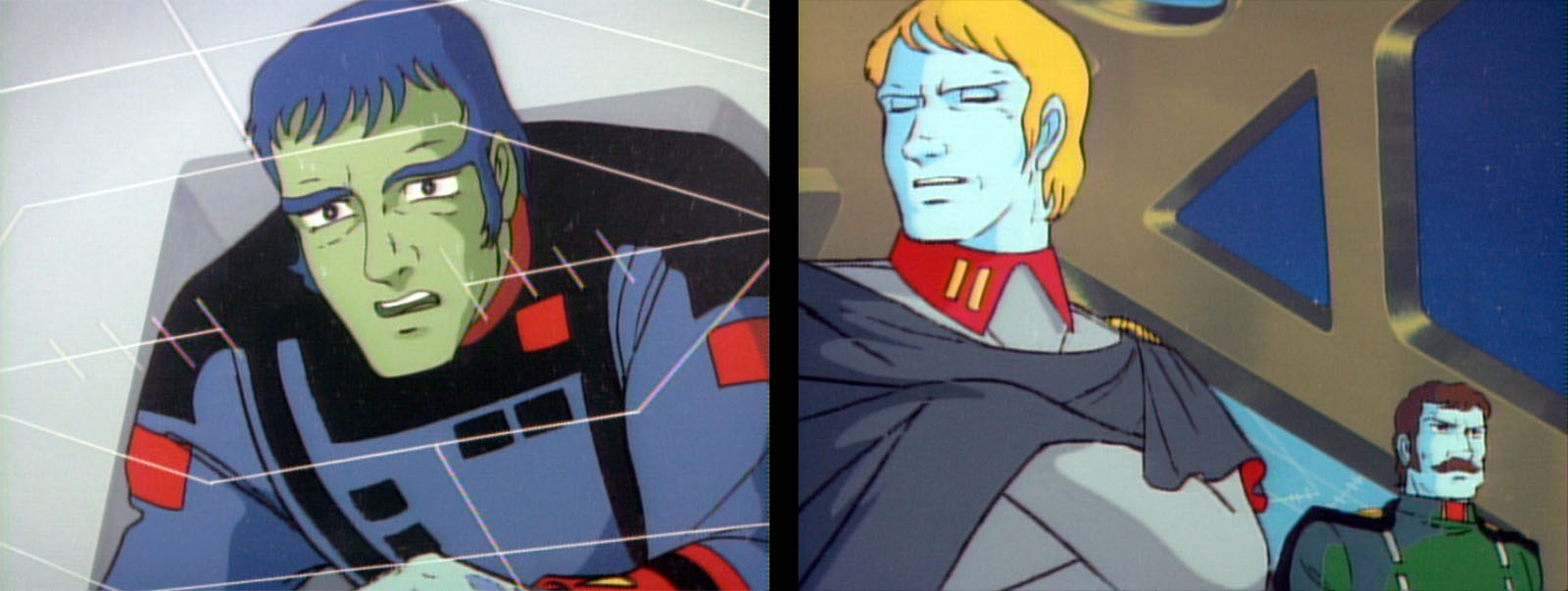
In this episode, the forces under Naska’s command learn the true extent of Yamato’s capabilities for the first time. Dessler, meanwhile, remains unfazed upon receiving the report. He is already fully aware of just how dangerous Yamato is.
The new enemy underestimates Yamato, but their old nemesis, the one with a long, complicated history, does not. This disparity in perspective creates a dual layer of tension for the story: an unknown threat lies ahead, while a familiar, seasoned enemy lurks elsewhere. There is no room to let one’s guard down against either.
In practical, real-world terms, it is akin to operating a facility where a newcomer, unaware of the inherent dangers, works alongside a veteran who knows exactly where the true risks lie. Unless you keep a close watch on both, you cannot prevent an accident.
The Paradox of “Winning, Yet Failing to Save”
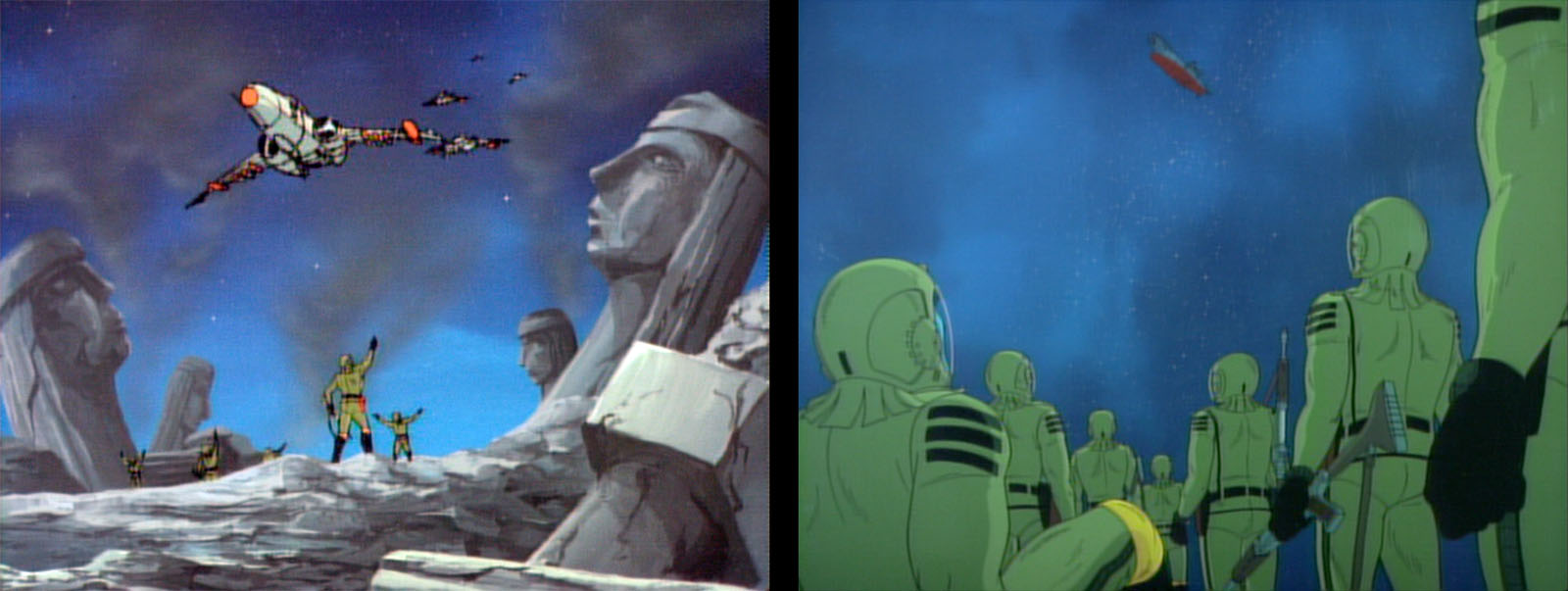
Yamato defeats the enemy fleet and succeeds in rescuing Hajime Saito and his team. Yet, it cannot save the base on Planet 11 itself. They won the battle, but arrived too late for the rescue mission.
This dual outcome leaves a heavy, lingering impression after Episode 6, which is precisely why it cannot be dismissed as a simple, exhilarating victory. The depiction of the ancient ruins left behind at the base also resonates with this paradox. A once-flourishing civilization perished. humanity built a base upon its remains, and now that base, too, is being destroyed. Faced with the vast span of cosmic time, how trivial the very concept of “victory” or “defeat” truly is, this iteration of Yamato shows us exactly that.
Summary
Episode 6 marks a turning point: Yamato shifts from a “suspected vessel” to one that earns recognition.
The base on Planet 11 could not be saved. Only about two dozen people, including Hajime Saito and his team, were rescued. Yet, this mission, which feels more like a defeat, changes Yamato’s standing. A ship that had once defied orders to set sail is now recognized as the vessel that confronted the crisis facing Earth on the very front lines.
They may have “won,” but they could not save everyone. That is the bitter aftertaste of Episode 6.
Postscript
Before I knew it, the night had grown deep. Outside the screen door, the sounds of insects have thinned. I am typing this in the kitchen, where the only other sound is the steady, rhythmic breathing of my mother as she sleeps.
In my 32 years of work, I’ve learned that what we fear most on the job isn’t the explosion itself, it’s the moment when communications, oxygen, and the chain of command are “quietly” stripped away. That base in Episode 6? That was exactly what that looks like.
You, too, had your own “post” to hold today. You held it well. Have a glass of barley tea, and get some good rest tonight.

An Old Man’s Musings
Back when I worked with high-pressure gases, every day began with a morning briefing. After the radio calisthenics, the team leader would read aloud the previous day’s work log and go through the day’s inspection checklist, item by item. Even the younger crew members, who had looked sleepy just moments before, would straighten their posture. I still believe that those 15 minutes held the key to the accident rate for the entire day.
The fact that Hajime Saito, at the Planet 11 base, kept his subordinates at their posts until the very end was likely an extension of that “discipline of never leaving one’s post”, a habit cultivated during those morning briefings.
Communications cut out. Oxygen begins to leak. The chain of command collapses. Any one of these might not be fatal on its own, but when they pile up, they exceed the limit of what can be endured. The personnel on the front lines surely possessed a stubborn resolve, a determination to push that breaking point just a little bit further away.
For 32 years, I, too, would say, “Stay safe today,” at our morning briefings. That phrase was more than just a simple rallying cry. it was a reminder to the entire team: “Let’s keep a sharp eye out today for any deterioration that might be happening out of sight.”
Did you say “stay safe” to yourself this morning? Whether it’s for your own well-being or for the sake of someone dear to you, it doesn’t matter. Did you manage to carry out your own “morning briefing” today?