
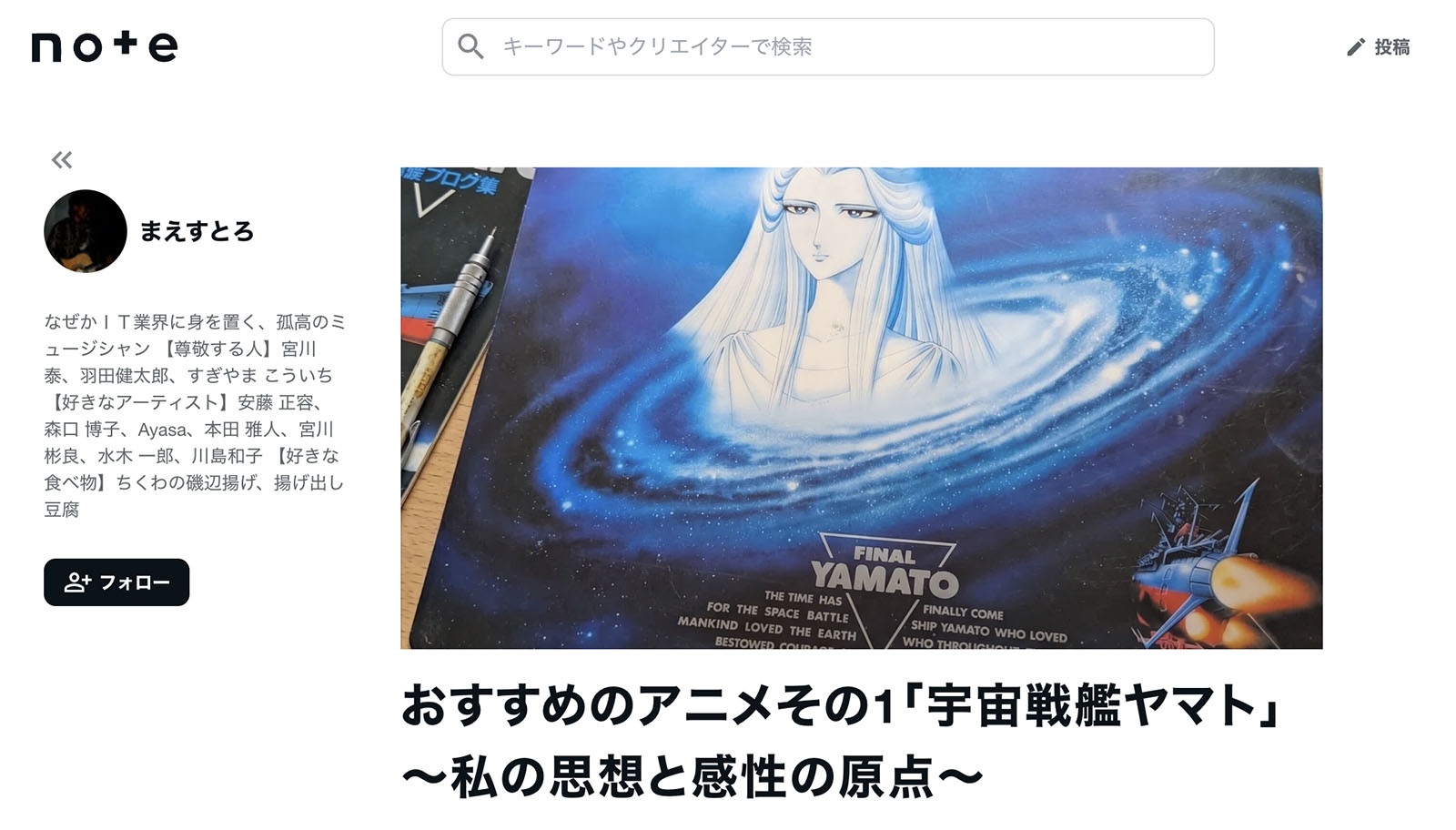
Recommended Anime #1: “Space Battleship Yamato” — The Origin of My Philosophy and Sensibilities
Published at NOTE blog, September 25, 2026. See the original post here
by Maestro
A solitary musician who, for some reason, finds himself in the IT industry. People I respect: Hiroshi Miyagawa, Kentaro Haneda, Koichi Sugiyama. Favorite artists: Masahiro Ando, Hiroko Moriguchi, Ayasa, Masato Honda, Akira Miyagawa, Ichiro Mizuki, Kazuko Kawashima. Favorite foods: Chikuwa (fish cake) fried in seaweed batter (isobe-age), agedashi-dofu (deep-fried tofu).
If you were thinking, “Wait, isn’t this supposed to be about Mobile Suit Gundam?” rest assured I will definitely cover that in “Part 2.” However, I simply have to start with this series. It is no exaggeration to say that the origins of my own philosophy lie in Space Battleship Yamato.
In this piece, I will focus on the early works, including the “golden age” of the theatrical films. I have excluded the “remake” series and Resurrection simply because they were not part of my original, real-time childhood experience (though, for the record, I have watched every single one of them).
Looking back as an adult, I realize just how profound an influence this series has had on me. In this article, I’d like to explore the appeal of Yamato through three specific perspectives that helped shape who I am today.
Hiroshi Miyagawa and Kentaro Haneda: The Scores That Awakened My Passion for Music
You cannot talk about Yamato without discussing its music. The grand, soul-stirring orchestrations created by Hiroshi Miyagawa were the primary catalyst for my awakening to “the power of music.”
In the series’ culmination, Final Yamato, Kentaro Haneda joined the team as a composer and arranger, adding a new layer of classical, symphonic depth. Between the universal motifs crafted by Miyagawa and the rich, dramatic resonance brought by Haneda, Yamato introduced me to these two men, both of whom I still hold in the highest regard today.
The Enemy Has Its Own Sense of Justice: The Nature of Peace as Posed by the Planet Shalbart
While the story centers on Yamato from Earth, the opposing forces, Leader Dessler of the Gamilas Empire, the White Comet Empire, the Bolar Federation, and the Dingil Empire, each possess their own distinct history, a population they are responsible for, and their own unique convictions.
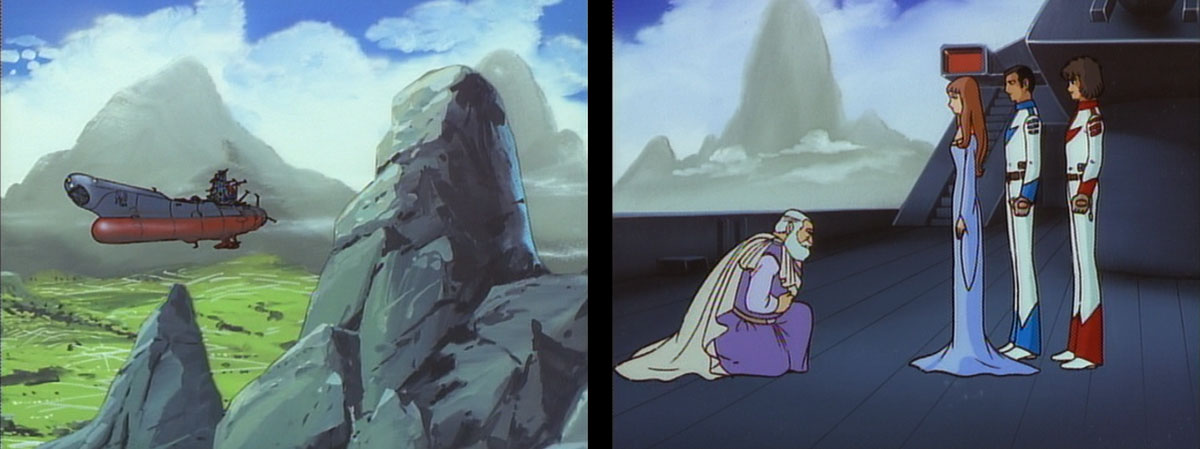
Rather than a simple, binary “good versus evil” narrative, the extreme circumstances of war forced me, even as a child, to contemplate deeply what “peace” truly means. Among these, the “Planet Shalbart,” which appears in Yamato III, left a particularly profound impression on me.
Though they once ruled the cosmos through overwhelming military might, the people of Shalbart, even when faced with an invasion by the Bolar Federation, refuse to take up arms, choosing instead to simply continue praying for peace. There is both a precariousness and a nobility in this “absolute pacifism” that rejects all military force.
The way of life on Planet Shalbart resonates with the path Japan has taken in the postwar era. Even now, as an adult, it serves as a catalyst for deep reflection on how “true peace” ought to be protected.
The “Mature Beauty” Infused with Melancholy and Elegance in Leiji Matsumoto’s Work
Furthermore, one cannot overlook the presence of the female characters brought to life by Leiji Matsumoto; standout characters such as Starsha, Teresa, and Aquarius—not to mention Maetel and Emeraldas, who have become iconic symbols of the “Matsumoto World.”
Distinct from the exaggerated, large-eyed, and hyper-proportioned character designs often seen in contemporary anime, these characters are defined by slender, flowing lines and a gaze that carries a subtle, lingering melancholy. The “dignity and beauty of a mature woman” embodied in them possesses a unique, timeless charm that transcends generations.
With its profound music, multifaceted exploration of peace, and the crystallized beauty envisioned by Leiji Matsumoto, this rich, immersive world I encountered in my youth truly laid the foundation for who I am today.
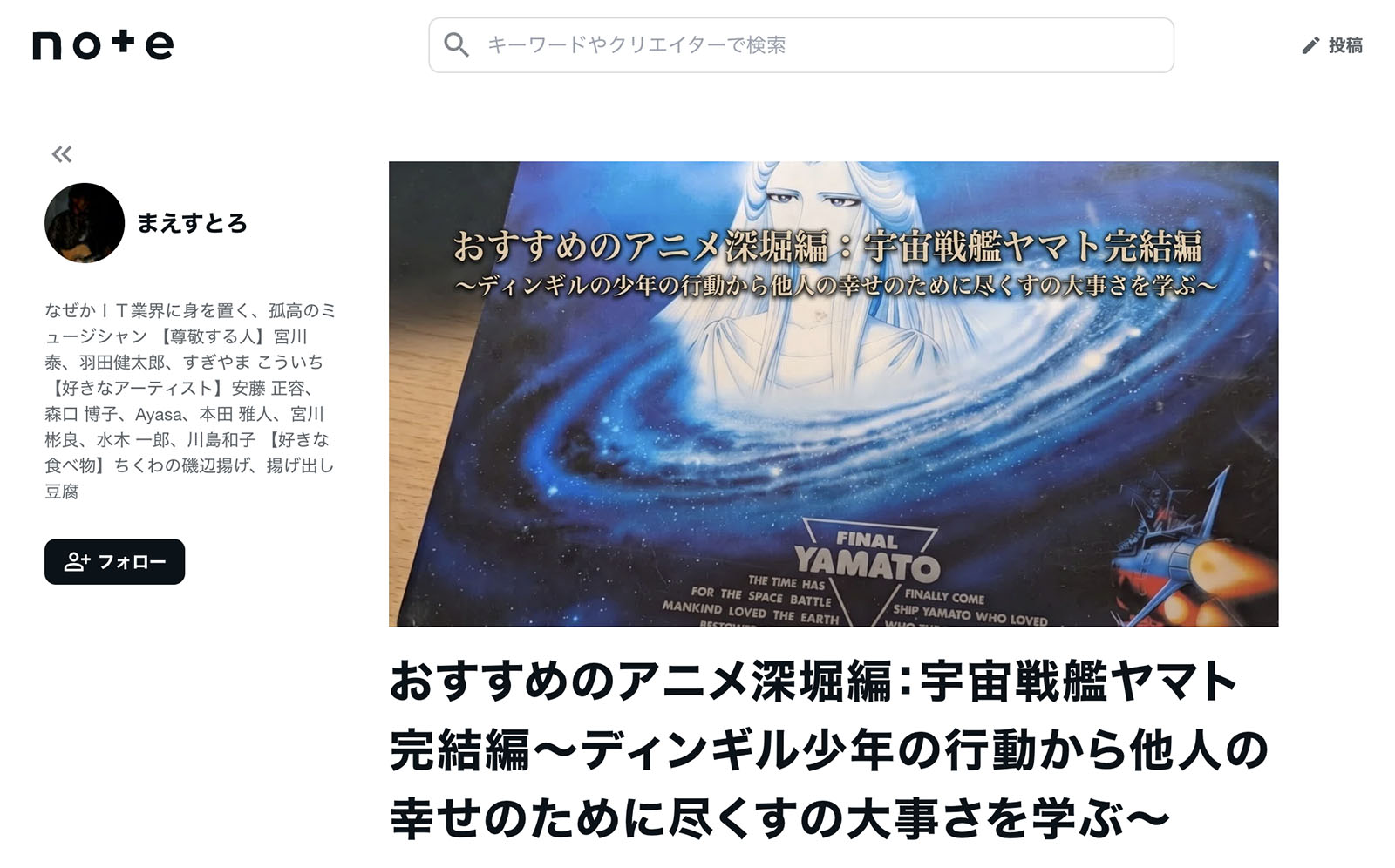
Deep Dive into Recommended Anime: Space Battleship Yamato, The Final Chapter
Learning the importance of dedicating oneself to the happiness of others through the actions of a young boy from Dengil
Published at NOTE blog, October 13, 2026. See the original post here
When you revisit an anime you were obsessed with as a child, you may find that it looks completely different through the eyes of an adult.
Space Battleship Yamato, The Final Chapter (released in 1983) is one such work. Back then, I was captivated by the flashy space battles and the dramatic, heroic self-sacrifice amidst desperate circumstances. Looking back at it now, however, I realize that a profound and universal theme runs beneath the surface of this story. In this piece, I would like to delve into the core theme of the work, the importance of dedicating oneself to the happiness of others, by examining the exchange between a “Dengil boy” and the heroine, Yuki Mori, against the backdrop of historical parallels to the Second World War.
The Dengil Boy’s Question and Yuki Mori’s Answer
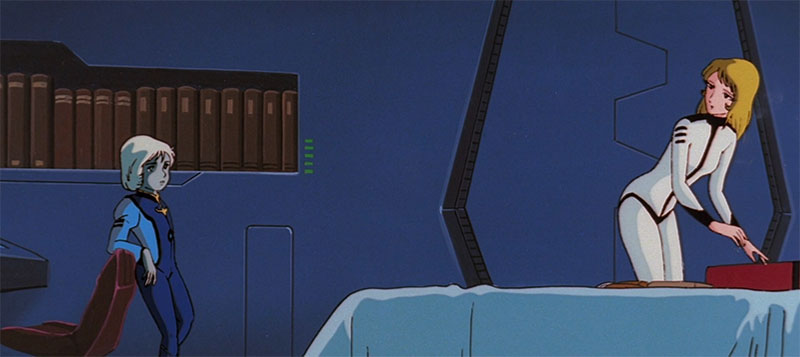
Within the story, there appears a boy bound by the cold, uncompromising logic of the Dengil Empire, the very force driving Earth to the brink of destruction. (He is never given a specific name, referred to simply as the “Dengil boy.”)
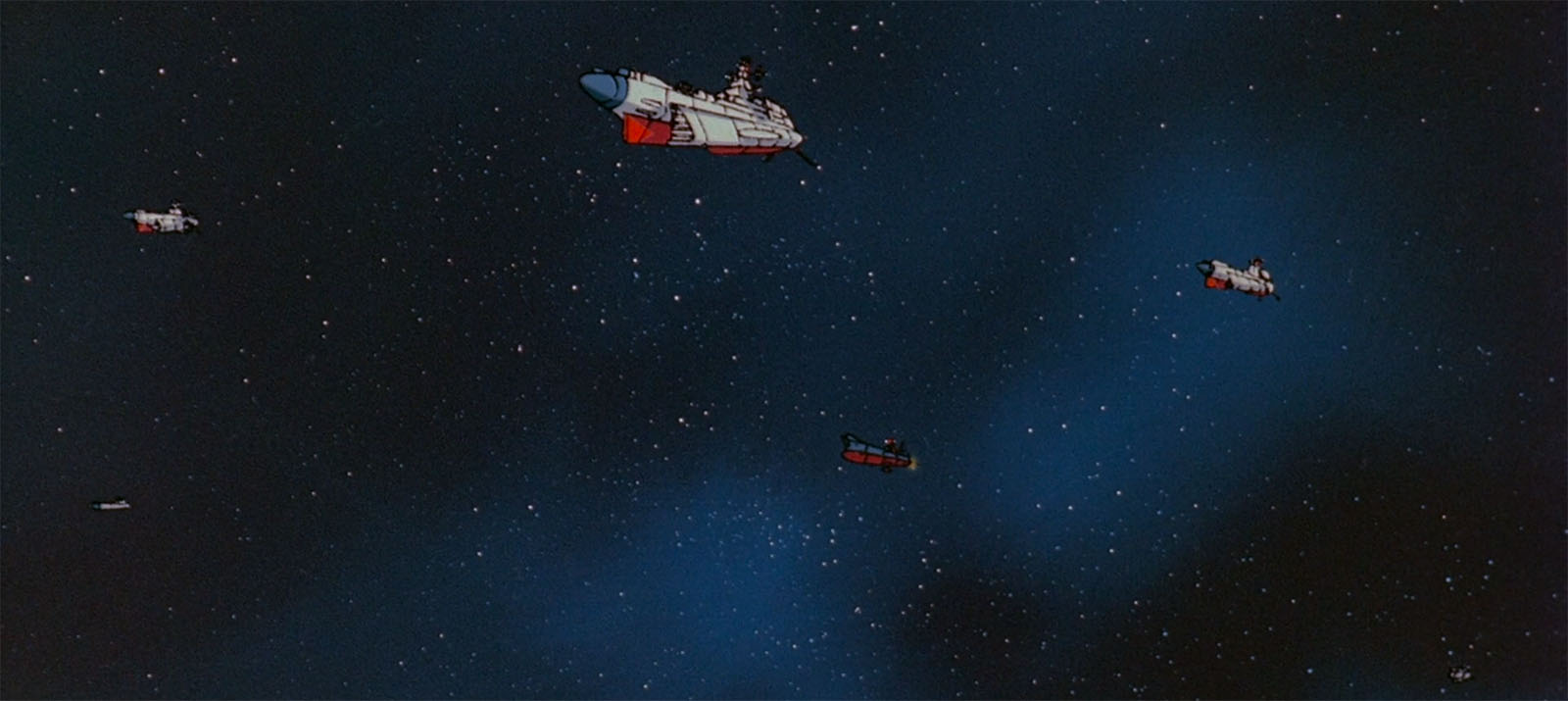
As Yamato and its remaining fleet engage in a desperate battle against the Dengil forces, the Earth Defense Force destroyers Yukikaze, Isokaze, and Suzukaze sacrifice themselves, acting as a shield to protect Yamato from a barrage of hyper-radiation missiles. Witnessing this harrowing scene, the boy asks Yuki Mori:
“Why do Earthlings die for the sake of others?”
To this, Yuki replies quietly:
“On Earth, dedicating oneself to the happiness of others is considered the most important thing of all.”
For a boy raised under the ideology of the planet Dengil, a society built on total control, domination, and the trampling of others, the act of “risking one’s life for the sake of another, without orders or any expectation of reward” was a shock that defied his entire understanding of the world.
Looking back as an adult, I am struck by the realization that this very interaction encapsulates the core message that The Final Chapter sought to convey.
The Historical Weight Behind the Destroyers Yukikaze, Isokaze, and Suzukaze
Behind this poignant scene lies the creators’ profound respect for history.
The names of the eight destroyers that depart from the lunar base, Yukikaze, Isokaze, Suzukaze, Asashimo, Hatsushimo, Kasumi, Hamakaze, and Fuyutsuki, along with the sequence in which they serve as shields for Yamato before meeting their end, mirror the final moments of the battleship Yamato during World War II (the Battle of the East China Sea/Battle of Cape Bonomisaki).
In that historical engagement, the destroyers of the Second Destroyer Squadron, tasked with escorting Yamato toward Okinawa, perished under fierce assault. Fuyutsuki was the last one remaining and was instrumental in rescuing survivors. Similarly, in The Final Chapter, as the other vessels are destroyed while acting as shields, only Fuyutsuki remains. It takes on the surviving crew, save for Captain Okita, and bears witness to the final moments of Yamato.
This is not merely a battle between science-fiction machines. The tragedy from Japan’s wartime history, and the memory of men who sacrificed their lives to protect their fellow ships, is layered onto this grand, interstellar voyage. It is precisely this connection that gives the opening sequence its profound, heart-wrenching poignancy.
A Boy’s Proactive Choice: “What Can I Do, Despite My Own Weakness?”
Initially, the boy from the Dengil Empire questions why anyone would sacrifice their life for others. However, through his interactions with the people of Earth, and the words of a girl named Yuki, he comes to understand the true meaning of such an act.
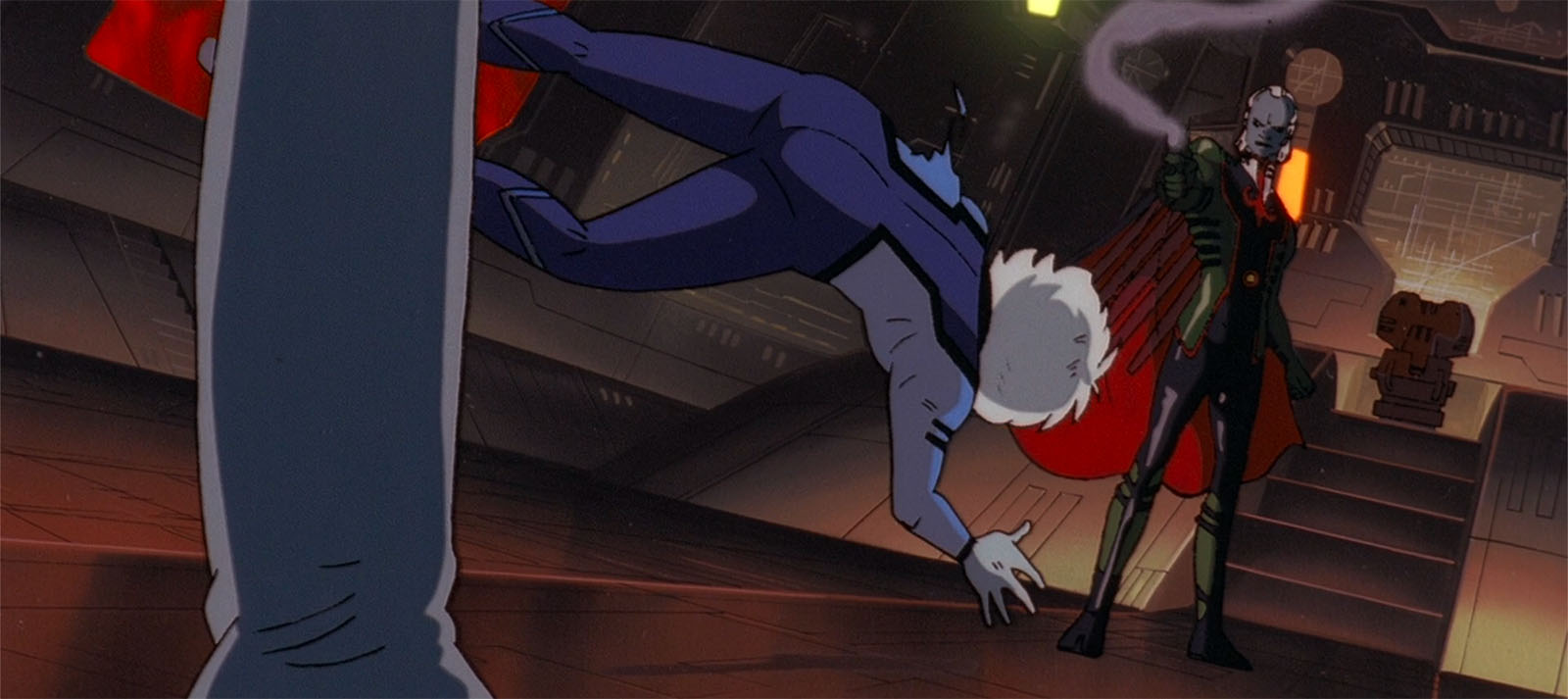
In the final act of the story, the boy shields Susumu Kodai, his supposed enemy, from gunfire unleashed by his own father, Supreme Leader Lugal, and loses his life in the process.
As a child, I saw this only as a “tragic self-sacrifice.” Yet, when viewed through the lens of the question, “Yamato and Kodai represent the hope for Earth’s future, they must not be lost. what can I, in my own limited capacity, do to prevent that?” it becomes clear that this was not merely an impulsive act. It was a deliberate choice, a decision made by the boy himself to dedicate his life to the well-being of others.
By breaking free from the cold, ruthless logic of his empire and embracing the “heart of Earth” before his passing, the boy’s final moments offer a profound sense of redemption and hope for the future.
Conclusion: What We Should Carry Forward
The Final Chapter conveys more than just the romantic, sci-fi thrill of confronting an overwhelming threat.
“Devoting oneself to the happiness of others is the most important thing of all.”
This simple truth, so easily forgotten in the frantic pace of our daily lives, is demonstrated to us through the actions of the crew, Captain Okita, and the boy from the Dengil Empire.
No matter how much technology or the era may change, the nobility of living for the sake of others, of passing the baton toward the future, remains constant. It is well worth revisiting this classic, now with a deeper appreciation for the profound message that may have eluded us in our youth.