
Posts from the show’s Twitter feed, September 5
Sunday’s Post broadcasts Sundays from 3:00PM to 3:50PM from TOKYO FM across the JFN network of 38 stations nationwide. A program that takes you on a journey across Japan through sound and letters. Hosted by Kundo Koyama and Natsumi Uga.
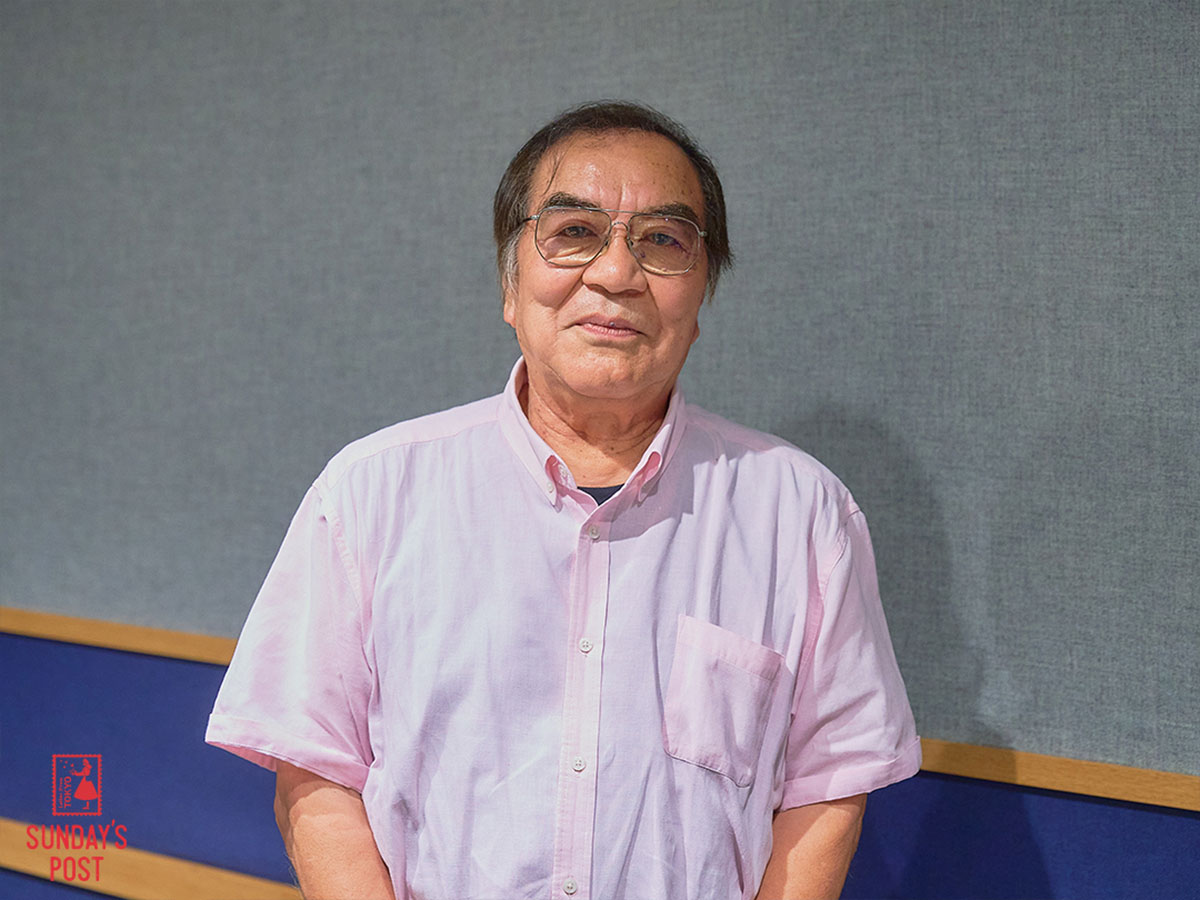
Today’s studio session kicked off with a conversation about the anime series we were obsessed with as kids.
Kundo mentioned Space Battleship Yamato, Moomin, and Heidi, Girl of the Alps. Uga mentioned Sailor Moon, Hime-chan’s Ribbon, and Akazukin Chacha. Saying things like “I don’t know that one,” “I don’t know that either,” and “I have absolutely no idea.”
And now, we welcome today’s guest: animator Takeshi Shirato, who has worked on numerous landmark titles in anime history, including Devilman, Space Battleship Yamato, and Kinnikuman.
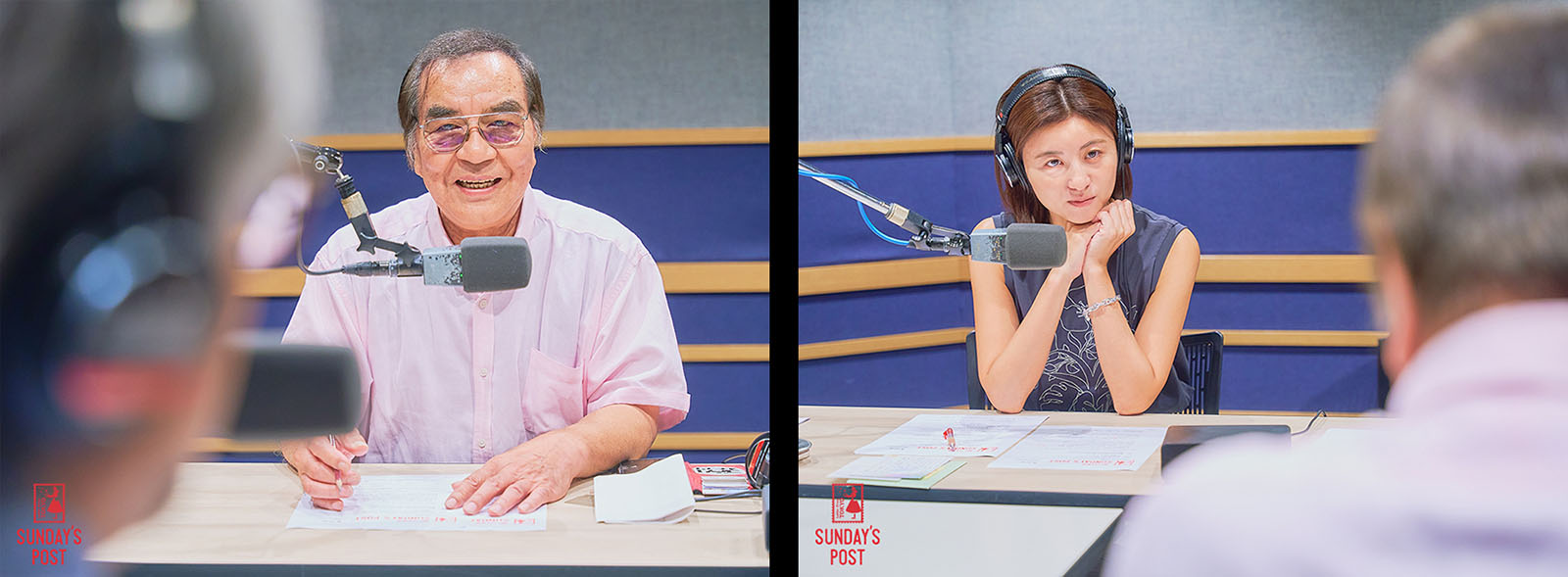
Takeshi Shirato is an animator, director, and animation director. He has contributed to iconic works in the history of Japanese animation, such as Tiger Mask, Devilman, Space Battleship Yamato, Seton Animal Chronicles, Ikkyu, and Kinnikuman, taking on roles ranging from animation director and episode director to character designer.
With a career spanning 54 or 55 years, he is set to turn 80 next year.
“Since you worked on Tiger Mask, may I ask how old you are now?”
“Next year, I’ll be turning 80.”
“You look so young.” “You certainly don’t look your age.”
He is currently dedicating his efforts to teaching animation production to children in Okinawa.
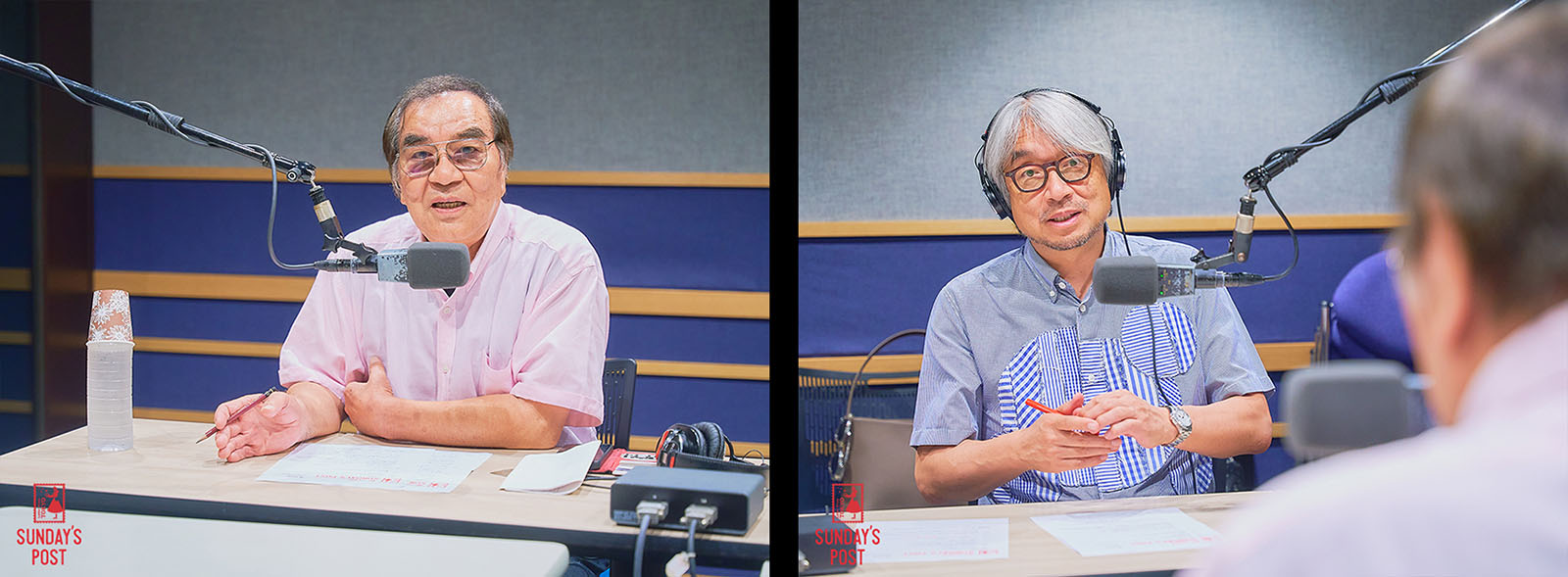
Behind the scenes of Space Battleship Yamato.
“We had planned to return after about 50 episodes, but we ran out of money halfway through, so we considered wrapping it up at 24. That’s why, in a rush, we had them quickly acquire the radiation removal device in the final two or three episodes so we could make it back.”
“So, it came down to those kinds of circumstances,” remarked Kundo.
In anime production, the “storyboard” serves as the blueprint and foundation for everything. If that falls apart, the entire project collapses. “You’re the cinematographer, the director, the actor, and the art director all at once. You’re essentially doing the work of three or more people yourself, aren’t you?”
“Setting the scenes, too, everything. Drawing it all to match the theme is incredibly challenging, but also fascinating.”
Storyboard creation, a task Shirato describes as the “hardest job for an animator.”
You can really feel the weight of that responsibility.
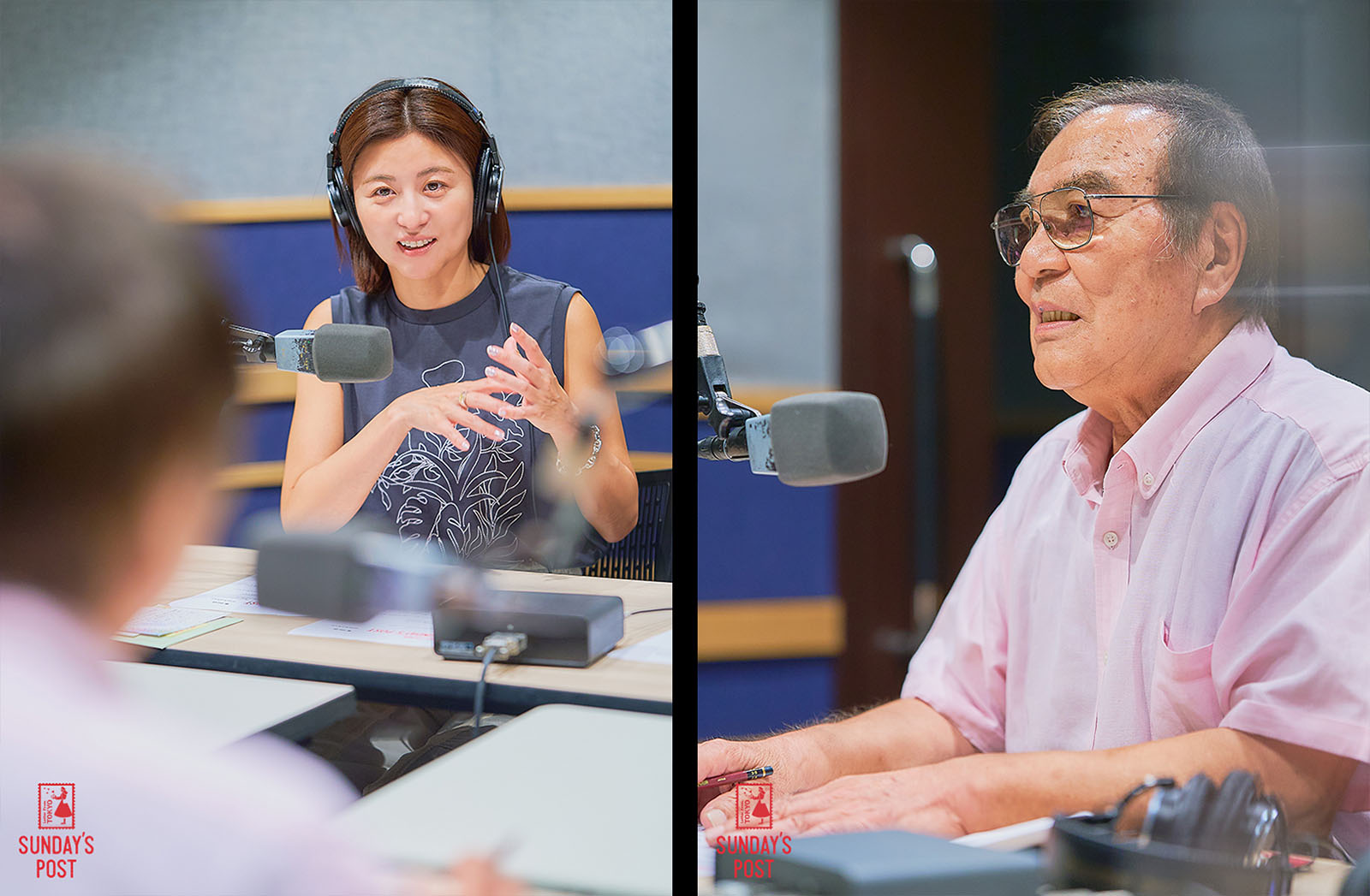
Why is Japanese anime loved around the world?
“Whether it’s Tiger Mask or Devilman, there’s always a touch of that uniquely Japanese wabi-sabi aesthetic woven in somewhere.”
In the past, that sensibility was hard to convey to the rest of the world. But as more people traveled to Japan and experienced firsthand that sense of, say, unexpected loyalty or kindness in surprising situations, the appeal of Japanese anime gradually spread globally.
“I’ve sensed it in every country I’ve visited over the last few years. That aspect really resonates with the world.”
There is real weight to the words of someone who has been drawing for over half a century.
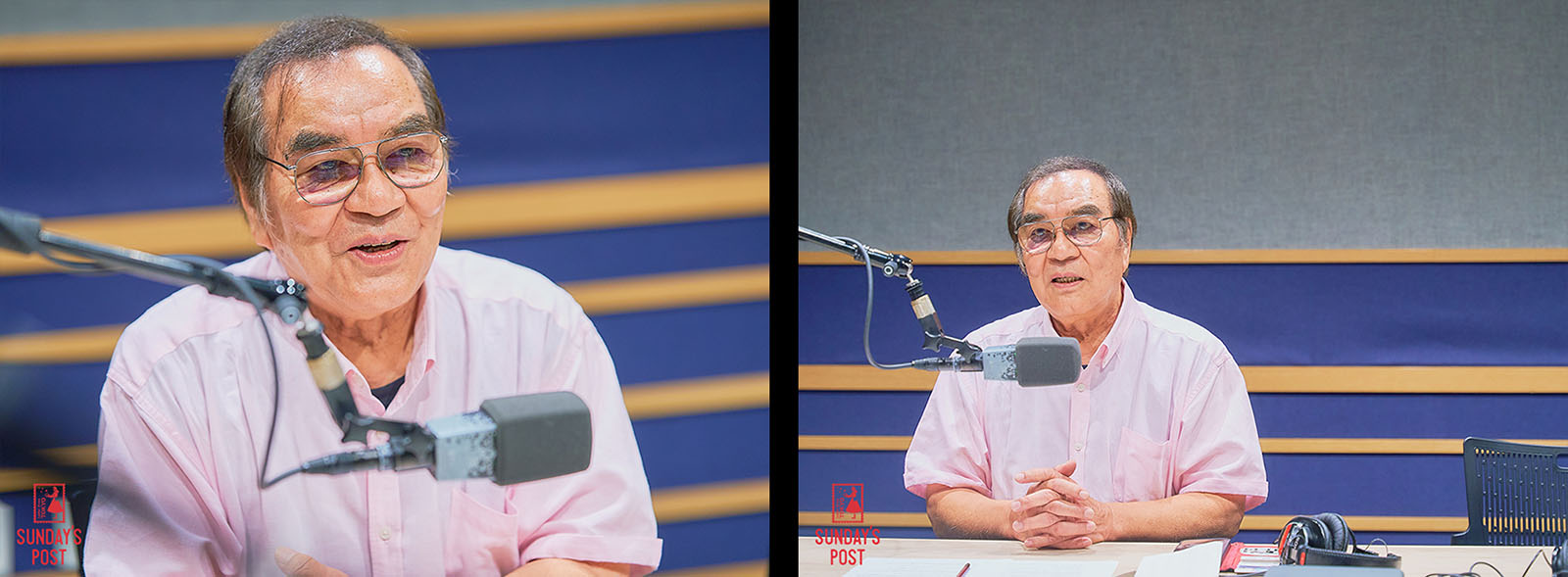
Working with children in Okinawa to create an anime about Shuri Castle.
Shuri Castle is set to reopen on November 23rd of this year following its reconstruction. Shirato is collaborating with Okinawan children to produce a short animated film titled Saion to celebrate this restoration.
The children are taking the lead on everything, from character design and drawing to coloring and even voice recording.
On Tokashiki Island, grandmothers with an average age of 95 or 96 are coloring the background skies and sunsets.
Apparently, once they were taught the technique of using their fingers to blend oil pastels, they became completely engrossed in the process.
It is scheduled for completion on September 27th. A screening event will be held at the Shuri Castle Review Hall.
“Let’s meet at the Shuri Castle screening on September 27th. I’m really looking forward to seeing everyone there.”
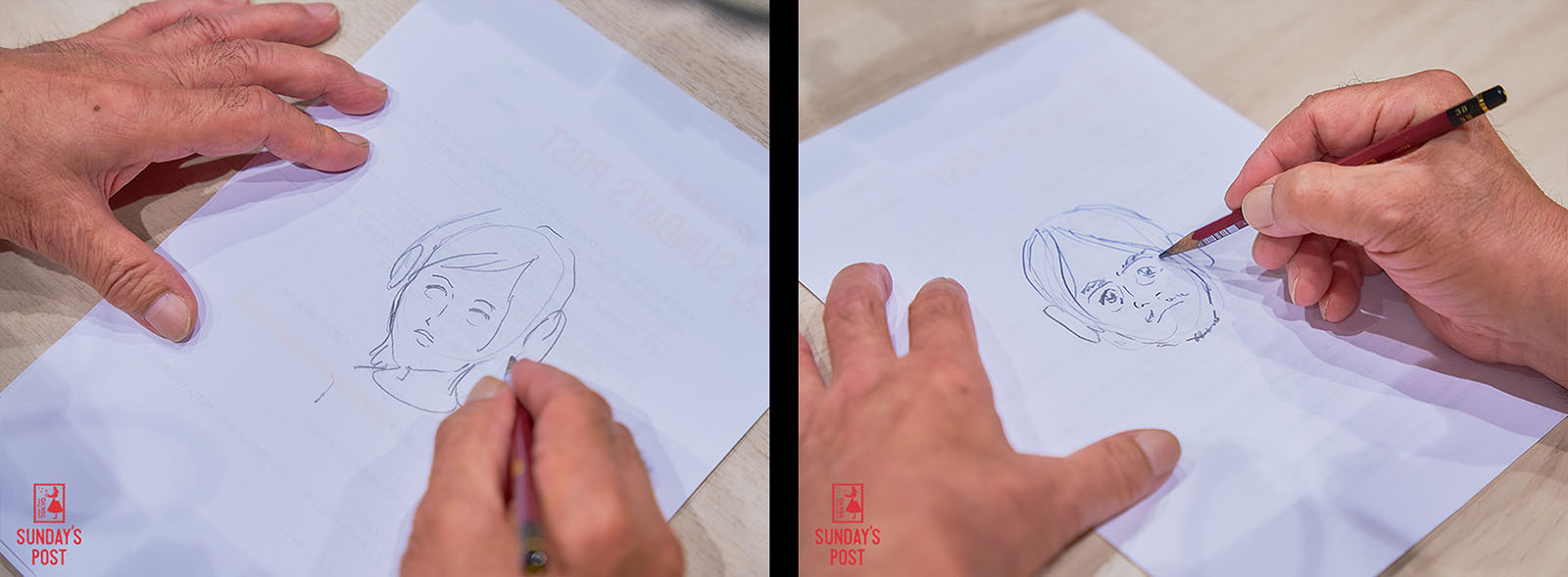
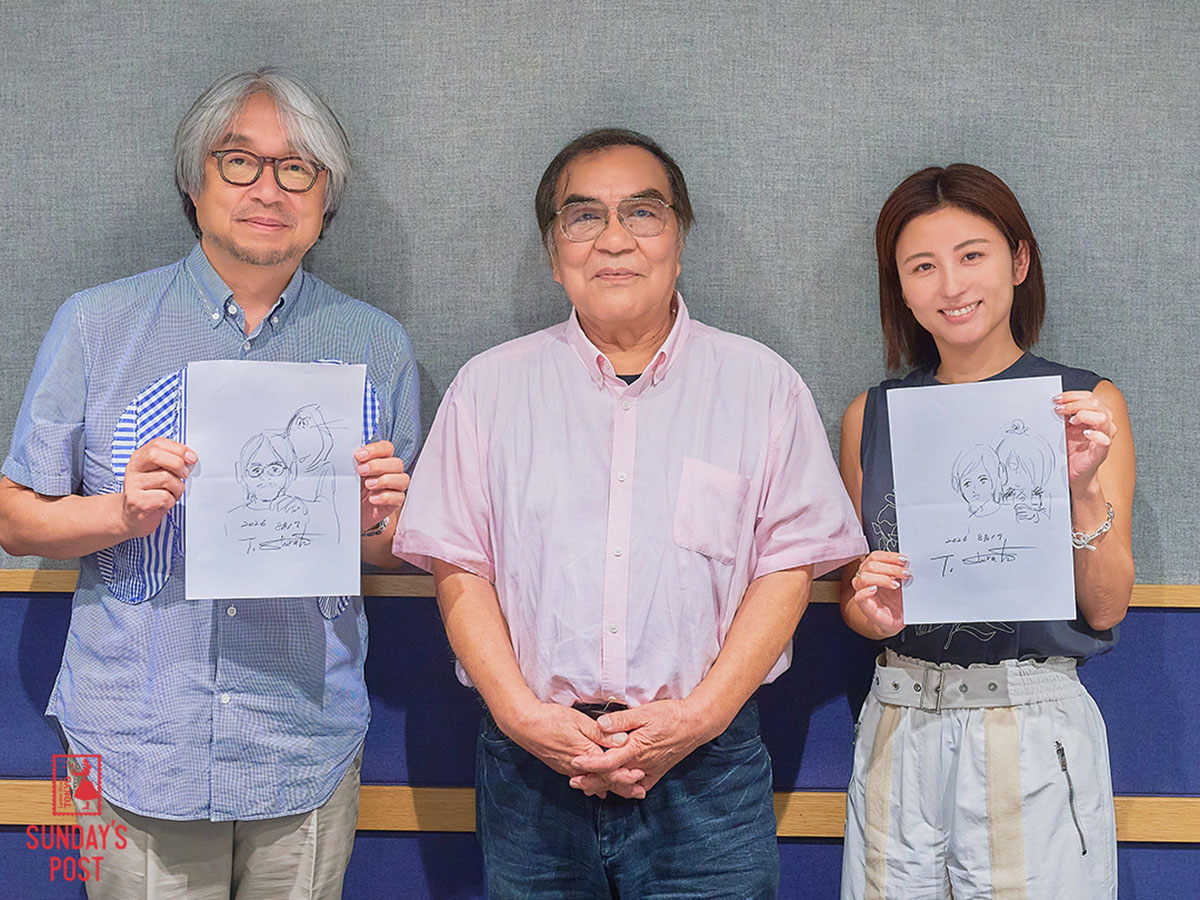
We had a caricature of Natsumi Uga drawn right there in the studio.
From the outline to the eyes, eyebrows, nose, and mouth…it was finished in the blink of an eye.
Kundo: “Amazing! It looks like it’s about to start moving.”
Uga: “I love it. I want to put it in a frame, may I take it home?”
Shirato laughed and said, “It’s just a doodle,” but the speed and precision of his work electrified the studio.
“I feel like the protagonist of an anime.”
“Uga, you look like you could go to space. Like a professor, a real professor.”
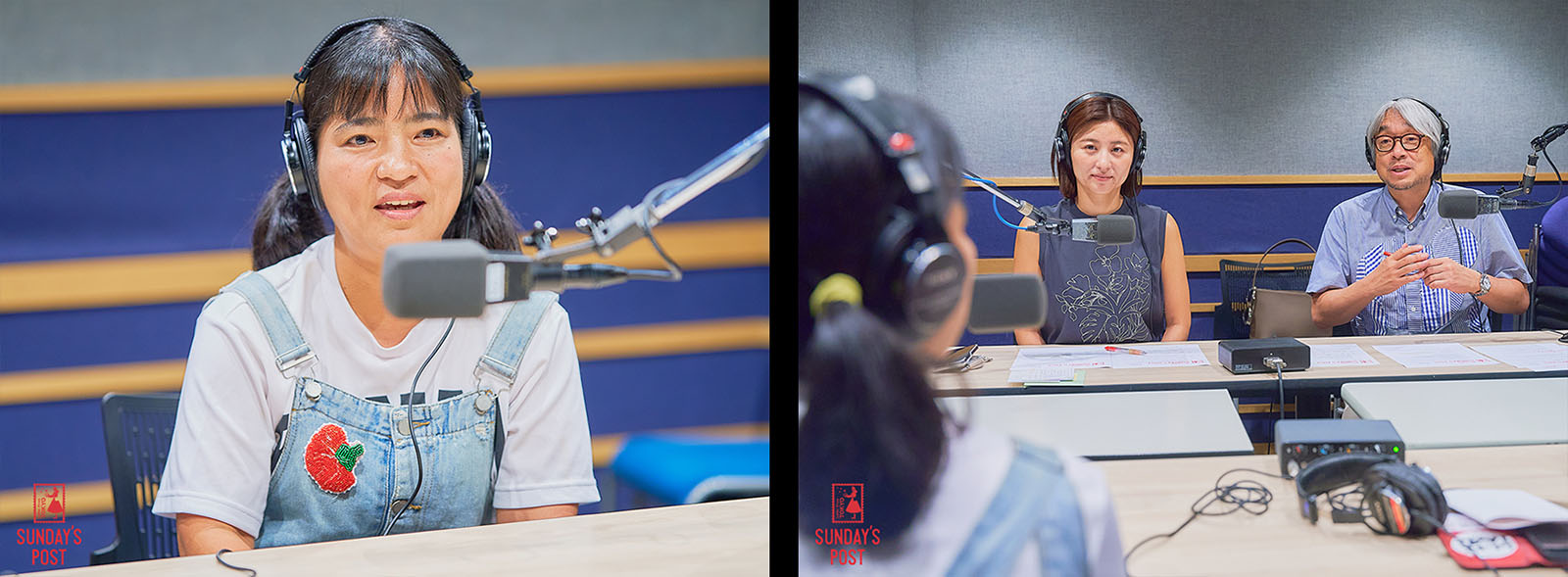
He believes that animators are, in essence, actors.
“People tend to categorize animators simply as ‘people who draw,’ but a storyboard might only say, ‘Turn right, look down, and cry.’ Why are they crying? Are they looking up or looking down while they cry? You have to pour your heart into the drawing to capture that.”
“That’s why being good at drawing isn’t enough. When someone who understands acting draws, the image truly comes to life. The people who possess both skills are the ones who become true animators.”
His words carry the weight of 54 years of experience in the field.
Kundo: “A newcomer at eighty, a ‘major’ new talent. I have a feeling it would actually work out well (for an actor).”
Shirato: “It’s easy to say, but… that’s an incredible idea!”
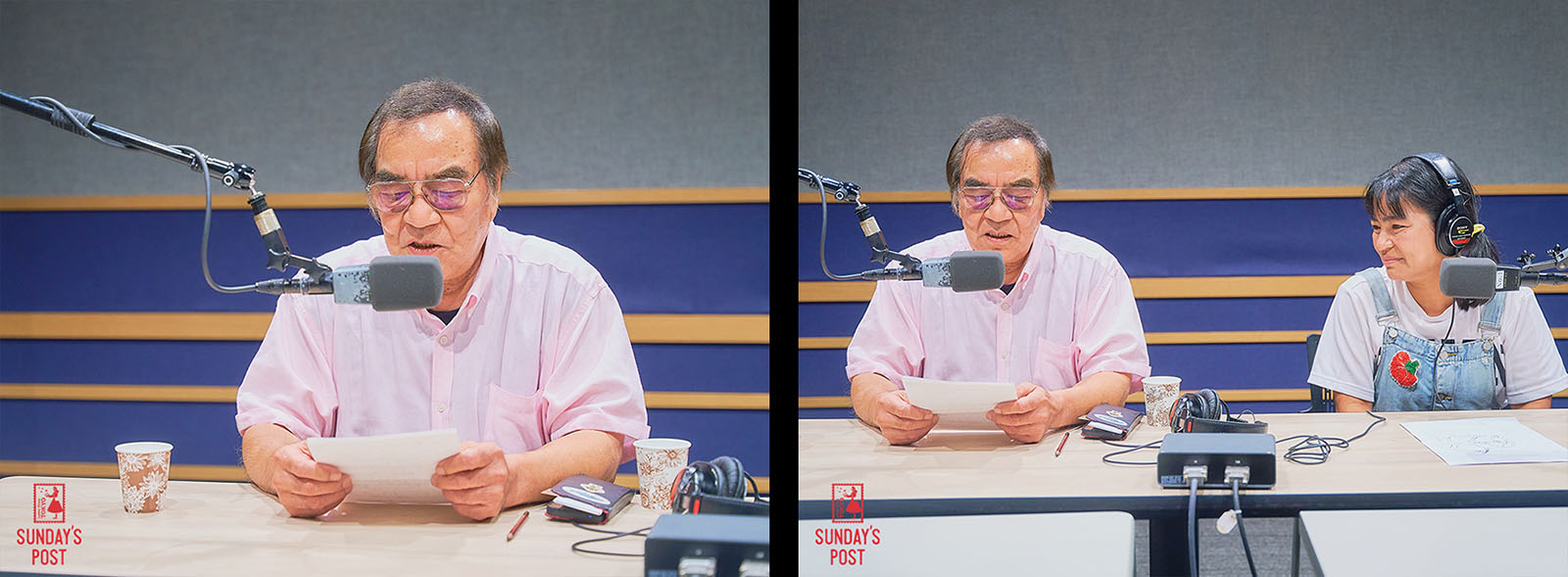
The person Shirato wants to convey his feelings to via a letter right now is the group of children in Okinawa with whom he created anime together.
“There was A-kun, with his buzz cut. It was so amusing to stroke his head, which felt just like a scrubbing brush, and I really enjoyed the rough, bristly sensation.”
“The drawings the children made, which I once thought were just doodles, have now evolved into impressive original characters. To all the moms and dads out there: please, I beg you, don’t throw your children’s drawings in the trash.”
There were children who drew like pros, children who would burst into tears, and B-kun, who wouldn’t draw a thing but would eat two full meals.
“In five or ten years, they’ll all be over twenty. If I’m still alive by then, I’d love to hold a reunion for the workshop.”
Kundo: “It was such a letter, filled with love.”
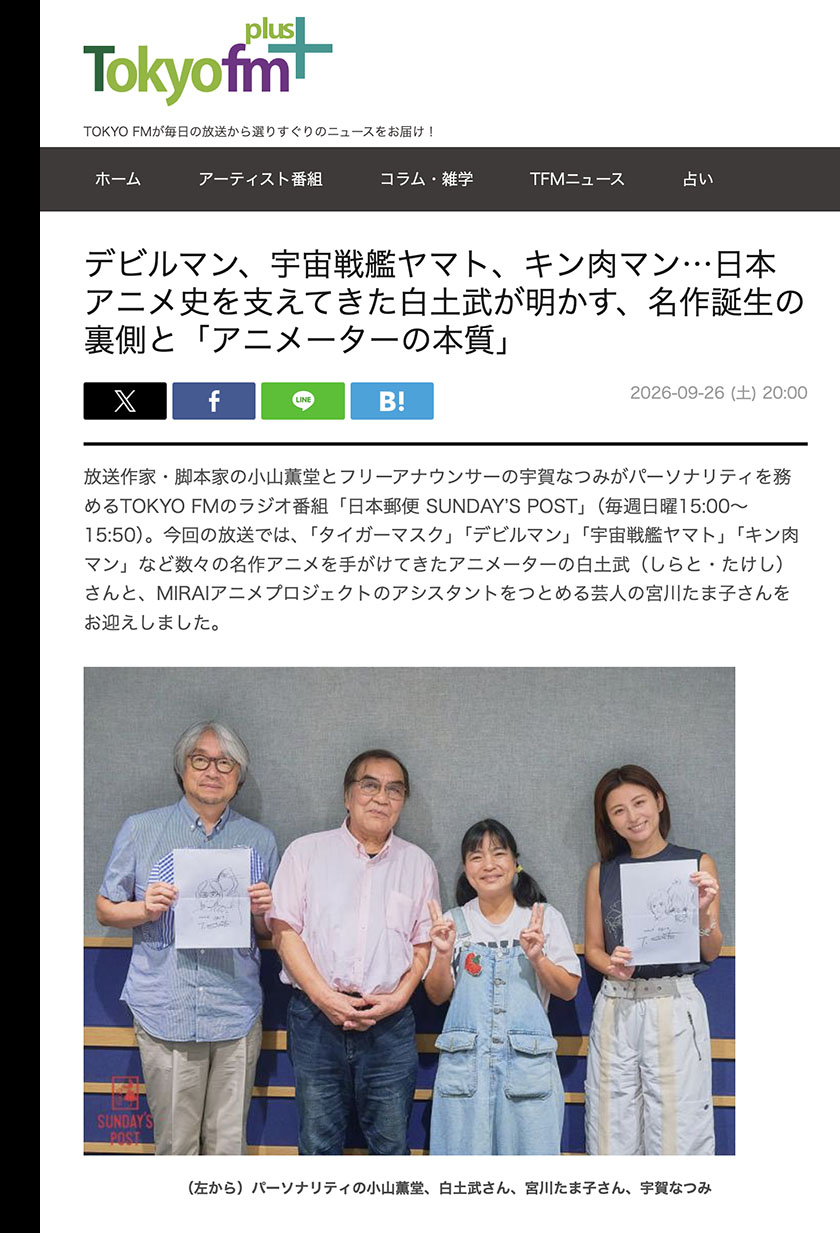
Devilman, Space Battleship Yamato, Kinnikuman…
Takeshi Shirato, a pillar of Japanese animation history, reveals the stories behind these masterpieces and discusses “the essence of an animator.”
Published at Tokyo FM Plus, September 26, 2026. See the original post here
Sunday’s Post is a TOKYO FM radio program hosted by broadcast writer/screenwriter Kundo Koyama and freelance announcer Natsumi Uga (airing every Sunday from 3:00 PM to 3:50 PM). In this episode, the hosts welcomed animator Takeshi Shirato, who has worked on numerous anime masterpieces such as Tiger Mask, Devilman, Space Battleship Yamato, and Kinnikuman, along with comedian Tamako Miyagawa, an assistant for the MIRAI Anime Project.
The Work of an Animator and Behind-the-Scenes Stories of Space Battleship Yamato
Takeshi Shirato has served as an animator, director, and animation director. He has been involved in many works that define the history of Japanese animation, including Tiger Mask, Devilman, Space Battleship Yamato, Ikkyu, and Kinnikuman, taking on roles such as animation supervisor, episode director, and character designer.
He is currently focusing his efforts on teaching animation production to children. This year, he collaborated with elementary and junior high school students in Okinawa to create a short animated film titled Saion, centered on Shuri Castle. He continues his work of passing on the animation techniques and the joy of the craft, cultivated over many years, to the next generation.
Speaking about the work of an animator, Shirato noted, “Animation isn’t just about drawing pictures. It involves a large team working together to complete a single project, so there are many different roles involved.” He explains that his own contributions have focused on the drawing side of things, serving as an animation director and handling character design.
Reflecting on the production of Space Battleship Yamato, he mentioned the history behind the main character designs: multiple artists created competing designs, which the producer then selected, reworked, and finalized. When Koyama asked, “Do you draw while imagining how the story will unfold later on?” Shirato revealed a behind-the-scenes story from that high-pressure time that drew laughter from the studio: “Originally, the plan was to return to Earth around episode 50-something, but each episode cost a fortune, so we ran out of money halfway through. (Laughs) We decided, ‘Let’s just get back to Earth after the 24th episode.’ (Laughs) We had to scramble to wrap things up and get back to Earth in the final two episodes.”
Shirato also identified storyboarding as the most difficult task, describing it as “the blueprint, the foundation, and the structural groundwork of the project. If that collapses, the work itself falls apart.”
When Koyama described the role as “doing the work of three people, cinematographer, director, and actor, all at once,” Shirato nodded in agreement, adding, “Drawing out all the shot compositions to match the theme is incredibly challenging, but also fascinating.”
Furthermore, discussing why Japanese anime is loved worldwide, Shirato shared his unique perspective: “It might sound a bit self-serving, but titles like Tiger Mask and Devilman all seem to incorporate that uniquely Japanese sense of wabi-sabi somewhere. The appeal of Japan that travelers experience has become linked with the appeal of anime, allowing it to resonate globally over the past twenty years or so.”
Taking on a Shuri Castle Anime Project with Children from Okinawa
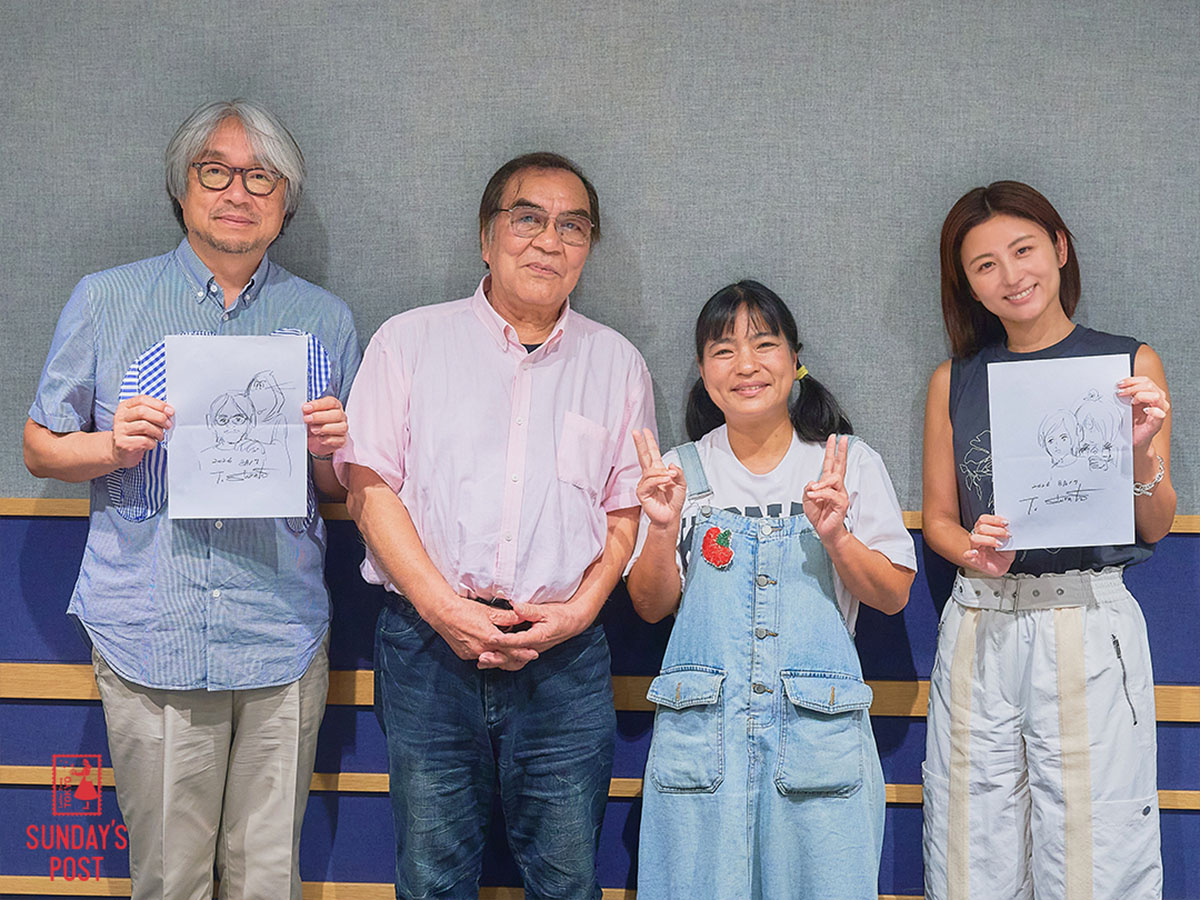
In the second half of the segment, an Okinawan comedian named Tamako Miyagawa appeared. She is affiliated with Yoshimoto Kogyo, who was instrumental in bringing Shirato onto the show. She reported on the progress of a project to create a short anime titled Saion in conjunction with the reconstruction of Shuri Castle in Okinawa. The project involves local elementary and junior high school students as well as elderly residents of Tokashiki Island.
“The teacher wanted to teach children how to draw, and was also interested in the concept of ‘children’s cafeterias’ [community-run meal programs]. Since he had produced so much work for me, I felt the least I could do was organize anime workshops for him. I’ve been working hard at it for five or six years now. I’m basically his full-fledged assistant,” she said, reflecting on the journey of providing passionate support.
Regarding the instruction of the children, Shirato noted their growth, saying, “At first, their drawings were just doodles, but they developed a mindset of ‘I need to draw properly,’ and their artwork became much more solid.”
There was also a surprise moment where Shirato improvised and sketched portraits of Koyama and Uga right there in the studio. Uga was thrilled by the beautiful illustrations, which quickly captured their features, exclaiming, “Wow, that’s amazing! I’m so happy! I want to put it in a frame, may I take it home?” Koyama also praised the work highly, remarking, “It looks like it’s about to spring into motion. It looks like it could fly off into space.”
In the program’s signature “Letter Reading” segment, Shirato read a heartwarming letter addressed to the children he had met during a workshop in Okinawa. He shared messages filled with affection, such as, “Please don’t crumple up the pictures you draw and throw them in the trash; they are wonderful original characters,” and “Don’t give up on the path of becoming a creator.” The entire studio was enveloped in a touching, gentle atmosphere.
To conclude the program, Koyama asked, “What is the most essential talent for becoming a top-class animator?” Shirato replied, “In our line of work, the person drawing is essentially an ‘actor.’ A storyboard might simply say, ‘Turn right, look down, and cry.’ But you have to draw, with real heart, why they are crying, why they turn right, and just how sad their expression is. When someone draws who understands acting, the image truly comes alive. I feel that the people who possess both of those qualities are the ones who become true animators.”