
Presenting historical research in timeline form is always a tricky undertaking, because history seldom reveals itself in chronological order. New stuff always pops up after you thought a subject was closed, and your original mission statement demands that it be accommodated. In the Vintage Report series, this was handled with occasional roundups of accumulated backlog. The series has run its course, but the backlog still rolls in.
If your preference is to see it in historical context, no worries; all of this has been threaded into the Vintage Reports. But if you just want to browse what’s been found since your last check-in, this page is here to serve.
1982
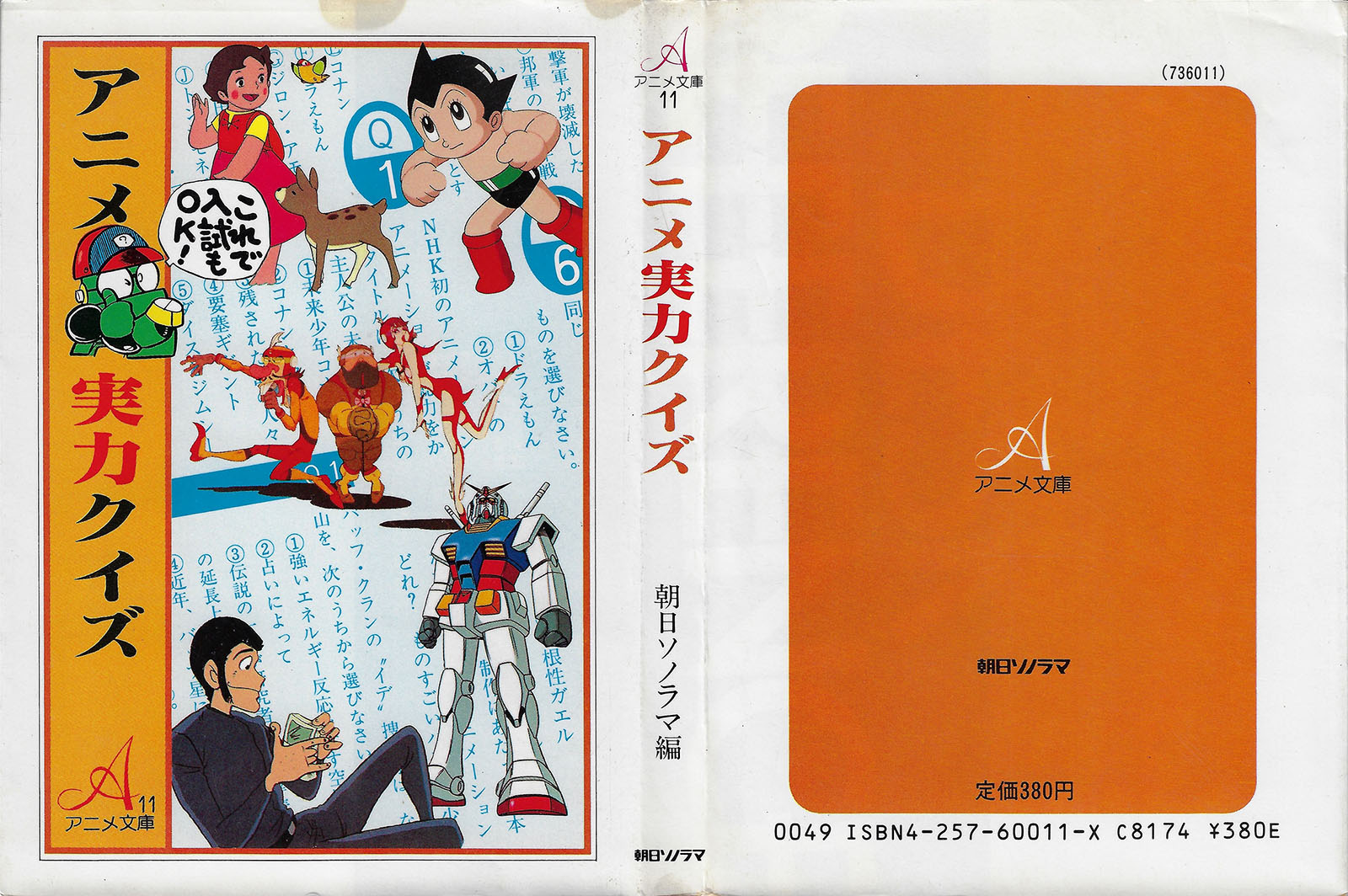
March 31: Anime Proficiency Quiz book
Asahi Sonorama was always good at recognizing trends, and anime quiz books were among them. This 144-page paperback started out with beginner questions and slowly moved into more obscure territory, though the Yamato questions were child’s play with things like “What’s Yamato‘s most powerful weapon?” and “What fighter did Susumu Kodai fly?” and “Who wrote Yamato‘s music?”
More challenging quiz books were to come, but you have to start somewhere.
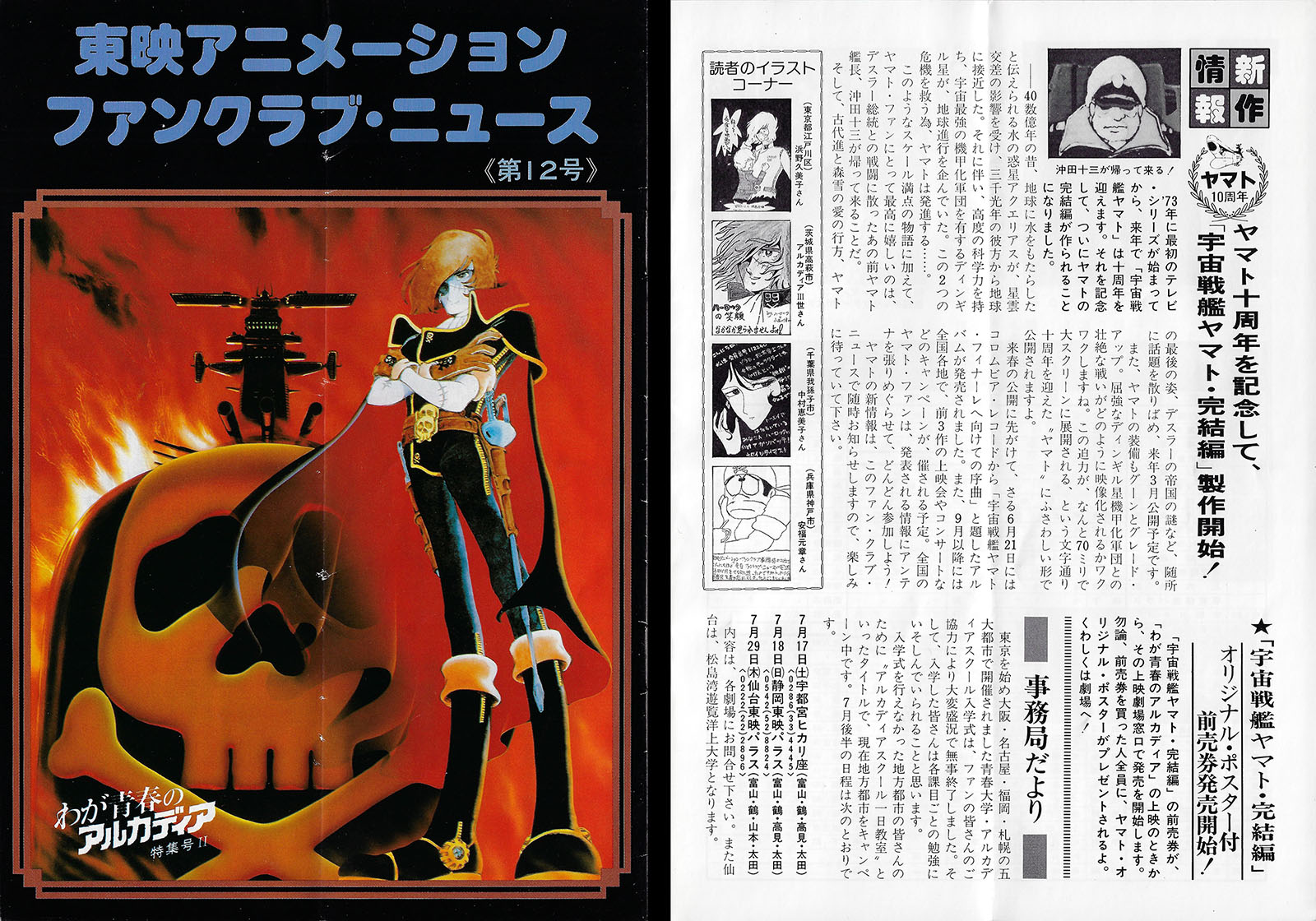
July 10: Toei Animation Fan Club News No. 12
Members who joined this fan club received a quarterly 12-page newsletter that rounded up the latest news on anime films produced by Toei Studio. Be Forever got its share of coverage in 1980, but now it was time for Final Yamato to step into the spotlight.
The film was announced in a 1-page article; read it here
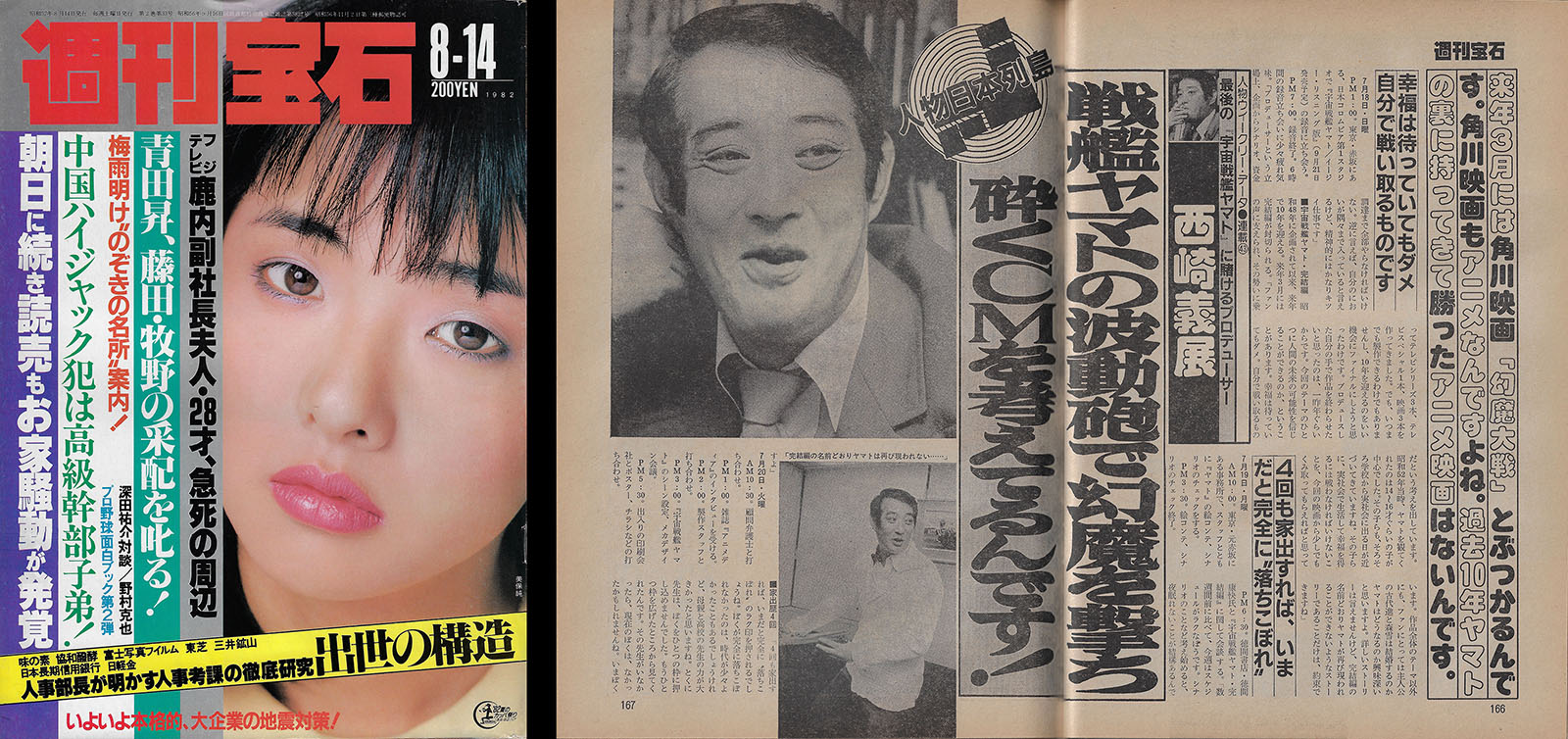
August 1: Weekly Jewel No. 43, August 14 issue
Weekly Jewel was a news, gossip and entertainment magazine published by Kobunsha, and in the 43rd installment of their “Weekly People Data Series,” the focus was on Yoshinobu Nishizaki. The article took a unique approach, tagging along with him for an entire week to log his daily activities and collect commentary on his work and lifestyle.
This portrait caught him in a variety of mindsets from sassy to contemplative, and provided a vantage point other magazines never saw.
Read the article here
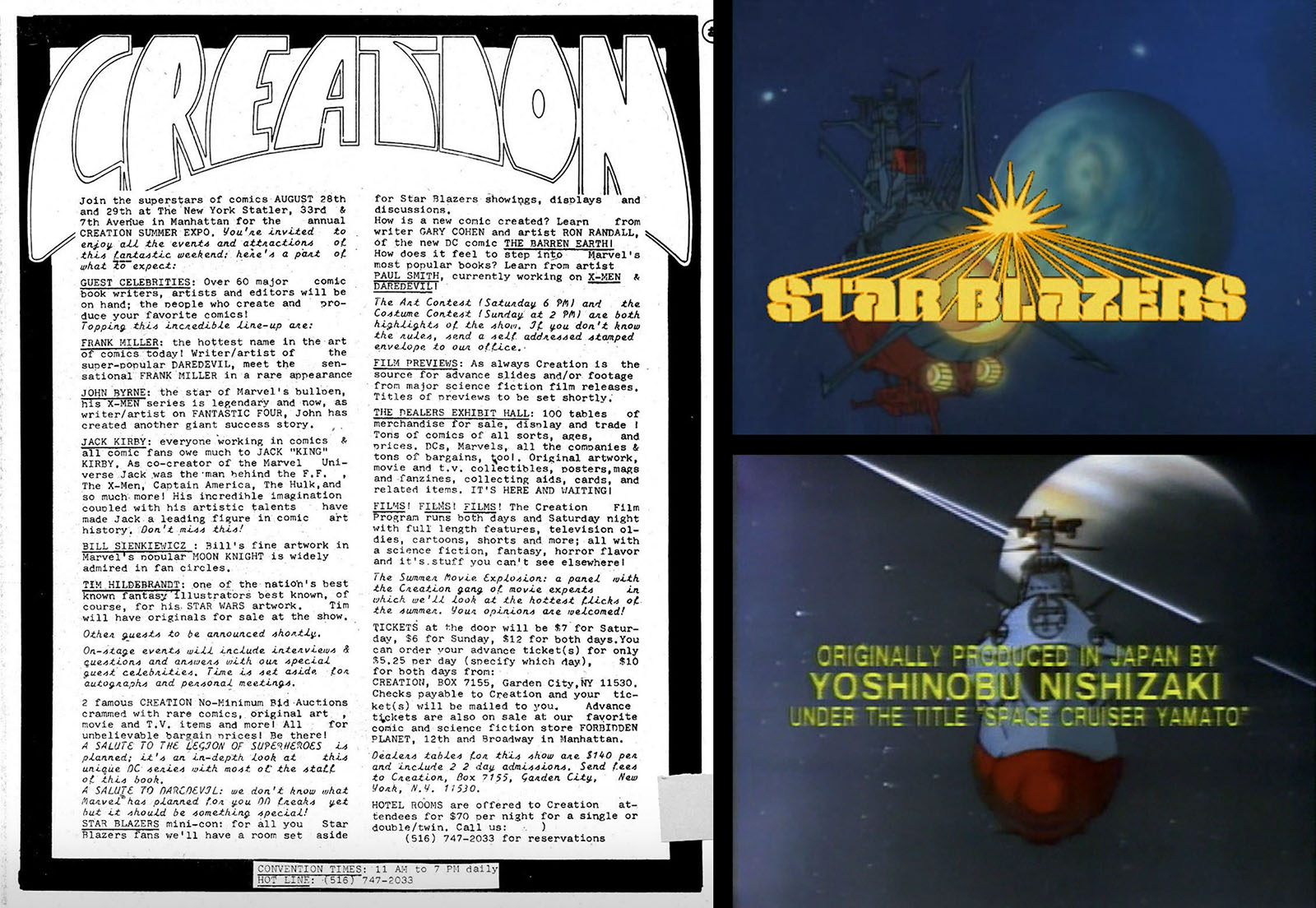
August 28 & 29: Creation Summer Expo, New York City
By way of anime fandom historian Roger Proctor comes an artifact from summer 1982, a flyer for yet another SF convention that made room for Star Blazers. The text reads:
Star Blazers mini-con: for all you Star Blazers fans we’ll have a room set aside for Star Blazers showings, displays, and discussions.
One more step toward global domination.
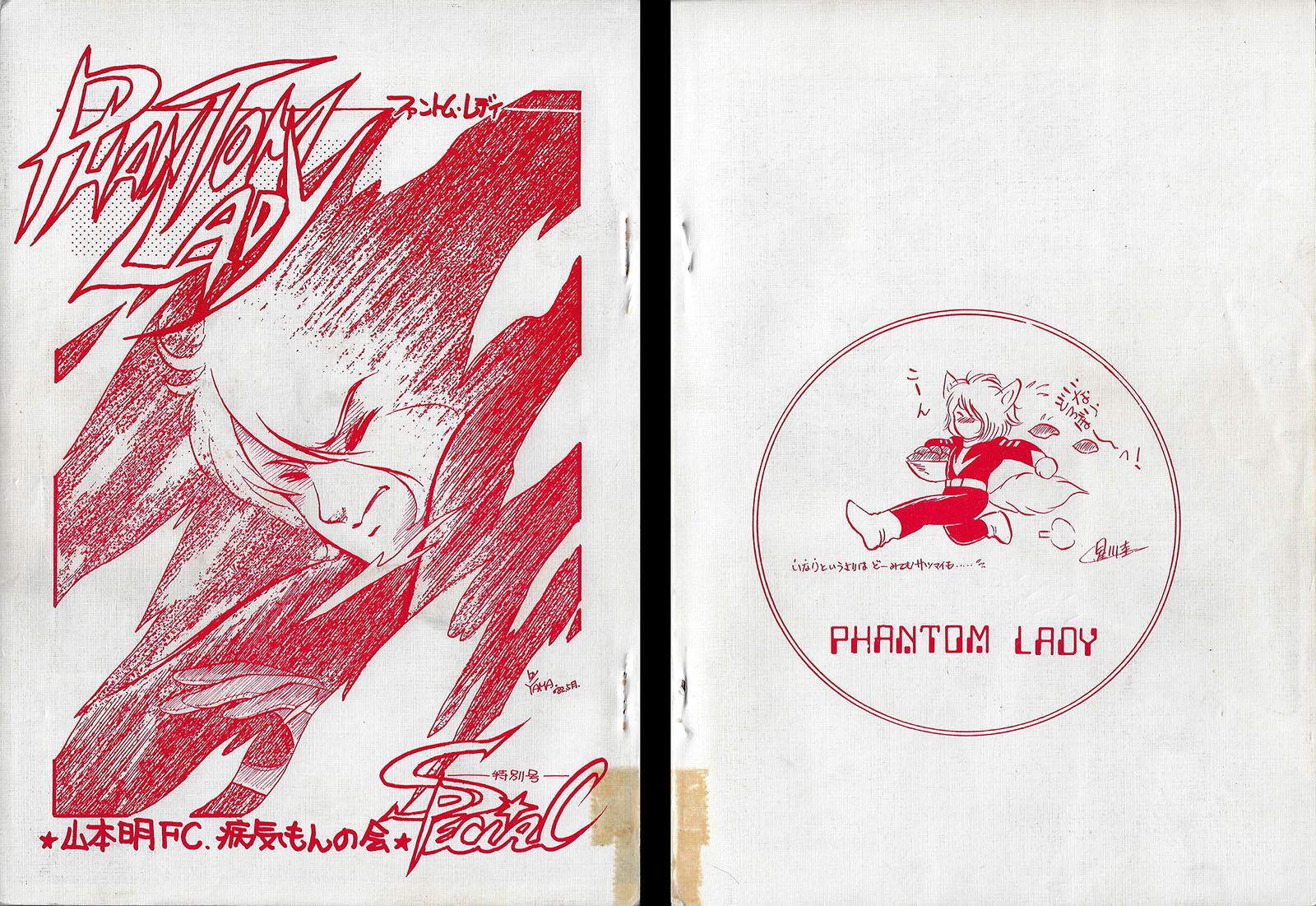
September: Phantom Lady doujinshi
As the production years moved toward their conclusion, the days of fanzines that curated Yamato production materials were over. Mass market books had taken over that job, leaving fans entirely free go in whatever direction their hearts led them.
The “Akira Yamamoto FC Sick Peoples’ Club” expressed their passion in this 212-page jam ‘zine that immortalized their favorite heartthrob in fanfic, manga, and cartoons (mostly comedic), setting a tone that would dominate the Yamato doujinshi space for the next several years.
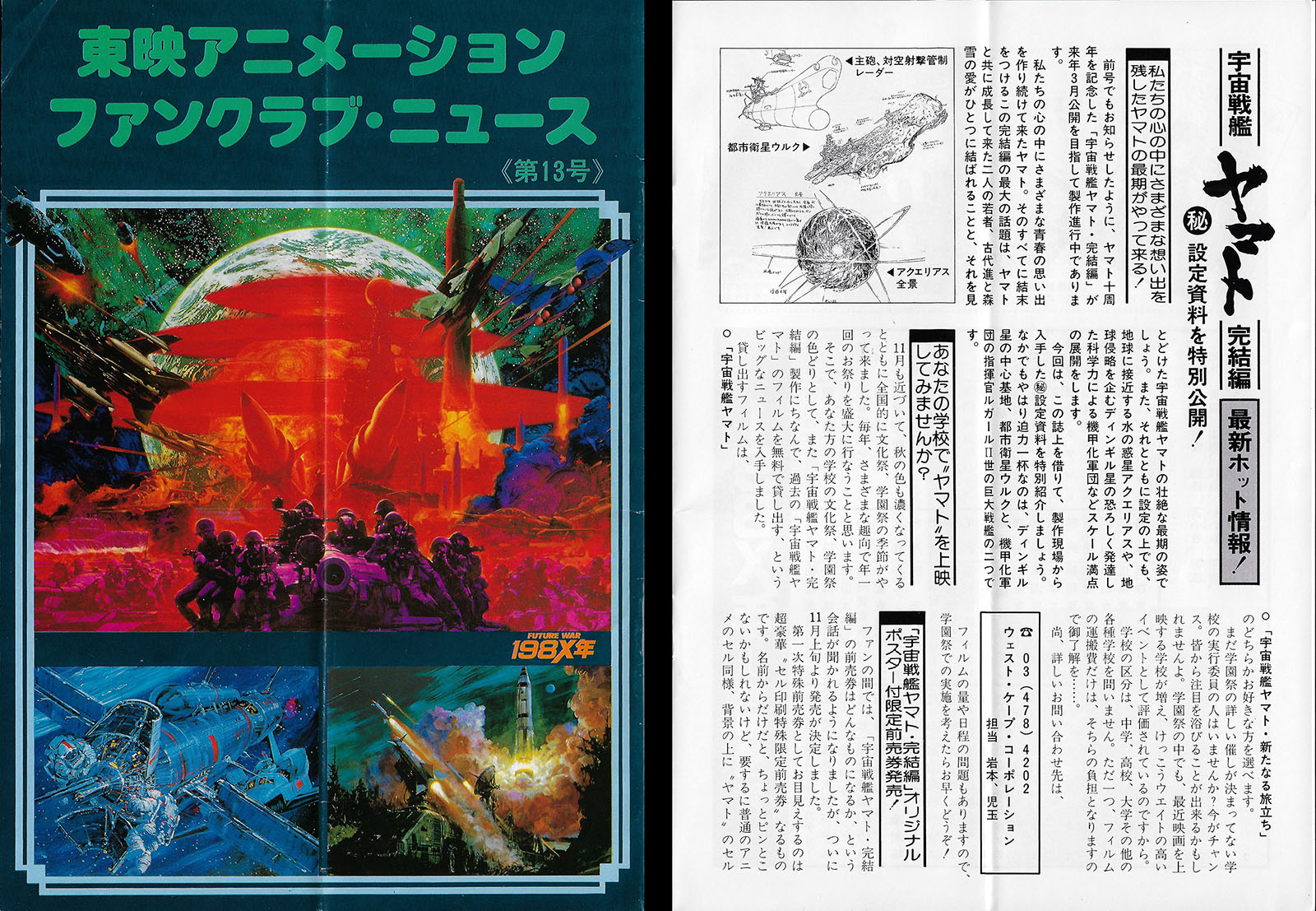
October 1: Toei Animation Fan Club News No. 13
The fall issue of Toei’s quarterly newsletter devoted two pages to Final Yamato with news of the first advance ticket sales and upcoming revival screenings of the previous movies.
Read the article here
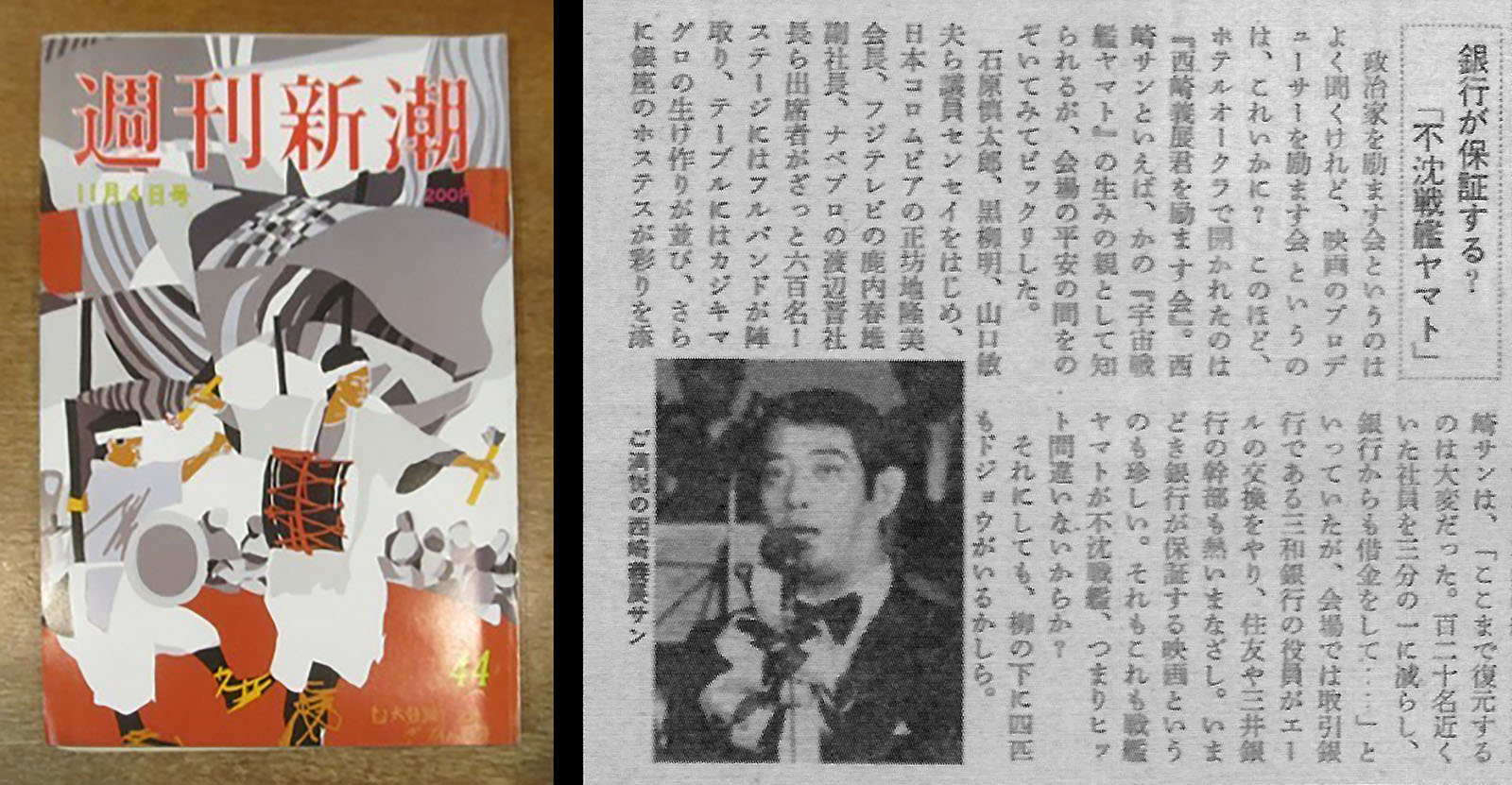
November 4: Weekly Shincho article
This weekly news and gossip magazine carried a short article written by a reporter who attended Yoshinobu Nishizaki’s “encouragement party,” which they equated with a political rally held for an anime producer.
Read the article here
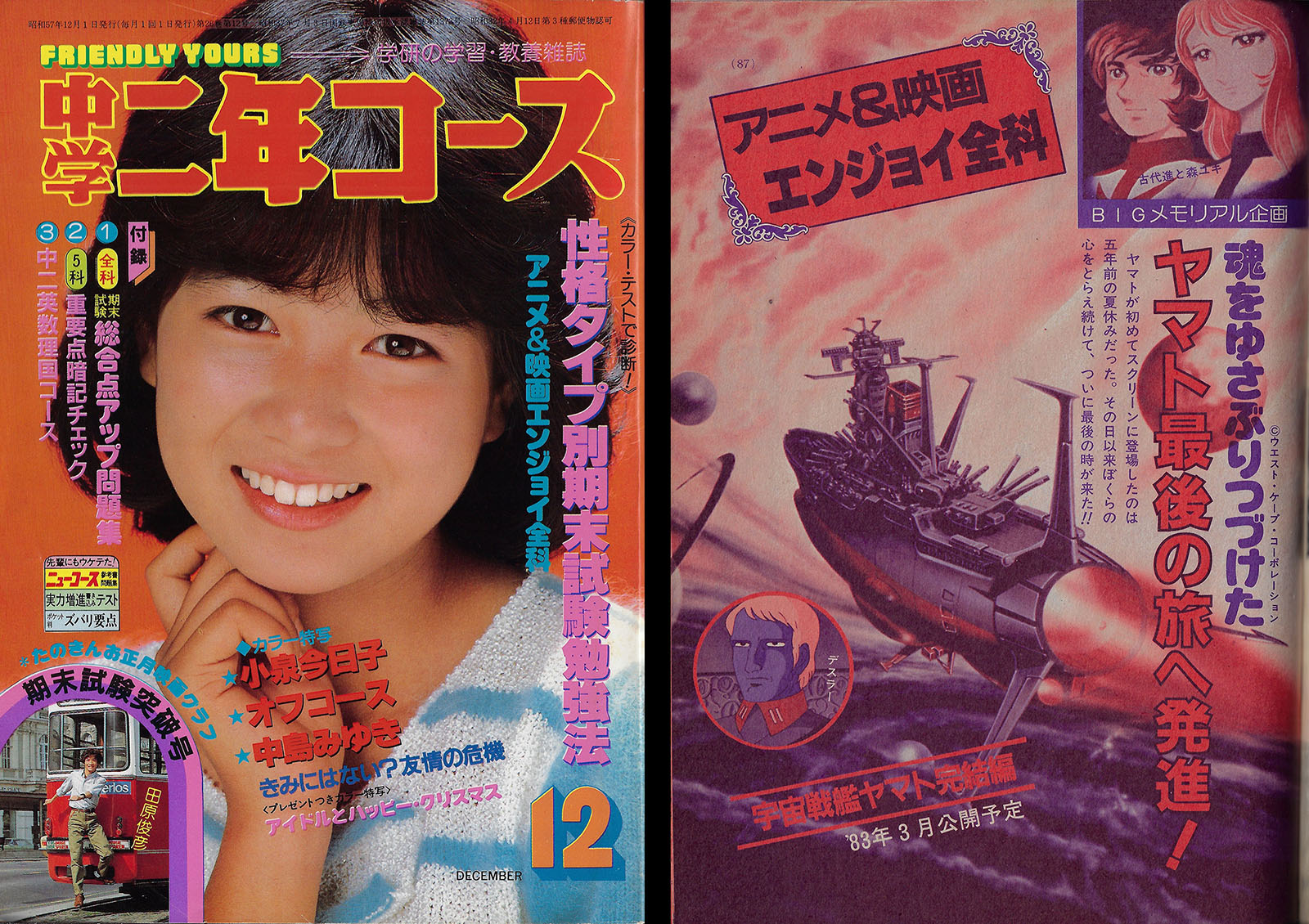
November 9: Middle 2nd Year Course, December issue
Gakken’s student digest for 8th graders laid it on thick for Final Yamato in the month when the first advance tickets went on sale. A 7-page article described all the action of the first ten minutes and went on to drop some pretty heavy spoilers for the rest of the story. The last four pages revisited the previous three feature films.
Read the article here
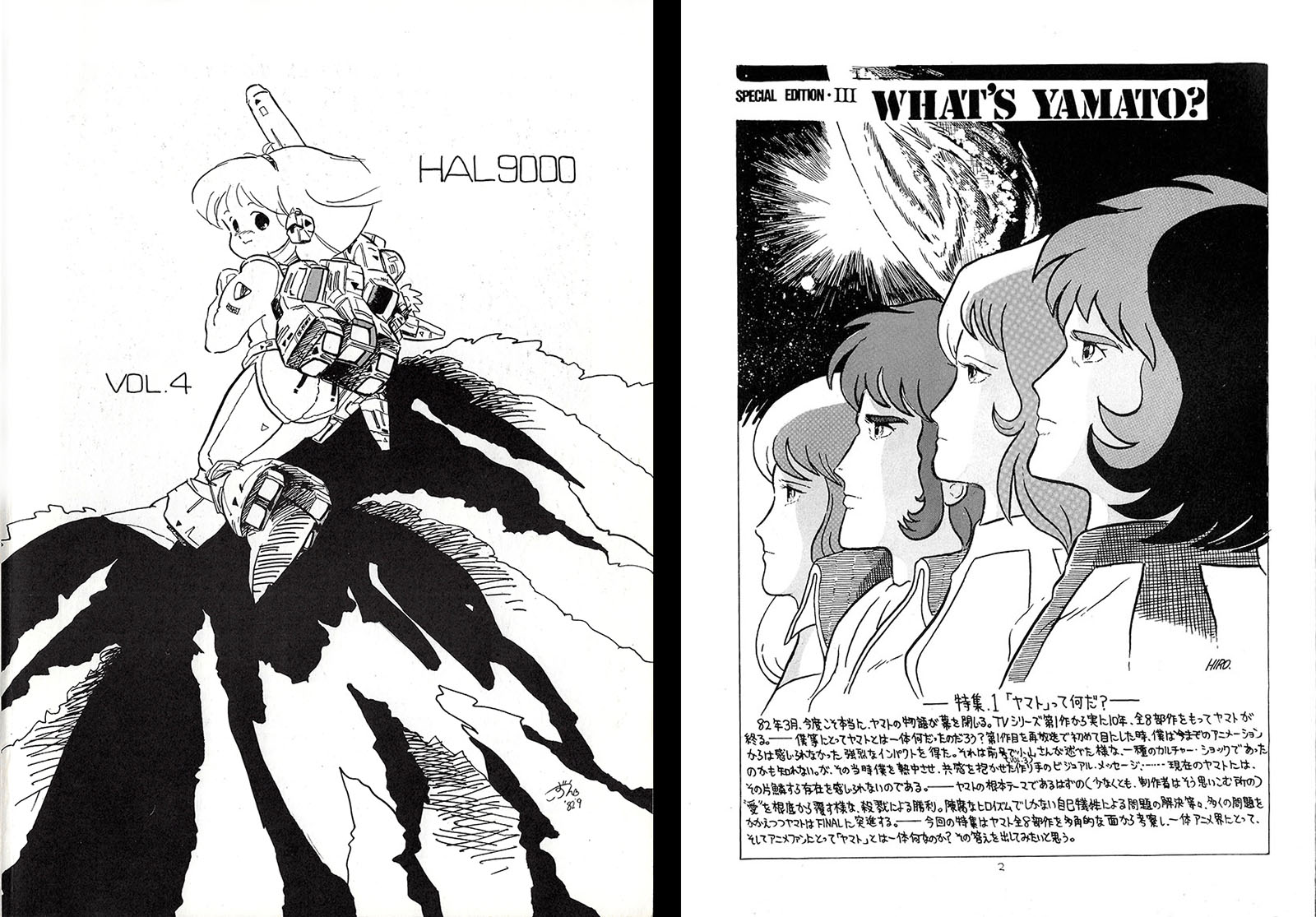
December 26: Hal 9000 Vol. 4 doujinshi
Rather than a Yamato ‘zine, this was a general anime ‘zine with Yamato content, mainly cartoons and commentary mixed with coverage of Harmagedon, Minky Momo, and a Future Boy Conan manga story.
See it from cover to cover here
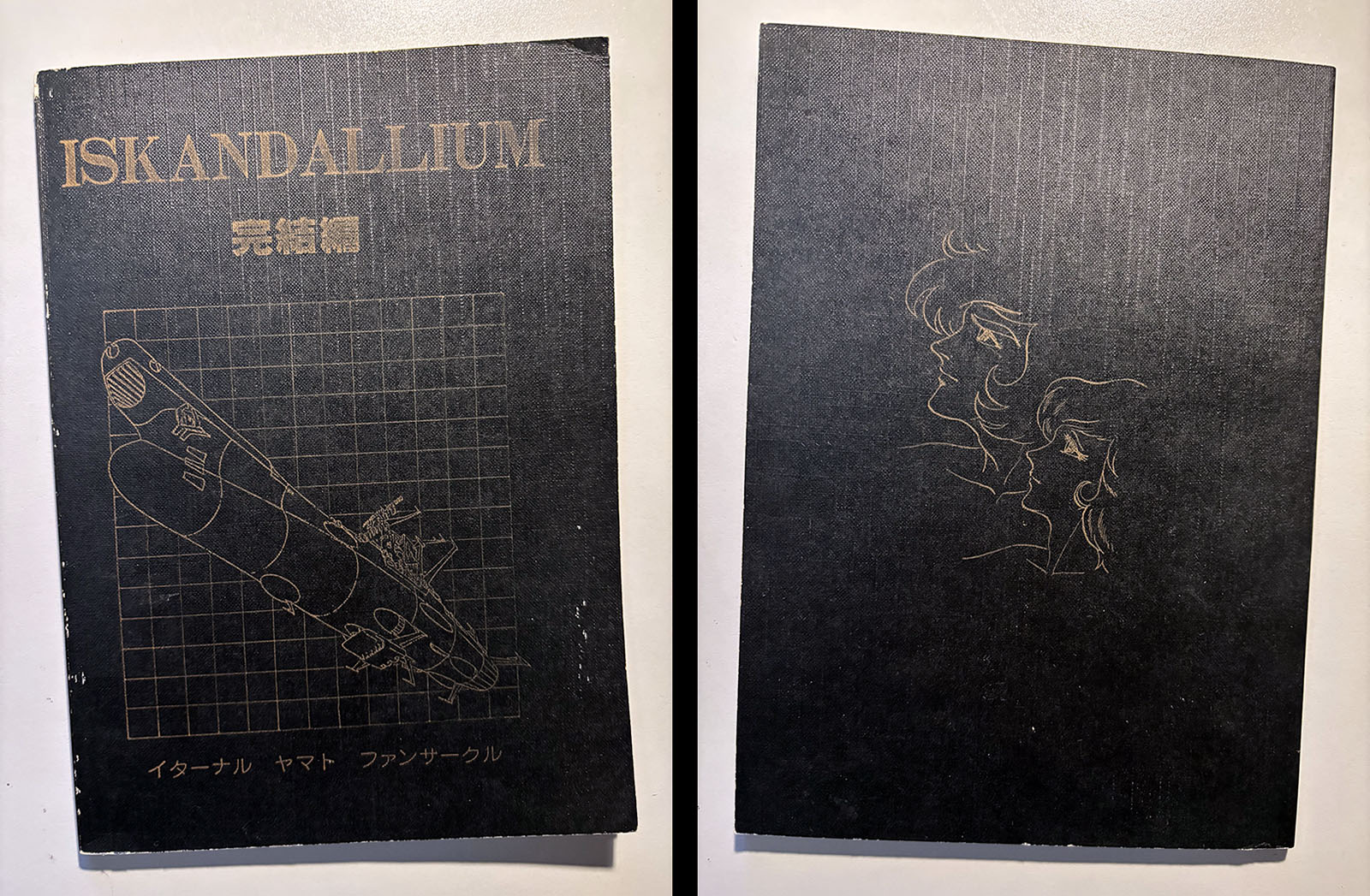
December 31: Iskandallium “Final Chapter” doujinshi
Published by a group called “Eternal Yamato Fan Circle,” Iskandallium first debuted in June 1979 and powered its way through ten bi-monthly volumes that lasted until October 1980. After a year-long hiatus, they got back to work and produced this paperback-size 72-page final issue. The main feature was an interesting one; they took all the information that was known so far about Final Yamato and produced their own fanfic version with spot illustrations and a character/mecha guide.
The rest of the issue was spent reviewing the history of their club and summarizing their hopes for the future.
1983
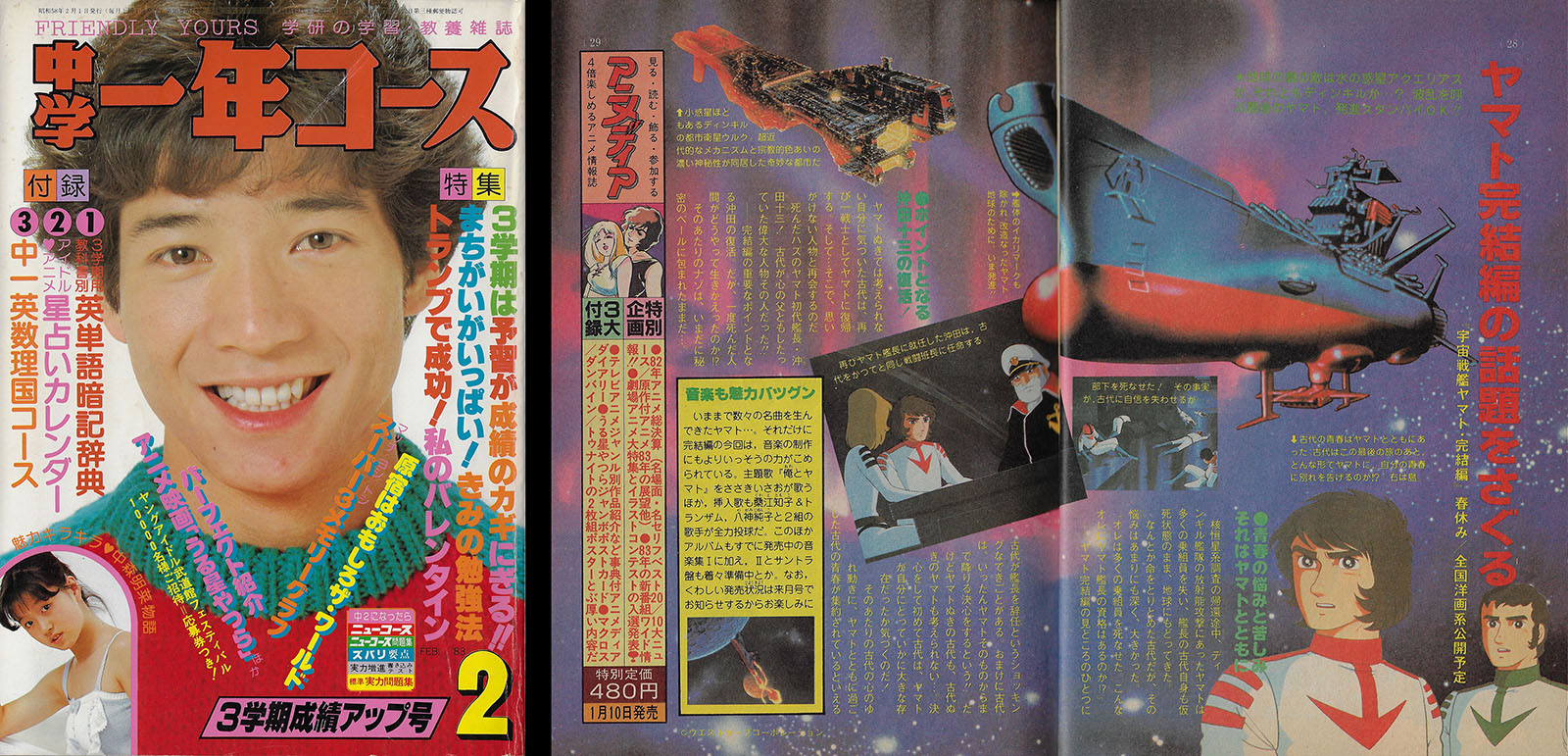
January 9: Middle 1st Year Course, February issue
Gakken’s student digest for 7th graders devoted two pages to an article titled Exploring the topics of Space Battleship Yamato, the Final Chapter. The approach of Aquarius and the return of Okita were the main points, but there was also this thoughtful passage:
A shocking event occurs: Kodai resigns as captain. What’s more, Kodai decides to step down from Yamato itself for a while! But Kodai without Yamato, and Yamato with Kodai, are unthinkable. Only when you truly reflect on it do you realize how significant Yamato is to Kodai! It can be said that Kodai’s youth spent with Yamato is encapsulated in the emotional turmoil of this time.
The article concluded with the following note:
The music is also incredibly appealing
Yamato has produced countless masterpieces up until now…and for that reason, even more effort has been put into the music production for this final chapter. In addition to Isao Sasaki singing the theme song Kodai and Yamato, two groups of singers – Tomoko Kuwae & Tranzam, and Junko Yagami – are also giving their all to the insert songs. Furthermore, in addition to Music Collection 1, which is already on sale, a second album and a soundtrack album are also being steadily prepared. Please watch for more details.
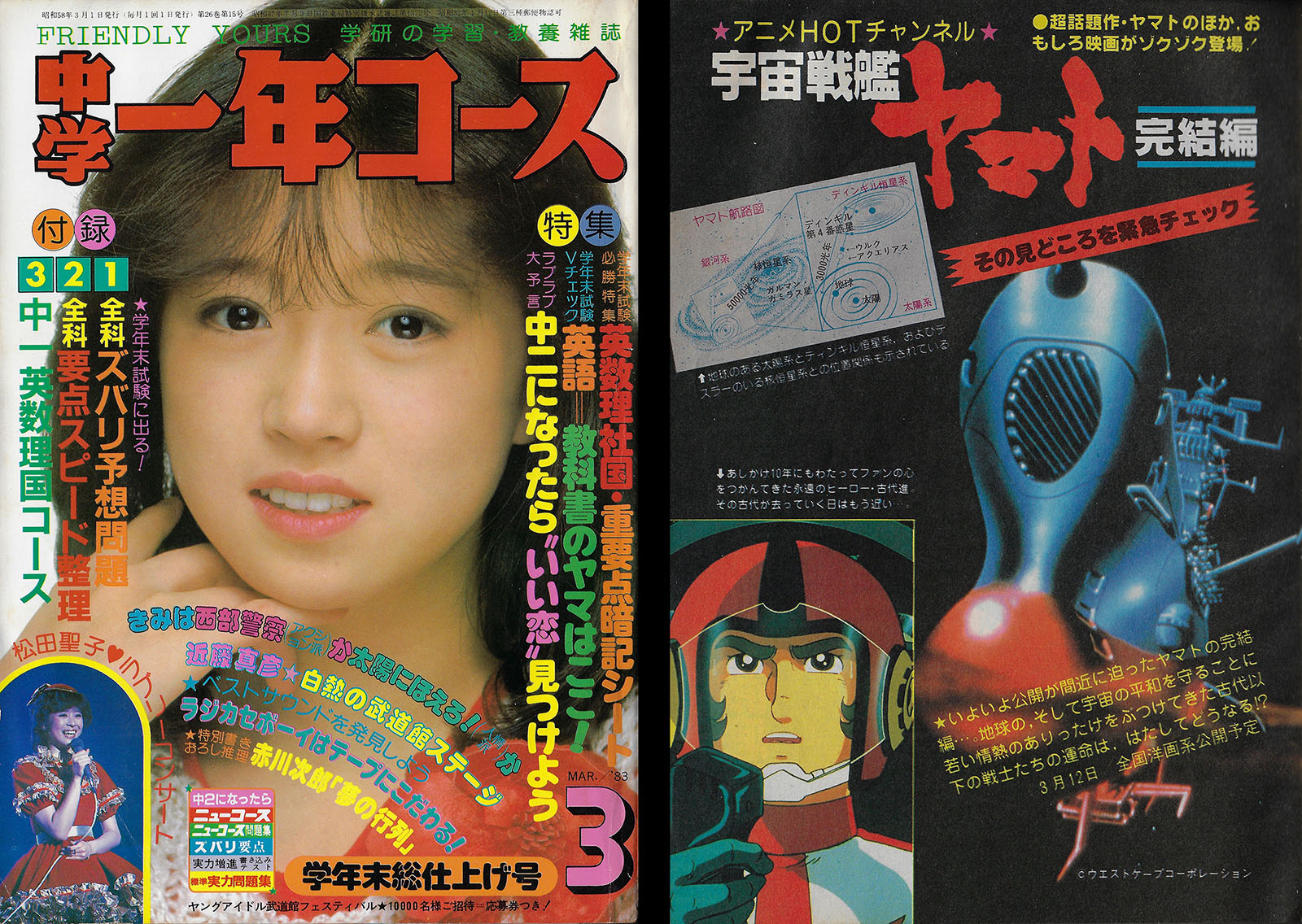
February 9: Middle 1st Year Course, March issue
Final Yamato earned four pages in Gakken’s student digest for 7th graders, an article that gave away the entire first act of the movie (which, to be fair, had already been spoiled in novelizations) and made surprisingly accurate predictions about the ending.
See the article in full here
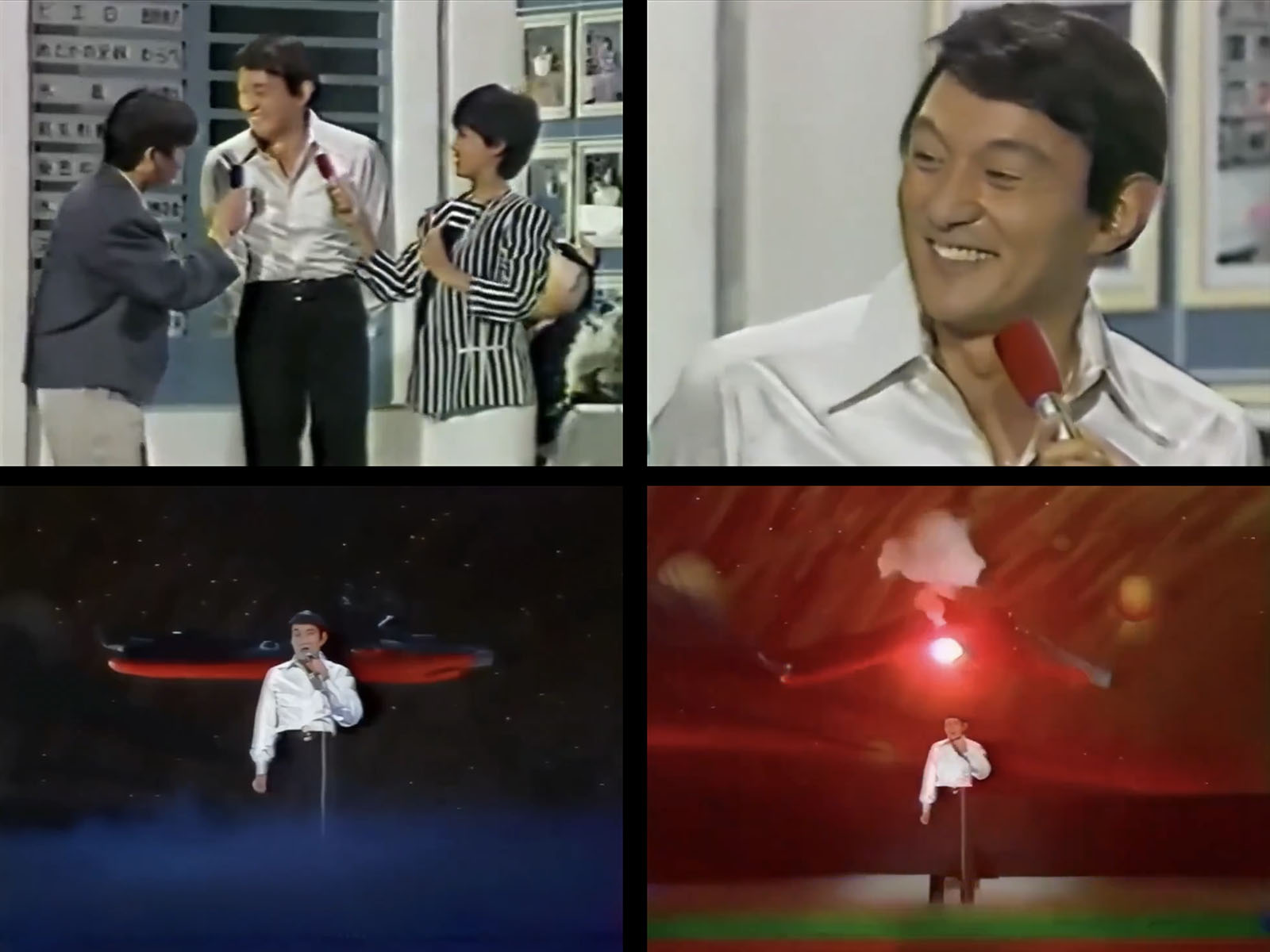
March: Isao Sasaki on Top Ten
There was a TV music show rivalry going on in 1983; TBS had The Best Ten while Nippon TV had Top Ten. That’s where Isao Sasaki showed up to perform Kodai and Yamato, which was rare enough on its own, but the stagecraft that accompanied him was…unprecedented.
See it for yourself here
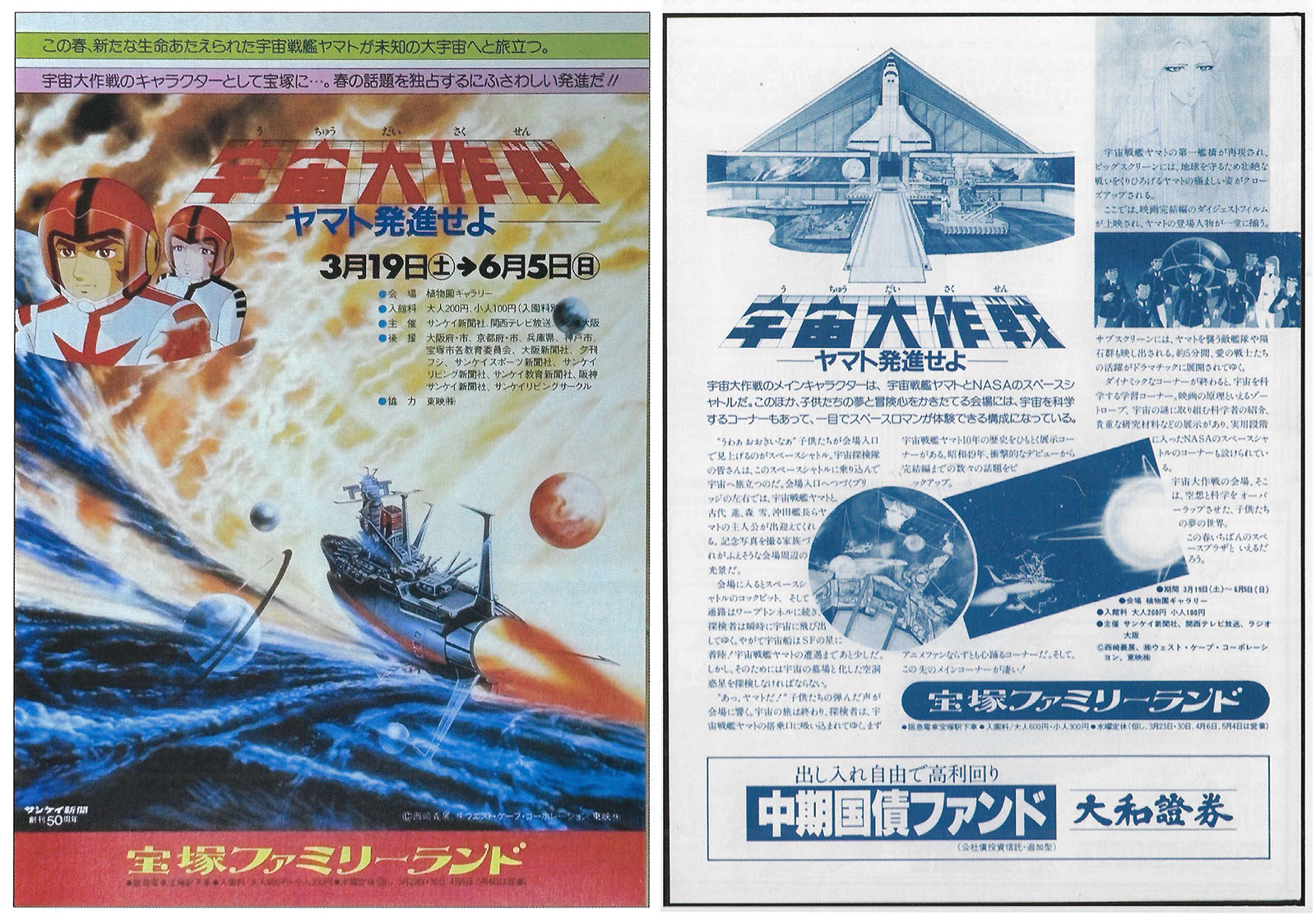
March 19: Big Space Project, Yamato Launch
The premiere of Final Yamato was matched by a new exhibition at Family Land, a theme park in Takarazuka (near Osaka). It was converted into Takarazuka Garden Fields in 2003, but twenty years earlier it featured the “Big Space Project,” a pavilion devoted to science fact and fiction. It ran from March 19 through June 5 and brought Yamato to life in a BIG way.
Read all about it here
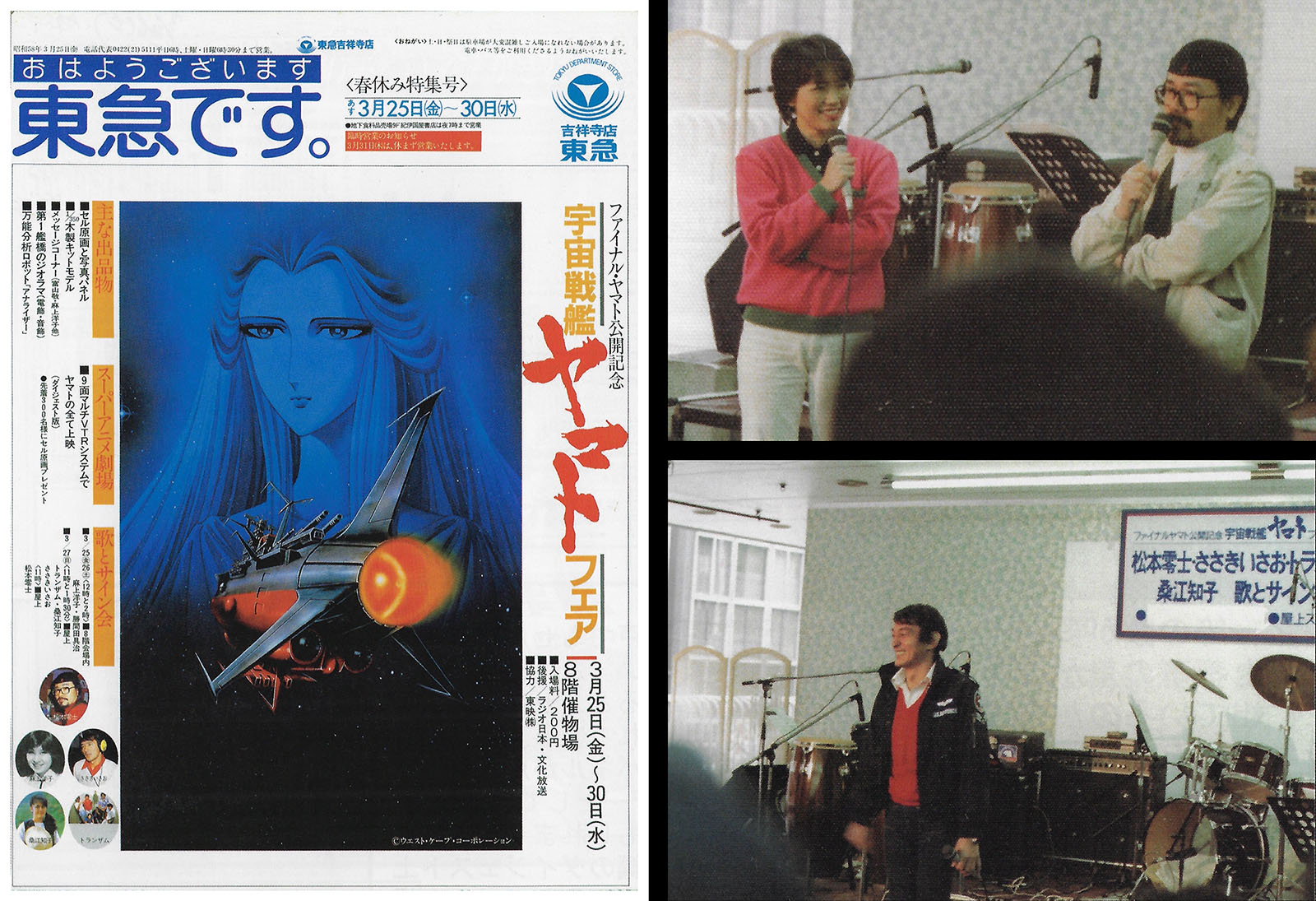
March 25-30 Yamato Fair
A Tokyu department store in the Kichijoji ward of Tokyo hosted one of the last Yamato exhibitions of the production years, a 6-day event that included anime cels and photo panels, model kits, a diorama of the first bridge, the life-size Analyzer statue, movie digest screenings, Leiji Matsumoto hosting live singers (Isao Sasaki and Tomoko Kuwae), and an autograph session with Yoko Asagami (Yuki) and director Tomoharu Katsumata.
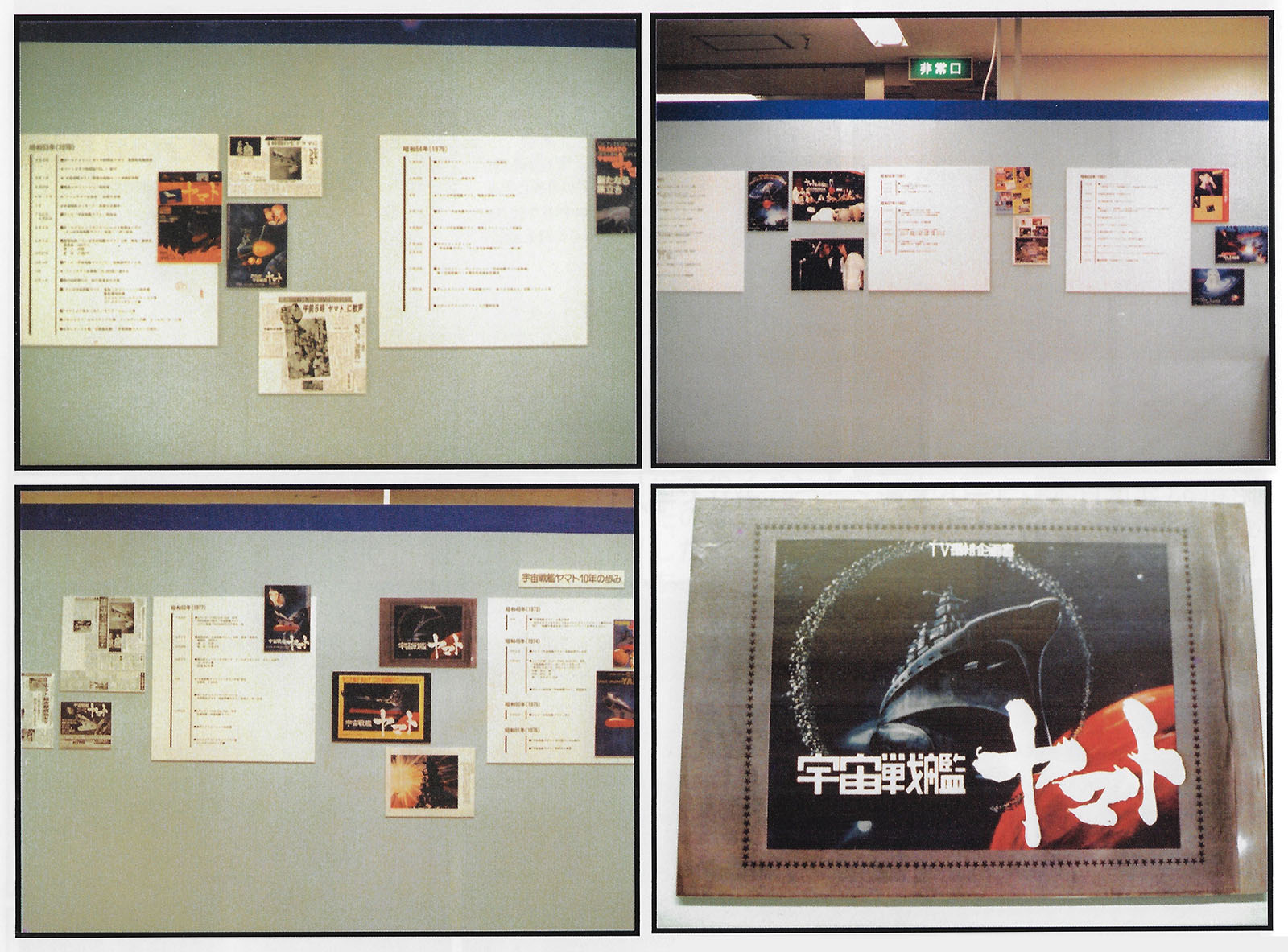
The photo panels summarized the history of Yamato with pictorial artifacts, an interesting precursor to the 50th Anniversary Exhibitions that began in 2025. Another display rounded up the many trophies, gold records, commemoration prizes, etc. that Yamato had garnered since 1977.
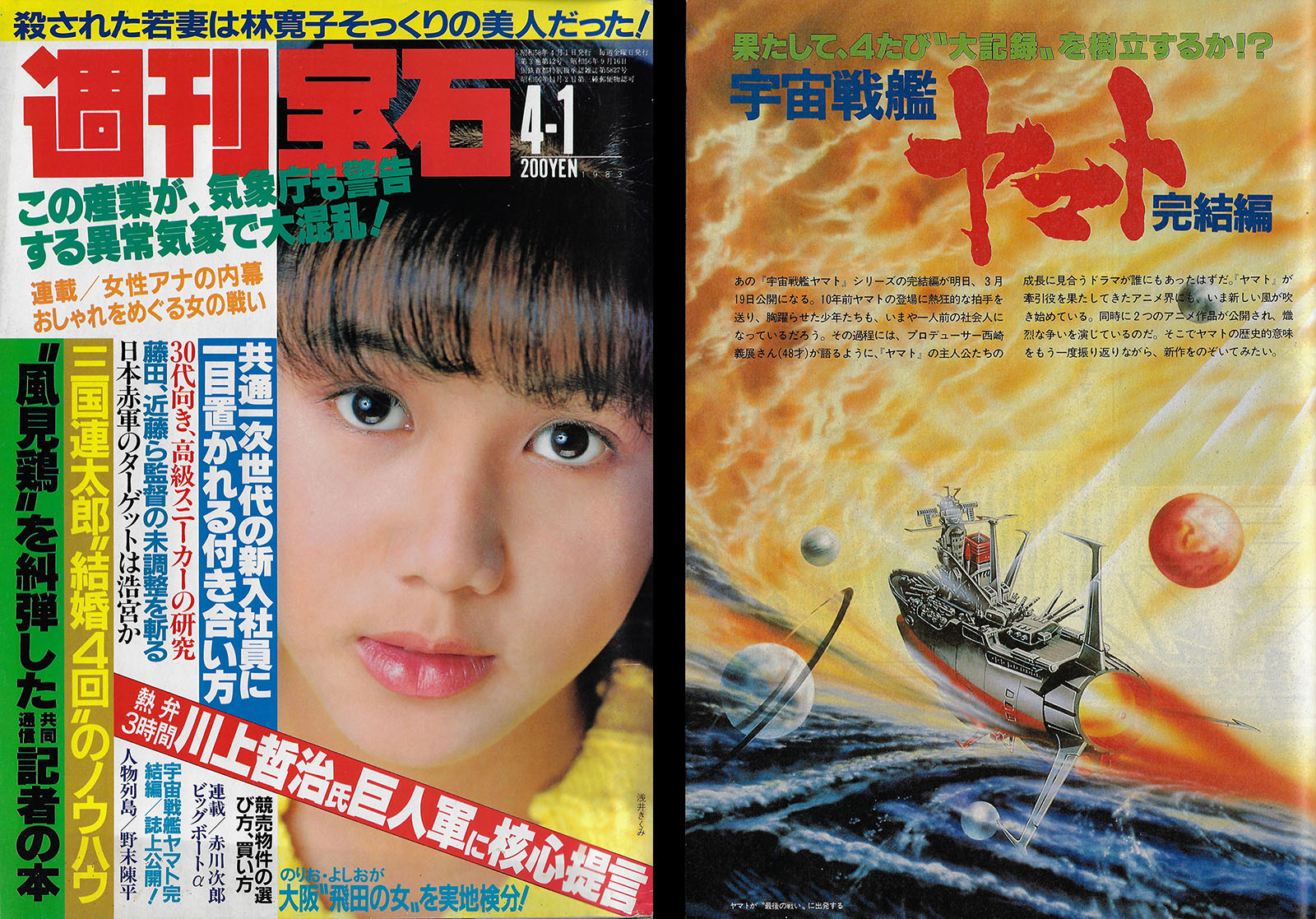
March 18: Weekly Jewel No. 72, April 1 issue
One day before Final Yamato‘s premiere, Weekly Jewel gave it a glorious 8-page salute that included a personal message from Yoshinobu Nishizaki.
Read the article here
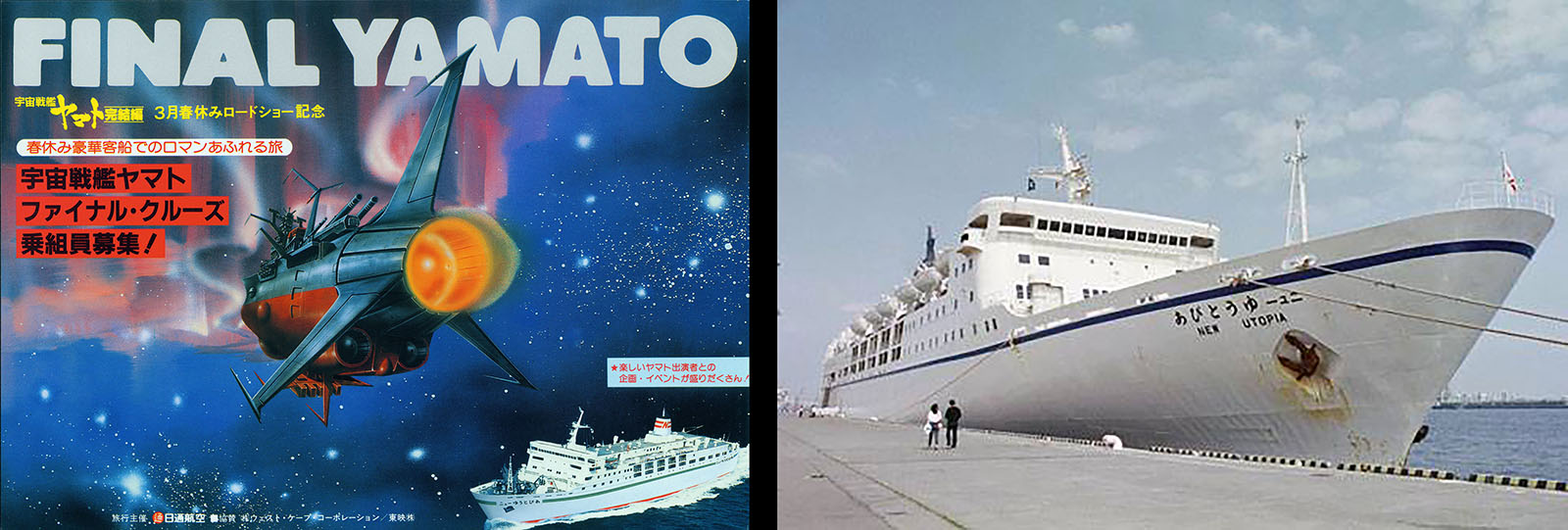
March 29: Final Cruises begin
Three Yamato-themed leisure cruises took place over the course of a week: March 29-31, March 31-April 2, and April 2-4. Staff and cast members participated in onboard events with fans. The attractions were listed as film screenings, meetings and autograph sessions with singers and voice actors, a live vocal contest (with each contestant receiving a record of their performance), a stamp rally, and more.
Click here for more details, including a first-person account from a fan who went along for the ride.
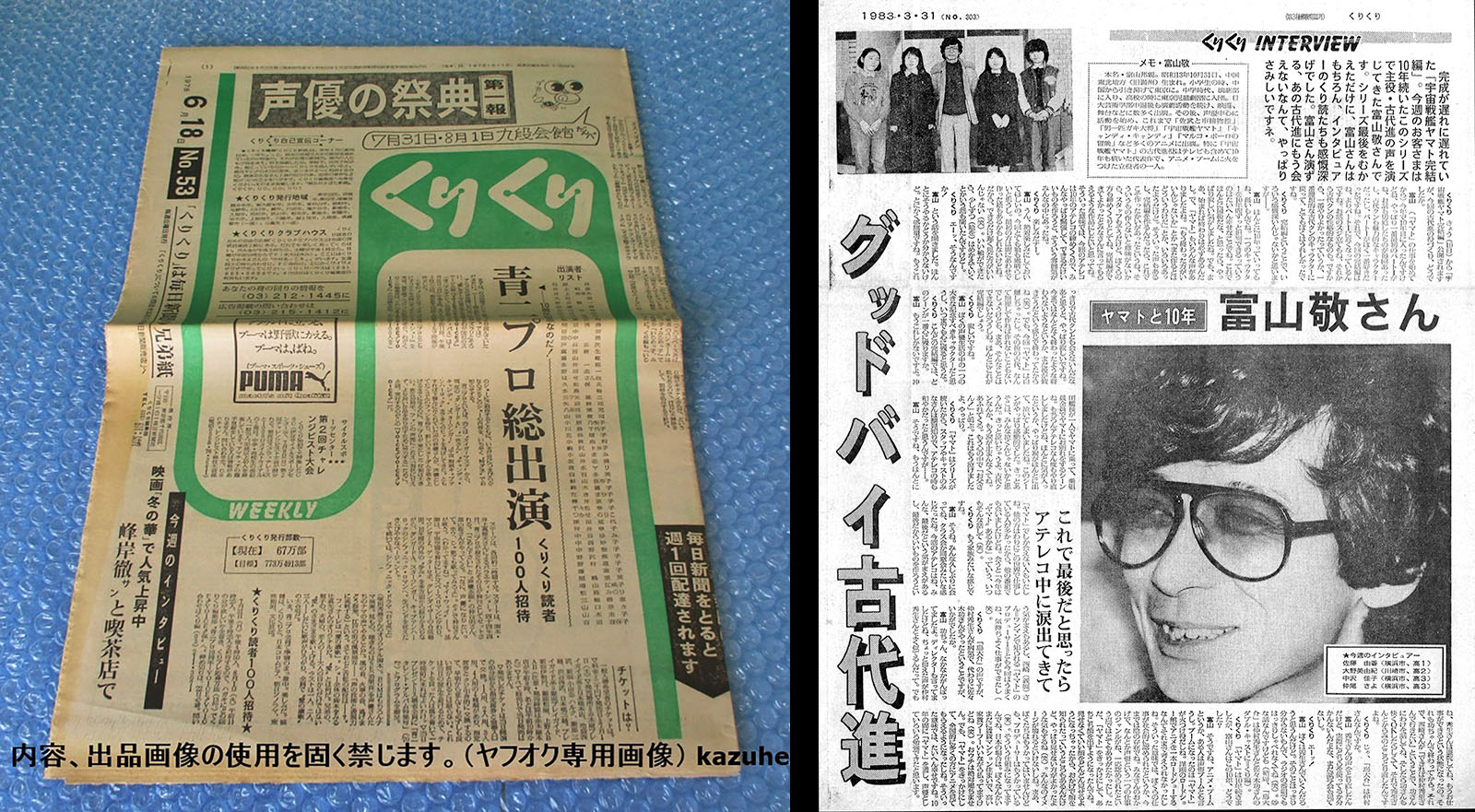
March 31: Weekly Kuri Kuri No. 303
The teenage version of Mainichi Shimbun [Newspaper] published what may have been the very last interview of the production years with voice actor Kei Tomiyama. Fittingly, the headline read “Goodbye, Susumu Kodai.”
Read the article here
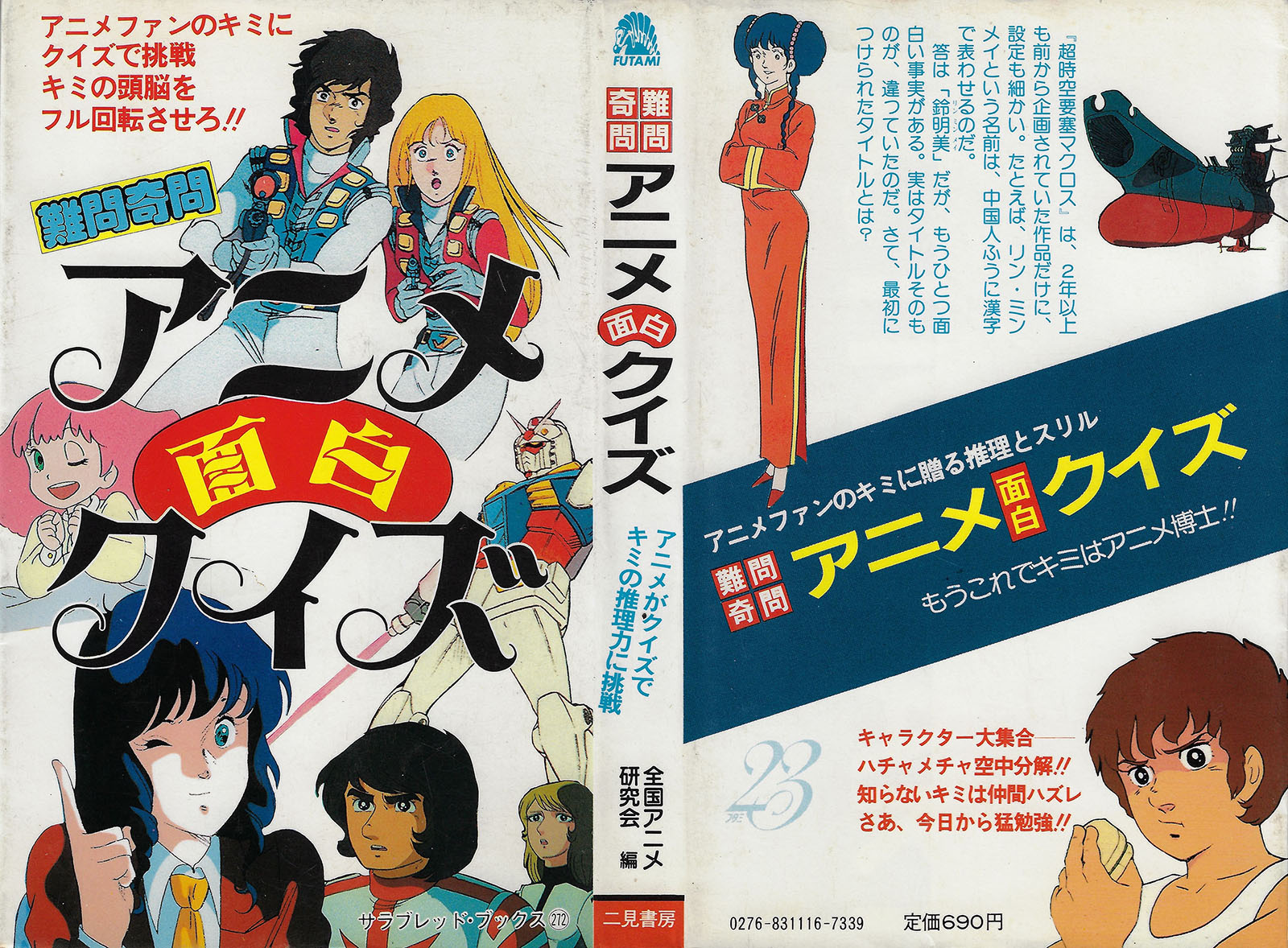
April 25: Anime Fun Quiz book
At just over 250 pages, this paperback from Futami Books was denser and more wide-ranging than a previous one published the year before by Sonorama. Questions were grouped by categories from heroes, heroines, robots, and mecha to anime staff members, production techniques, and history. This even stretched to the ancient origins of art depicting movement and the etymology of “animation” itself.
Yamato came up in many of the categories, and one particularly interesting question asked readers to identify its name in the USA. They also observed the fact that Star Blazers had attracted its own adult fan club.
Chock full of illustrations, diagrams, puzzles, and more, this book was more than just a trivia test, making an effort to educate the reader about the subjects in a very engaging format. Definitely worth the paper it was printed on.
What’s next
As the backlog tank refills itself with more vintage treasures, we’ll step forward into new territory: 1984! What events marked the transition into legacy status? A historic concert, English-language publishing, and the announcement of MORE anime projects were just some of the highlights.
Tune in next time for Yamato Year 1984 and see where the voyage takes us next!