
Thoughts after watching Episode 13
See the original blog post here
Space Battleship Yamato Episode 13 confronts the audience with the realization that the enemy, the Gamilas people, possess the exact same “life” as we do. It is a story of universal human love, depicting a sense of human dignity that transcends the desire for revenge.
This review analyzes Episode 13 from the perspective of a former engineer living in Sapporo, reflecting on the story through the lens of his own life’s journey, much like the melting snow of the city in spring. The episode’s narrative centers on the moment Yamato captures its very first Gamilas soldier. When the biological data of the captive is revealed to be absolutely identical to that of an Earthling, it leaves the protagonist, Susumu Kodai, profoundly shaken.
Kodai finds himself torn between the hatred born of having his family taken from him and the undeniable fact that his adversaries are, in their own right, “human beings.” Yet, Captain Okita chooses a different path: providing the enemy with food and setting them free. He posits that a “reverence for life,” one that transcends mere efficiency and logic, is precisely what preserves our humanity amidst the despair of war.
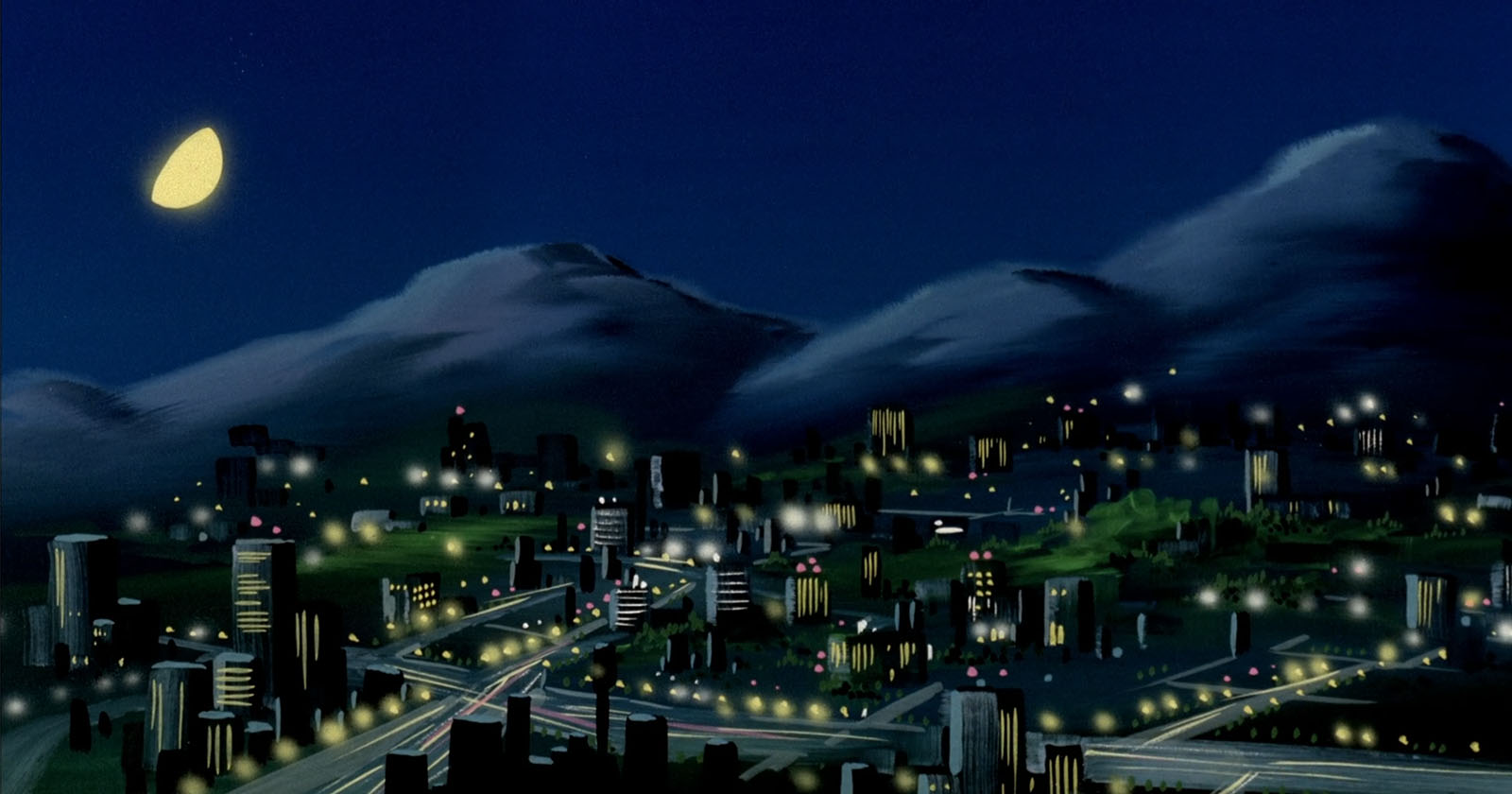
Why a Former Field Engineer Was Moved to the Core by Episode 13; Memories of “Warmth” That Cannot Be Quantified
Here in the suburbs of Sapporo, even from the window of my old apartment, the black earth, still caked with mud, has finally begun to reveal itself once more. As I listen to the ceaseless dripping of water from the eaves, I am overcome by a peculiar, restless sensation, one that feels at once as if I am being hurried along, yet also deeply relieved.
For those of us living in Hokkaido, the scent of this particular season, when a long, truly interminable winter finally begins to turn its back on us, holds a significance that transcends the mere changing of the seasons. This morning, I cooked a steaming bowl of warm porridge for my mother, whose appetite has begun to wane with age. My sister, my mother, and I sat together at a dining table that offered nothing new or extraordinary, yet was filled with a profound, quiet peace. Glancing casually at the television, I see a group of young people sharing a meal, laughing as they eat.
That simple sight, nothing more than that, feels blindingly bright to me right now. it violently shakes loose those “ordinary days” that lie buried deep within the recesses of my distant memories. I recall the dining table I once shared with my late wife, and our home back when it was brimming with life. Though those lost moments can never return, I find myself cherishing this very instant, right here, right now, as I slowly sip my bowl of rice porridge.
I worked in the oil industry for 32 years, involved in everything from facility maintenance to customer service. The “field,” the front lines of industry, is no place for abstract theories or pretty platitudes. it is a raw, gritty crucible of human endeavor. Perhaps that is precisely why, when I look at the text generated by the AI I’ve recently begun studying, text that is flawless and airtight, yet somehow utterly devoid of human warmth, I find it utterly off-putting. The very word “efficiency” feels cold to me, like a patch of snow lingering stubbornly in the shadows.
What I yearn to write are words that are, well, more human. words that are perhaps a bit clumsy, yet imbued with the warmth of a living body, the kind of warmth that might fog up one’s glasses, just like the steam rising from a bowl of hot porridge. Holding that wish in my heart, I once again pull out my old transcription data.
Today, I would like to take a look back at Episode 13 of Space Battleship Yamato, a true masterpiece of Showa-era anime. Please do not mistake this for some sophisticated critical analysis of sci-fi animation. rather, think of it simply as the musings of an old man entering the twilight of his life.
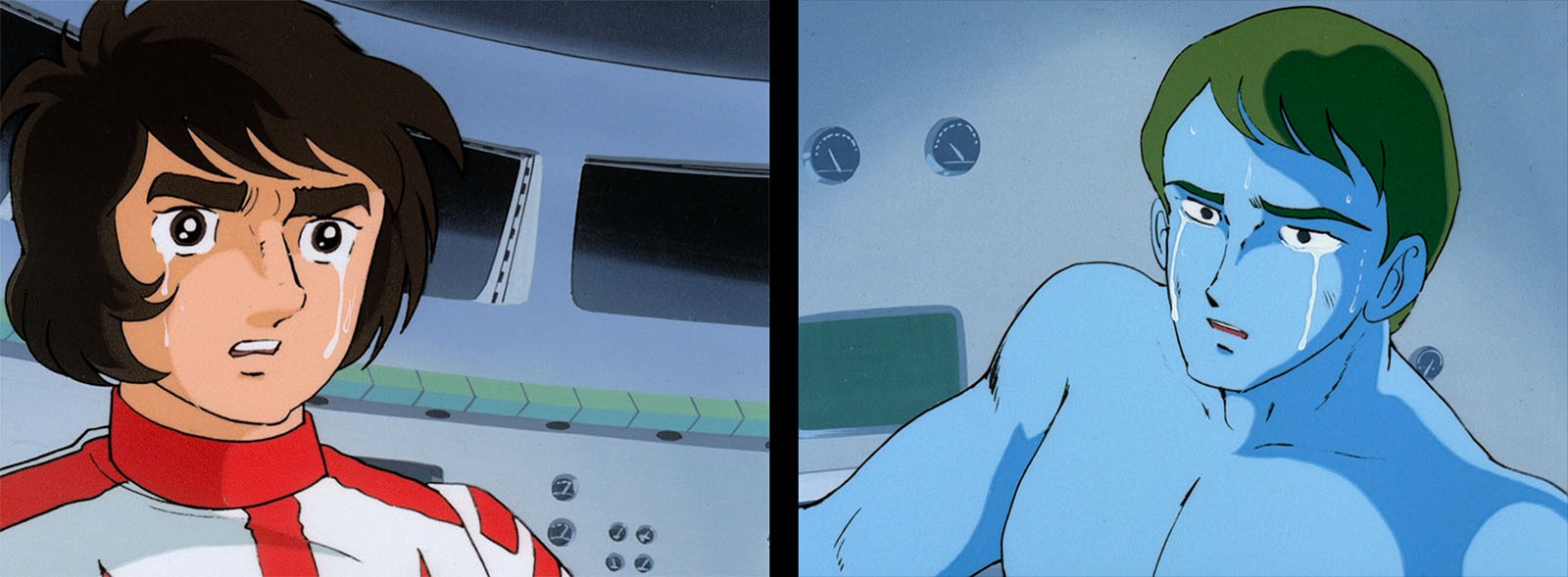
What You Will Learn from This Article:
The cruelty and stark reality of war, depicted through the physical similarities shared by Gamilon soldiers and Earthlings.
The backstory of Susumu Kodai, who lost his family to the war, and a portrayal of him as a relatable human figure grappling with the urge for revenge.
The ultimate humanity and dignity embodied in Captain Okita’s decision to provide food to the enemy and send them safely on their way.
“Do you ever feel a little weary of the modern world, where nothing seems to matter but efficiency and speed?”
This article was written specifically for you, those in your 50s and 60s who once felt your hearts race with excitement over Space Battleship Yamato, and who now strive to live each day to the fullest. Rather than the “correct answers” derived by the latest AI, I have discovered, within a masterpiece from half a century ago, the “warmth of life” that is known only to those who have tightened bolts in the gritty trenches of the real world.
By the time you finish reading this article, a sense of human dignity that defies quantification, along with a warmth as comforting as a bowl of porridge, should be kindled within your heart.
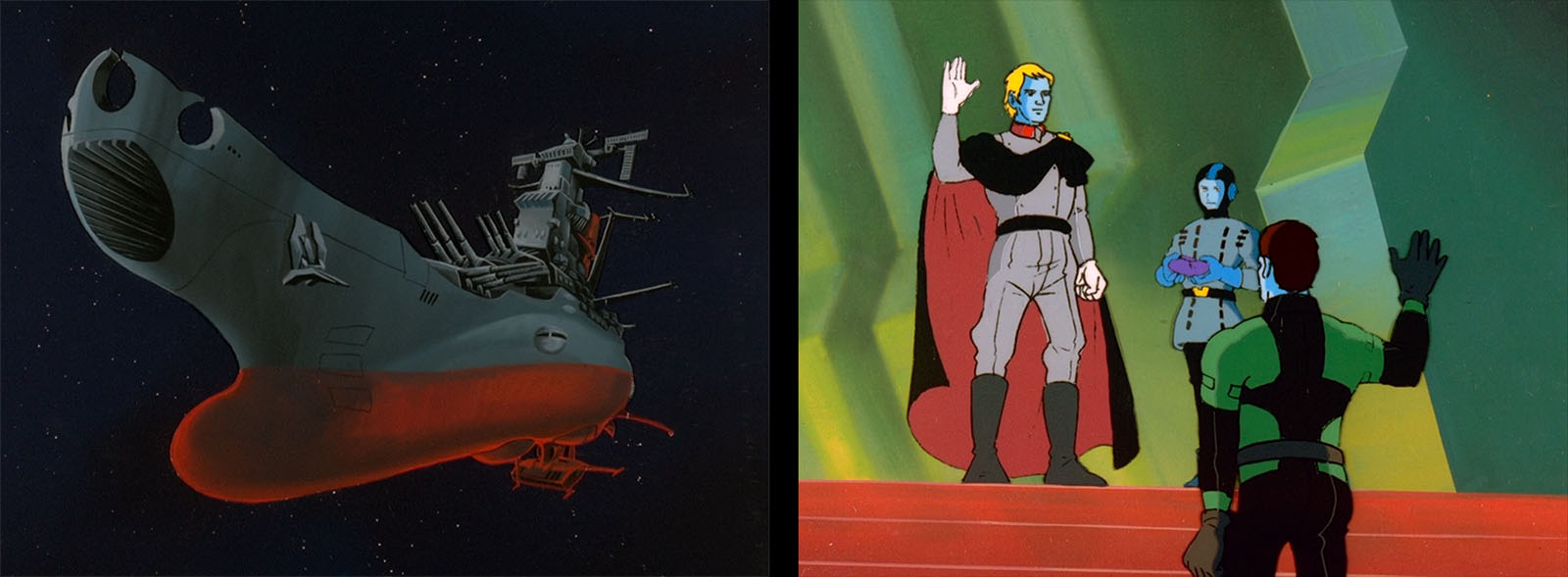
305 Days Until Earth’s Destruction: The Desperate Battle Situation Facing Yamato, and the Shadow of Domel
December, 2199 AD. Carrying the hopes of humanity, Yamato forges ahead in solitude through the pitch-black galaxy. Its destination lies 148,000 light-years away, the unknown planet Iscandar, located within the Large Magellanic Cloud. There, it is said, lies the “Cosmo Cleaner D,” the sole means of saving a dying Earth contaminated by radiation.
However, the voyage is by no means a smooth one. Yamato has faced the relentless traps of the alien civilization Gamilas, as well as supernatural threats posed by the boundless cosmos itself. For Yamato to halt its progress would mean nothing less than the extinction of the human race. Underground radiation, seeping ever deeper beneath the surface, continues to claim lives with a speed that makes every passing second a desperate race against time.
Meanwhile, deep within the Large Magellanic Cloud…
In the capital of the Gamilas Empire, the cold and ruthless Supreme Commander Dessler receives the general who has returned in triumph from the front lines.
“It appears this ‘Yamato‘ vessel has breached the Pluto Base and escaped beyond the solar system…”
As a subordinate delivers this report, Dessler smiles with an air of elegant amusement. To him, Yamato‘s desperate struggle is nothing more than a source of “idle entertainment.” Little does he know that this very arrogance will eventually be the undoing of his own destiny…
In this episode, the renowned General Domel makes his first appearance alongside the cold-hearted Dessler. As I watched his imposing figure receiving his decorations, a thought suddenly occurred to me: Doesn’t the enemy also possess a pride they must defend, and families waiting for their safe return?
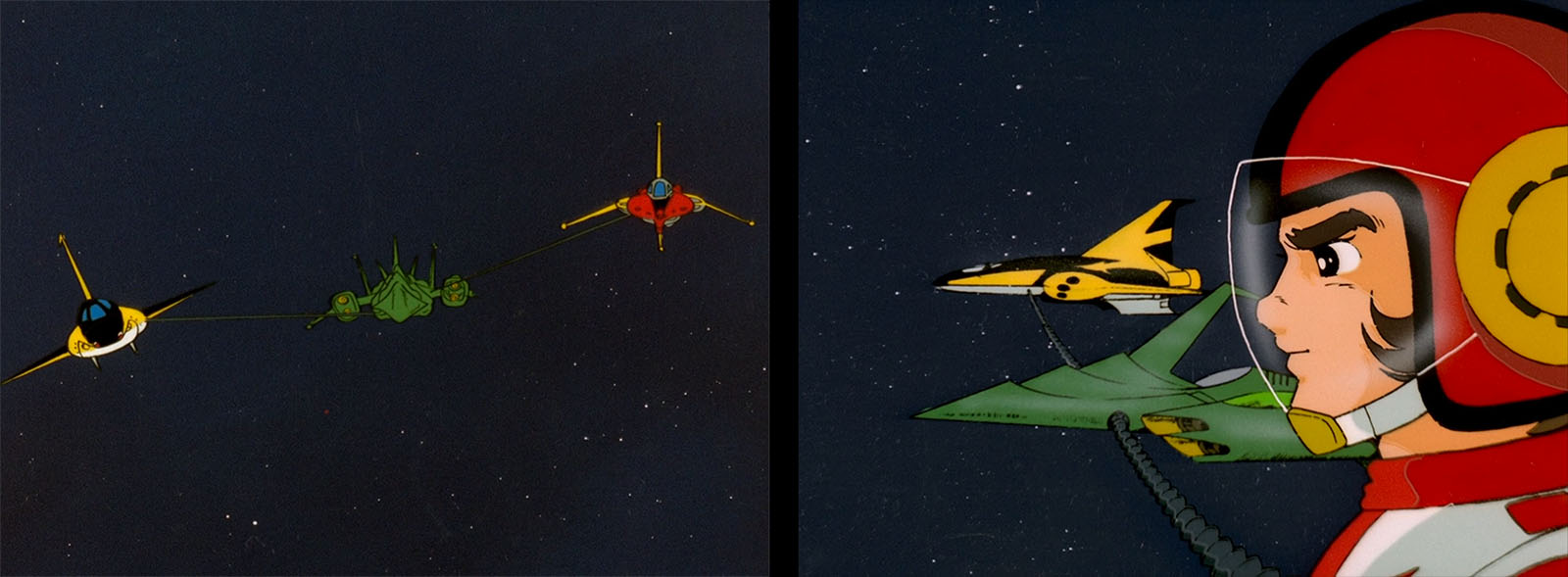
The First Captive: Susumu Kodai’s Encounter with a “Living Gamilan”
Aboard Yamato, Susumu Kodai is on patrol duty along the ship’s flight path, serving alongside the Black Tiger Squadron led by Saburo Kato. Amidst this grueling mission, one that demands constant, razor-sharp vigilance, Kodai and his team spot an unidentified flying object. Kato’s shout rings out over the radio.
“Point X-11! Speed: 8 space knots! No mistake, it’s a Gamilas fighter craft!”
To let even a single craft slip past would mean completely compromising Yamato’s current location. After a fierce dogfight, Kodai and his team manage to capture a single drifting Gamilas vessel. It marks humanity’s very first encounter with a “living Gamilan.” They bring the unconscious captive back aboard the ship. From that moment on, the story transcends a mere exchange of weaponry, confronting us instead with profound and weighty questions.
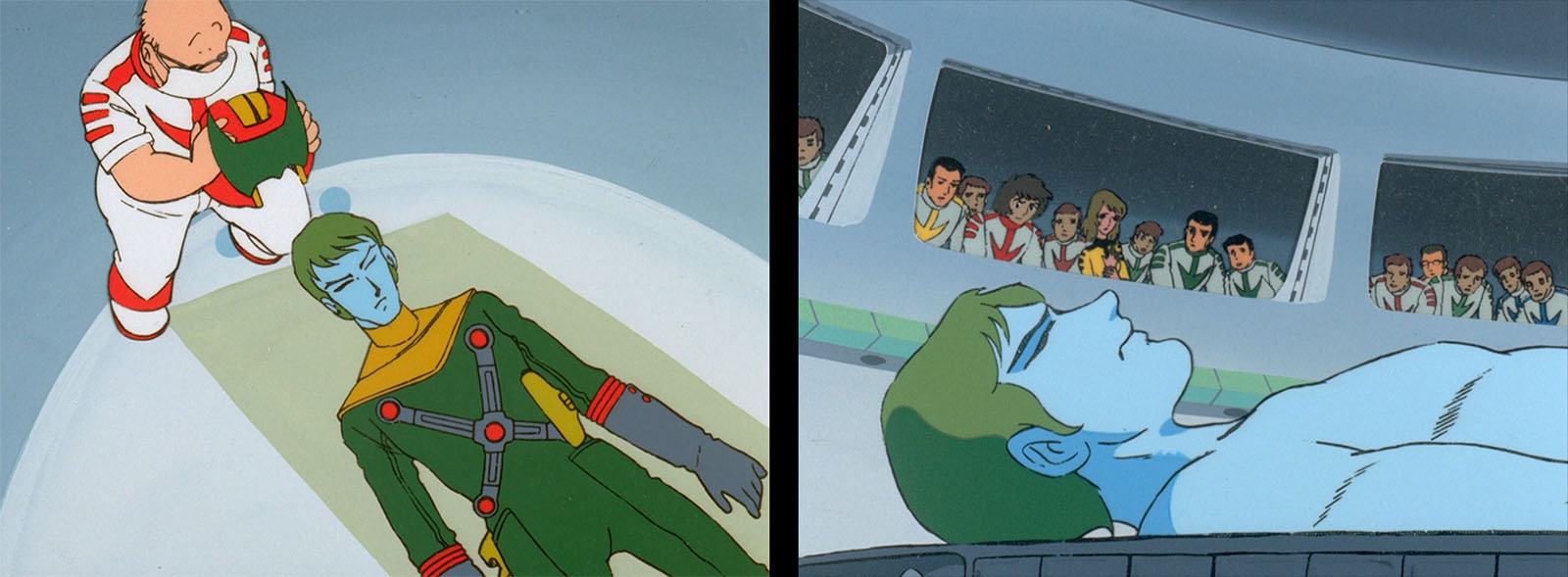
Shocking Biological Data: Pulse 90, Respiration 15, Gamilas and Earthlings are “The Same”
The scene in this episode that stirred the deepest unease within me was the physical examination of the captive. Dr. Sado, the ship’s veterinarian, is tasked with examining the alien. At first glance, the situation appears almost comical. yet, the biological readings revealed during that examination are anything but a laughing matter.
Inside Yamato’s infirmary. Dr. Sado commences a meticulous examination. As crew members look on, the vital data of a Gamilas soldier flashes across the display screens, one reading after another.
Pulse: 90. Respiration rate: 15. Blood composition… Brain volume: 1,600 cubic centimeters.
And the atmospheric composition required for respiration: 20% oxygen and 2% carbon dioxide…
“Why, he’s human. He’s no different from us, not in the slightest.”
At Dr. Sado’s murmured words, everyone freezes.
“You see…they’re hardly any different from us humans.”
“Their skin is blue, that’s the only difference.”
For 32 years, I’ve seen all kinds of people out in the field. No matter their nationality, or even if they have a twisted personality, red blood flows if they get injured. And they get hungry, just like anyone else. Strip away the uniforms and look at them through the cold, dispassionate mirror of medical data, what stands before you is, undeniably, a “life.”
The Gamilans, too, those who come from the Large Magellanic Cloud, are beings of flesh and blood, just like us. I am convinced that this very realism, cruel as it may be, is precisely why Space Battleship Yamato transcends the realm of a mere morality tale of good versus evil.
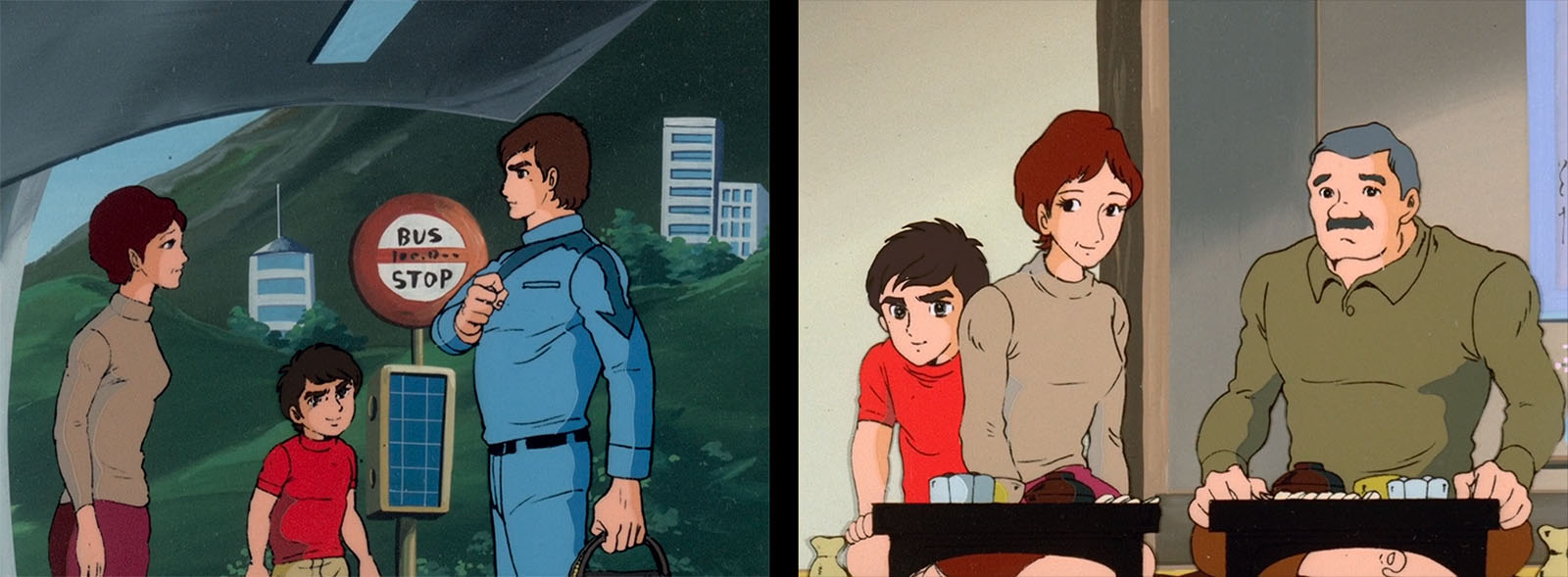
Susumu Kodai’s Harrowing Past; Family Harmony Stolen by the “Planet Bombs,” and the “Root of Hatred”
This revelation sends a violent shockwave through Susumu Kodai’s heart. The enemy they are fighting is not a monster, but a being possessing the same intellect, one that breathes the same air they do. The magnitude of that shock drags Kodai back into the memories of a distant past.
In Kodai’s memories, Earth was still blue and beautiful. We see a village nestled in a corner of the Miura Peninsula, where a gentle sea breeze always blows. Back then, a middle school student at the time, Susumu Kodai was just an ordinary boy, eagerly awaiting the return of his older brother, Mamoru.
The year was 2192 A.D. Susumu was still a middle schooler, too young to ever doubt the existence of peace. His brother, Mamoru, was away at training school. For Susumu, those moments of family togetherness must surely have been his most cherished treasure.
“Mamoru, haven’t you managed to uncover any information? Who is the culprit dropping those bombs?”
Even as the young boy, Susumu, pressed him for answers, Mamoru offered only a gentle, yet somehow sorrowful, smile.
“I don’t know. But I will fight. To protect this beautiful Earth.”
It may well have been the last peaceful supper the family would ever share together.
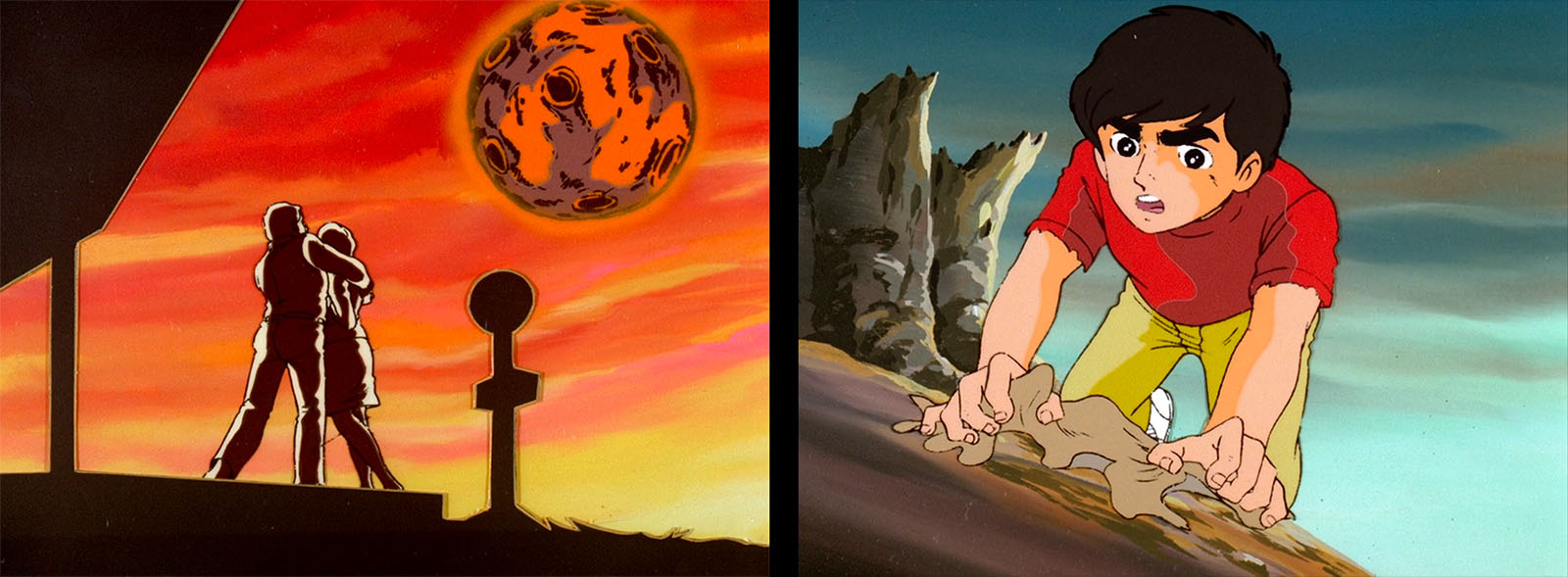
The End of Paradise, The Baptism of the Planet Bombs
The fateful day: April 20, 2192 AD. The indiscriminate attacks finally reached the Japanese archipelago. A massive surge of energy crashed at the foot of Mount Fuji, reawakening the dormant volcano and scorching the very earth.
“Mother, I have to leave immediately.”
Having received an emergency summons, Mamoru departed for the battlefield without even a moment to bid his loved ones a proper farewell.
In the months that followed, Earth fell into utter ruin, becoming a mere shadow of its former self. The skies turned crimson, the seas dried up, and humanity raced to construct underground cities in a desperate bid to escape the deadly radiation.
The summer of the following year, 2193. The time for evacuation was fast approaching for the residents of the Miura Peninsula as well. Having completed their evacuation formalities, Susumu’s parents stood beneath a cherished tree, a place steeped in memories, and gazed upon it, seeing within it the reflection of their younger selves.
“It was beneath this very tree that I promised to marry you, wasn’t it?”
“Yes, I remember. You were waiting for the bus that day…”
It was a conversation that spoke of days when peace was simply taken for granted. However, moments later, a light glared down from the sky and stripped everything away: his parents, his hometown, and the boy’s own innocent heart.
Yet, for Susumu Kodai, discovering that his adversary is a fellow human being offers no solace. it serves only as the spark that ignites a raging fire of fury within him. The past recounted here is heartbreakingly poignant: a humble, warm dinner table shared with loved ones, snatched away in an instant, without rhyme or reason. Contemplating the sheer depth of that loss, and speaking as a fellow human being who cherishes his own family just as deeply, my heart aches so intensely that I find myself utterly speechless.
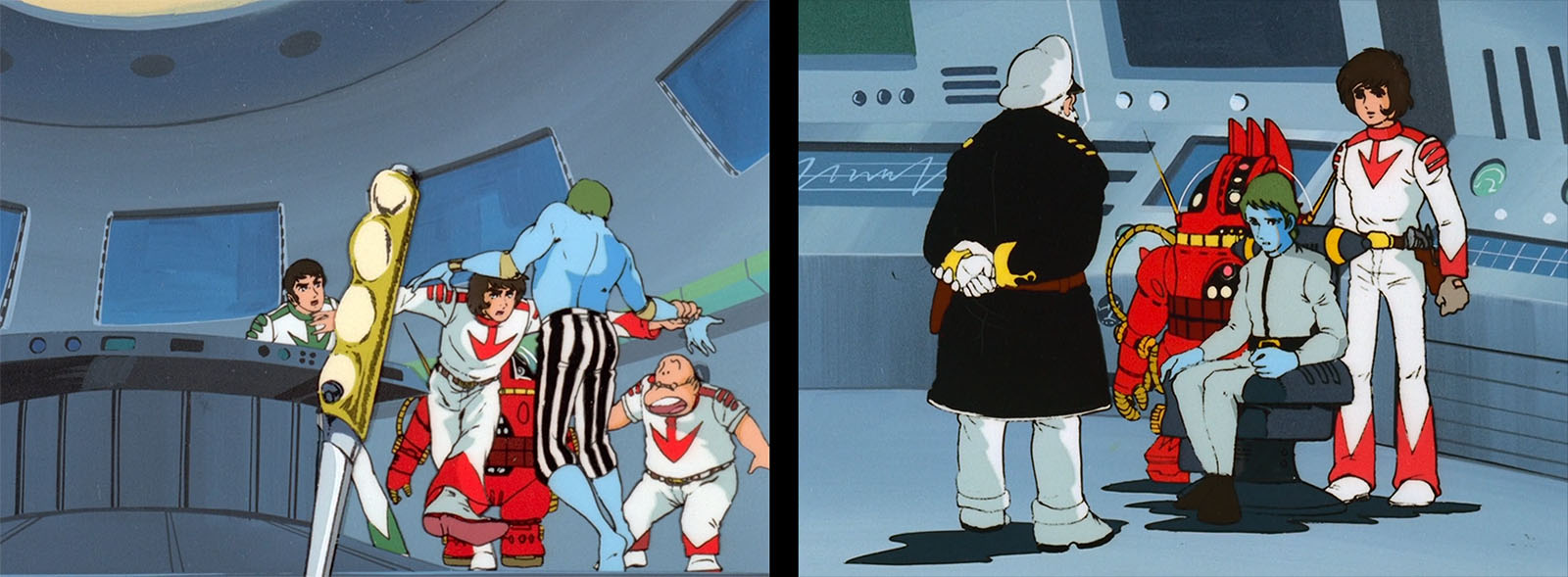
Feeding the Enemy and Sending Them Home: Captain Okita’s Decision, A Display of “The Last Vestige of Human Dignity”
Snapping out of his reverie, Kodai finds himself standing before the bound, blue-skinned Gamilas soldier. These are the ones who shattered those peaceful days. These are the ones who stole my father, my mother, and my brother.
Consumed by a thirst for vengeance, Kodai moves toward the prisoner, only to be halted by the voice of Dr. Sado.
“Kodai, stop it! What good comes of mistreating a prisoner? No matter who your enemy may be, never forget the sanctity of life.”
Confronting Kodai in his vengeful fury, Okita makes a deliberate choice: he orders the release of the Gamilas soldier.
“Yamato’s food situation is dire enough as it is. We cannot afford to carry any unnecessary cargo. Give him a meager ration, just enough, and send him back.”
Susumu Kodai, though momentarily consumed by hatred, finds himself shouting these words the instant the despairing prisoner attempts to take his own life: “If you’re truly human, then realize the preciousness of life!”
Perhaps, in speaking those words, he is also trying to convince himself.
Subsequently, Captain Okita orders the repair of the prisoners’ craft, provides him with precious food rations, and sets him free. Yamato’s own food supply is in a desperate state, stretched to the absolute limit. Yet, they feed their enemy and send them home. To me, this represents the ultimate human dignity, the greatest expression of humanity itself.
The released Gamilas soldier departs, his demeanor a mixture of bewilderment and hesitation. As Kodai gazes after him, his heart swirls with complex, ineffable emotions, feelings far deeper than mere hatred. What shadow will this cruel truth — that the enemy, too, is human — cast upon the battles that lie ahead?
Even amidst the grime and chaos of a worksite, a simple, final gesture of concern, such as asking, “Have you eaten?” can serve to mend human relationships that are on the verge of collapse. Having witnessed such scenes countless times myself, Captain Okita’s decision resonated with me on a level that transcended mere logic.
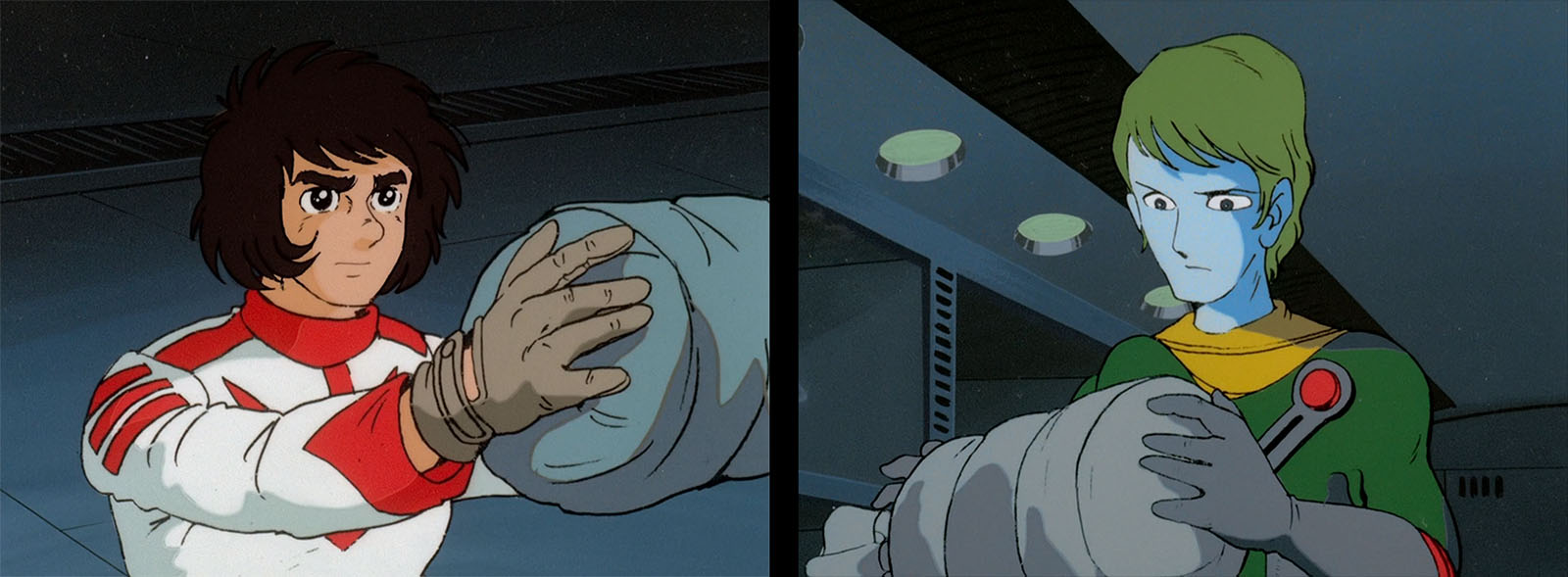
Summary: “Respect for Life,” A Value We Need Now, in 2026. To You, Navigating the Clumsy, Muddy Paths of Spring
The prisoner has departed, and Yamato returns once more to the dark expanse of the cosmos. Displayed on the screen is a merciless countdown: “305 Days Until Earth’s Destruction.” It is a number capable of instantly freezing the lighthearted, buoyant spirits of spring. Yet, precisely because of this number that marks a visible end, the brilliance of every fleeting moment of life shines all the more brightly.
The voyage continues. Facing the Gamilas, beings akin to “reflections of themselves in a mirror,” they must pull the trigger for the sake of the Earth they are sworn to protect. With thoughts of his late parents and brother held close to his heart, Susumu Kodai once again sets his sights upon the route to Iscandar.
Outside the window, amidst the muddy thaw of melting snow, tiny sparks of life are beginning to sprout.
No matter how harsh the winter lingers, no matter how unjust the sparks of war rain down, life strives to endure and connect. An AI could likely summarize this emotion far more efficiently. But it seems that these feelings, so frustratingly elusive, so stubbornly irreducible, are something that even the latest technology cannot translate.
Spring in Hokkaido is muddy and clumsy. But that is precisely what makes it good.

In Conclusion: An Old Man’s Musings
Having spent 32 years on the front lines of an auto-gas station, grappling with the screech of bolts and the wear and tear of metal, I know this much: If you neglect maintenance, a machine will eventually develop irreparable cracks. Likewise, the streets of Sapporo, buried deep beneath the muddy slush of winter’s thaw, invariably reveal the hidden scars they’ve sustained once spring arrives.
The tears Susumu Kodai shed in Episode 13 were, I believe, the manifestation of just such a crack in the heart, a fissure that had widened until it could no longer be contained, finally overflowing in a torrent of emotion. It was by no means a cheap, facile anger or hatred directed at the Gamilas, the very beings who had robbed him of his family.
Rather, it was simply a sorrow; heavy, pure, and utterly without a place to go. By all rights, he could have been consumed by crimson hatred and pulled the trigger without anyone batting an eye. yet, instead, he simply appealed to the prisoner’s very soul, crying out: “If you’re truly human, then you must recognize the sanctity of life!”
I am convinced that this cry of his, so earnest it borders on naivety, born of a belief in love and an utter inability to tolerate any act that would betray it, is the very essence that flows like a living pulse through the entire Yamato saga.
The human heart is not built to be so sturdy that it can be neatly resolved through mere efficiency or logic alone. Just as in the mud-caked trenches of a worksite, where a simple, caring inquiry, “Have you eaten yet?” is often what binds people together in the end. so too must the human spirit be tended to with care, whether by the hands of another or through one’s own conscious effort, before it breaks down and ceases to function. I ask you now: Have you, in recent times, taken the time to gently mend the cracks and frayed edges of your own heart, either through the help of another, or by your own hand?
To you, who have taken the time to read this article: I want to convey that, no matter how freezing the night may be, there is always, somewhere, a warmth waiting for you, much like a bowl of hot porridge. Furthermore, I hope that you will look past the skin color or social standing of the person before you, and instead perceive the shared pulse of life beating beneath the surface. That is my sincere wish.

Key Characters
Susumu Kodai
Yamato‘s Combat Chief. In this episode, he faces a fierce internal conflict as he confronts both his hatred for the Gamilas, who took his family from him, and the stark reality that his adversaries are, in fact, “human.”
Juuzo Okita
Captain of Yamato. Though strict, he possesses a deep sense of compassion. he demonstrates to Kodai the true meaning of “human dignity” by providing food to a prisoner of war and subsequently releasing him.
Sakezo Sado
Ship’s Doctor. Upon examining the prisoner, he discovers that the Gamilas people possess a physiological structure (and vital statistics) virtually indistinguishable from that of Earthlings.
Mamoru Kodai
Susumu’s older brother. He appears in flashback sequences. Having departed for the battlefield to defend Earth, he is portrayed as a poignant symbol of the Kodai family’s final moments of peaceful togetherness.
Saburo Kato
Commander of the Cosmo Tiger (Black Tiger) Squadron. While on patrol, he successfully spots and captures a Gamilas reconnaissance aircraft.
Leader Dessler
The absolute ruler of the Gamilas Empire. He displays an arrogant demeanor, viewing Yamato as nothing more than a “plaything” to amuse himself.
General Domel
A renowned and distinguished general of the Gamilas military. He makes his first appearance in Episode 13, at which time he is awarded a medal by Dessler.
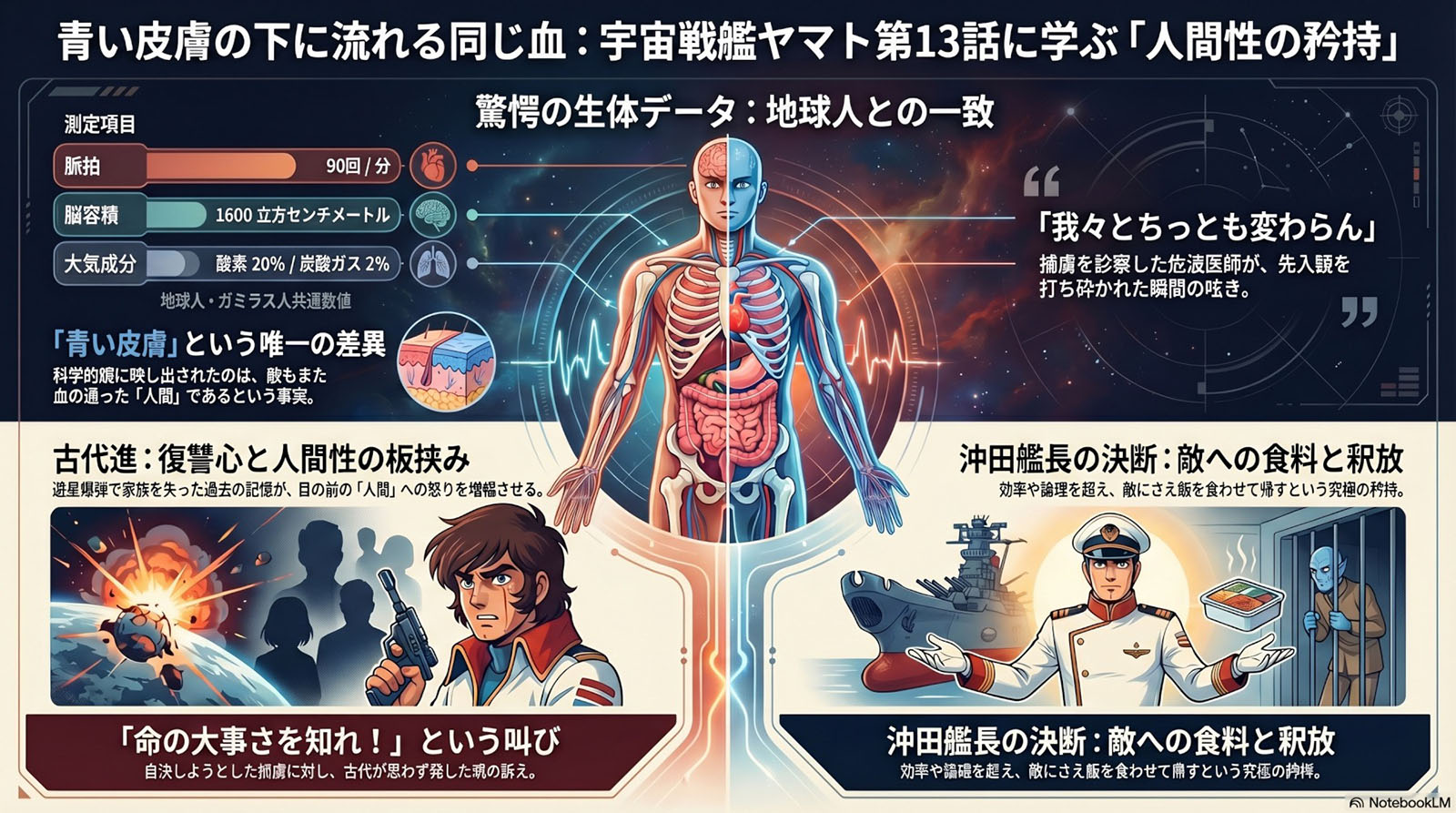
An infographic illustrating the central themes of Space Battleship Yamato, Episode 13. At the center lies an anatomical diagram highlighting the biological similarities between Earthlings and Gamilons. The top left displays shared physiological data, such as pulse rates and cranial capacities. the bottom left depicts Susumu Kodai, torn by thoughts of vengeance. and the bottom right portrays Captain Okita making the decision to provide food to the enemy and release them. Accompanying these images are the words of Dr. Sado: “They are no different from us.”
Science has proven a profound truth: “The enemy, too, is human.” In Episode 13, the specific pulse rate of 90 beats per minute serves as irrefutable proof that beneath the Gamilons’ blue skin flows a “pulse of life,” a vital force of ten thousand horsepower, identical to our own. Captain Okita’s decision to “purge” his desire for vengeance, going so far as to feed the enemy before sending them home, represents a form of supreme dignity that transcends mere efficiency and logic. It is a vital “infrastructure” that humanity must preserve and “deliver” into the future.
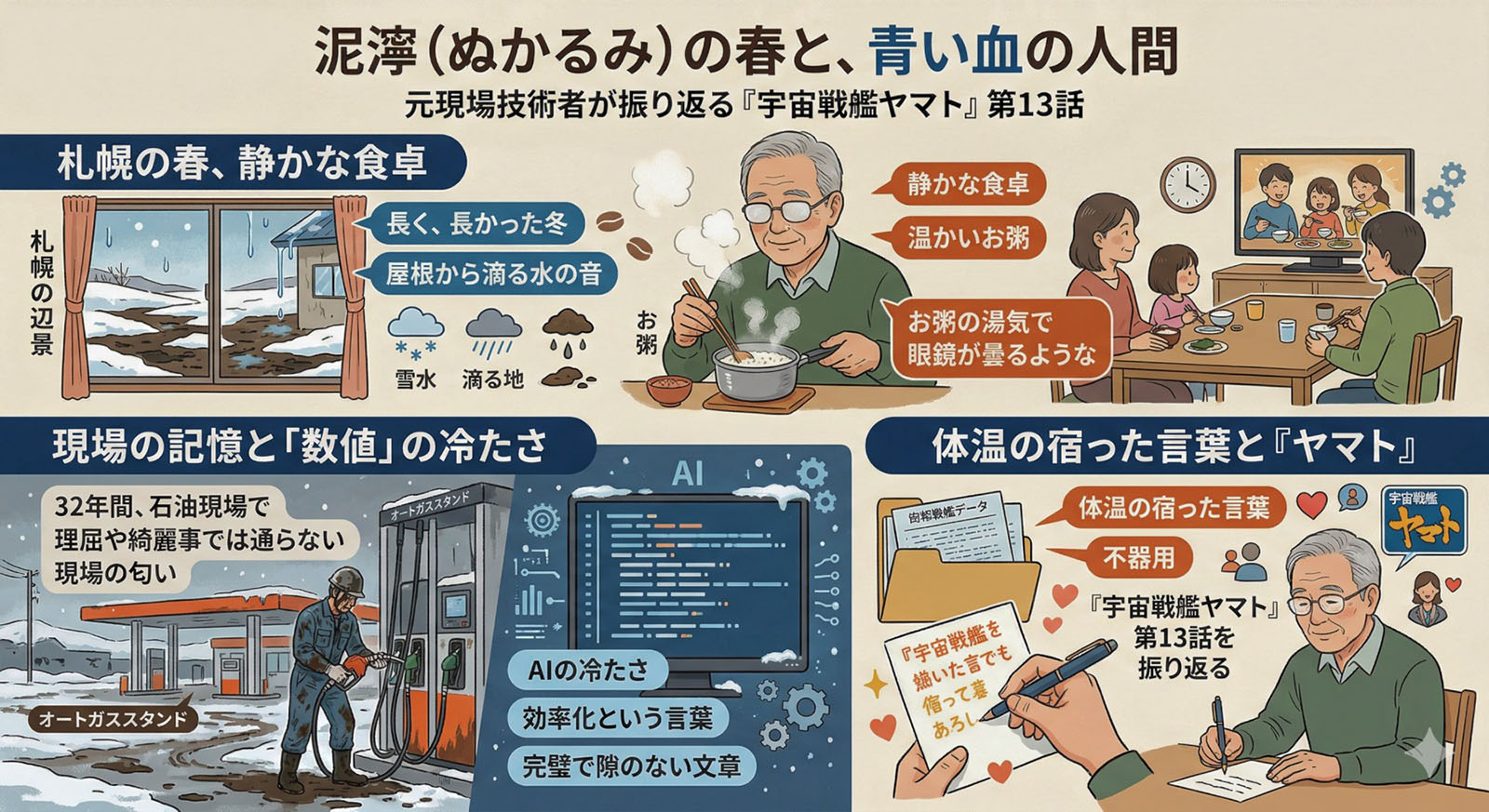
Depicted in the upper left is the thawing landscape of Sapporo. in the center, the peaceful twilight years of life, symbolized by a meal of porridge. in the lower left, memories of 32 grueling years working at an LPG fueling station, contrasted with the coldness of AI. and in the lower right, the act of chronicling the Yamato saga in words imbued with human warmth.
It is precisely this unquantifiable “warmth,” this human temperature, that serves to reboot Yamato from the very brink of despair. The force that stands against Domel’s machinations in Episode 13 is not cold, calculated efficiency, but rather the gritty tenacity of those who have known the mud and grime of the actual battlefield.
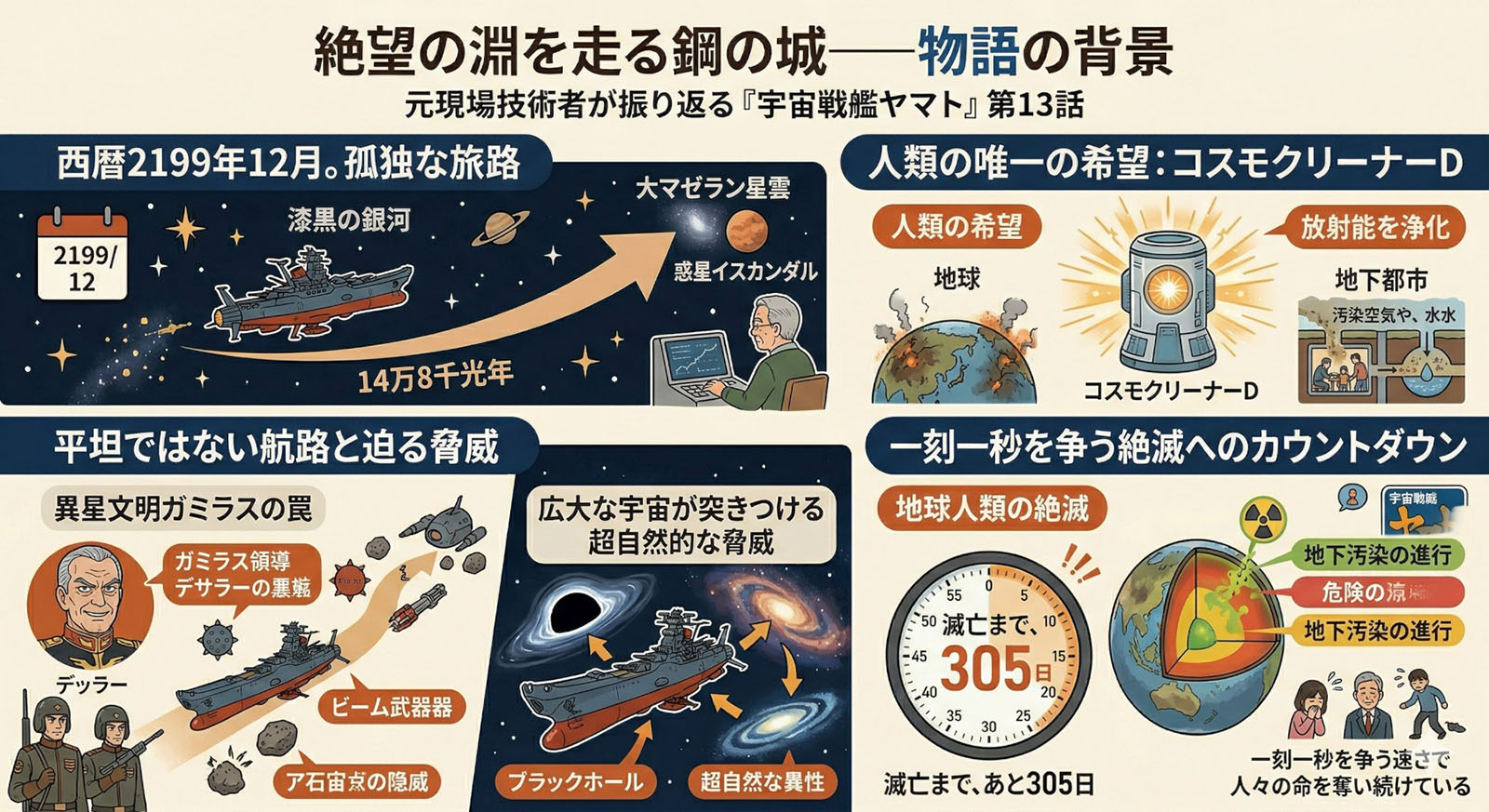
This infographic details Yamato’s flight path (top left), the “Cosmo Cleaner D” and the underground cities (top right), the Gamilas traps and cosmic threats (bottom left), and the countdown to human extinction (305 days remaining) alongside the status of Earth’s environmental contamination (bottom right).
Purge your despair. Reboot, and reignite, a hope with the power of ten thousand horses. Episode 13 depicts a double burden: the “human error” disguised as a Gamilas trap, and the “environmental toll” imposed by the vastness of space.
Thank you for reading all the way to the end.