
Thoughts after watching Episode 14
See the original blog post here
The season has arrived in the city of Sapporo when the streets become awash with the muddy slush of melting snow.
Listening to the heavy thud of snow sliding off the roof, and watching the steam rise from the porridge my mother (who suffers from dementia) and my sister are quietly eating, a thought suddenly occurs to me: Is it not, in the end, only that unquantifiable human “passion” that can break through a state of “unyielding stagnation”?
Let me state my conclusion upfront.
Space Battleship Yamato Episode 14 is not merely a work of science-fiction. Faced with the desperate schedule of a “60-day delay,” it presents an extreme, on-the-ground philosophy: one that casts aside numerical data to stake everything on “individual proficiency.”
From the perspective of a former engineer, who spent 32 years on the front lines of oil plants, discerning the “mood” of the piping with nothing but his fingertips, I will conduct a “structural analysis” of Daisuke Shima’s manual piloting and Captain Okita’s pivotal decision.
What You Will Learn from This Article:
The Essence of Decision-Making: Gain the courage to take that first step, even when 100% of the data is not yet available.
The True Value of Technology: Understand the critical importance of “bodily intuition,” a quality that can never be replaced by AI or mere efficiency.
Breaking Through Stagnation: Let the morning sun of the year 2200 give you the push you need to move forward, especially if you currently feel “paralyzed” by anxieties regarding caregiving responsibilities or your own future.
Let’s use the gritty, down-to-earth drama of these imperfect men to melt away the “cold snow” of our modern world, a world that seems to value nothing but efficiency.
The Countdown to Humanity’s Extinction, A Structural Analysis: How a “60-Day Delay” Pushes the Crew to the Brink
The single greatest factor preventing this series from being merely another sci-fi action flick lies in the structure of the cold, relentless countdown, the stark reminder “XX Days Remaining Until Humanity’s Extinction,” etched into every corner of the screen.
By the time of Episode 14, Yamato has been stalled in the Octopus Nebula for a full 20 days. According to the original plan, the 270-day total voyage was supposed to include a buffer of 92 days. Yet, they have already fallen 60 days behind schedule. Food supplies are down to a mere two months’ worth.
While this situation is depicted with relative efficiency and polish in the remake series (Yamato 2199), the crew in the original series is in a different story. “We ought to be searching for a ‘Second Earth’ right now, while we still have the chance,” they voice aloud, giving utterance to a despair they can no longer conceal.
It is this very structure, the inexorable deadline, that creates a palpable sense of realism in how it pushes human beings to their absolute limits. For someone like me, who spent years working in the field of auto-gas operations, constantly hounded by deadlines and facility management duties, this feels less like fiction and more like a vivid reality.
The Limits of Autopilot and the True Value of “Manual Control” — How a Former Engineer Was Moved to the Core by Daisuke Shima’s “Sense of Touch”
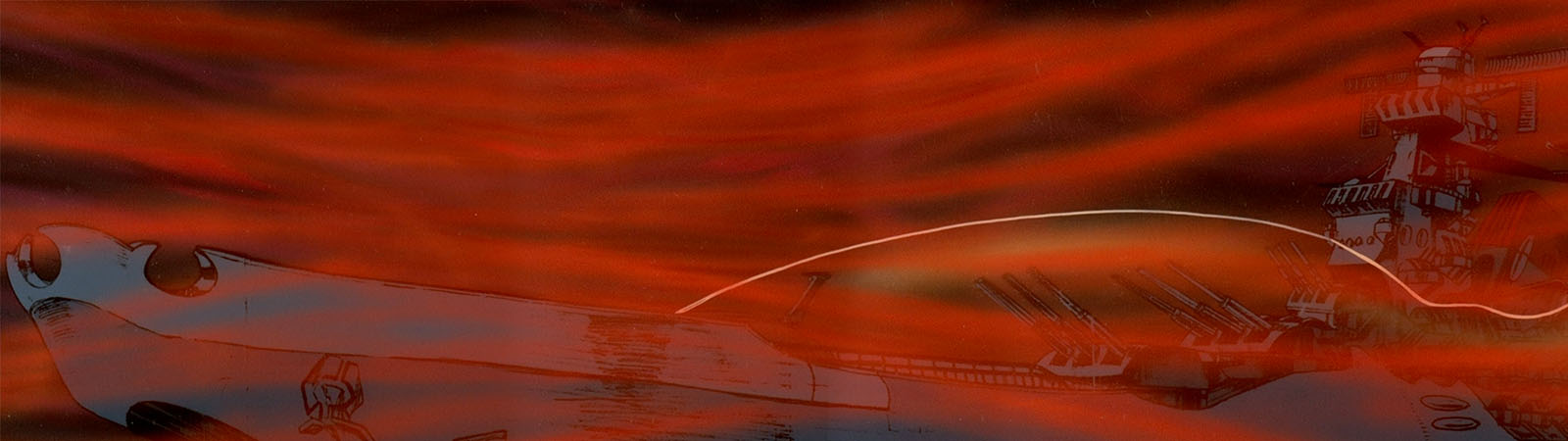
A truly iconic scene is the vessel’s passage through the strait of the Great Dark Nebula. The moment autopilot becomes impossible and Daisuke Shima switches to manual control, the mechanical hum of the ship fades away. all that remains is the creaking of the control stick and the sound of Shima’s ragged breathing. That particular depiction left me utterly speechless.
The clammy sweat seeping into his fingertips. the tactile sensation of perceiving the massive bulk of the ship through the slightest vibrations. This is a kind of “weight,” a visceral gravity, that simply cannot be conveyed through stylized, symbolic imagery alone.
During my own working years, I, too, would sometimes gauge the “mood” of aging pumps and pipelines solely by the faint tremors I felt in my fingertips. An AI would likely dismiss this gritty, hands-on process as “inefficient” and cut it out entirely. yet, in the real world, everything often hinges on that single, intuitive sense of touch.
“If only you were here with me right now…”
The bridge, in that moment, truly held the palpable weight of a solitary decision. A decision so heavy that it made one feel compelled to reach out and speak to a departed loved one, perhaps, for him, a late wife.
Captain Okita’s Philosophy of Decision-Making; A Breakthrough Strategy That Discards 100% Data Certainty to Bet on “Individual Skill”
As someone who has personally overseen operations on the front lines of an organization, I find Captain Juzo Okita’s leadership decisions deeply compelling. When Kodai and Shima clashed over the choice of navigation route, Okita chooses to stake his trust on Shima’s “hunch.”
“Caution is certainly necessary, but if we wait for 100 percent certainty, we will never be able to act. We must make a decision here and now.”
These words strike a particularly resonant chord with us in the modern age, an era in which we often find ourselves drowning in a sea of information. While respecting the objective metrics provided by the reconnaissance data Kodai brought back, Okita ultimately placed his unwavering faith in a more reliable variable: “individual “proficiency.” It is this very dynamic, the act of offsetting elements of uncertainty through intuition, that makes Yamato a truly one-of-a-kind vessel.
Compared to the polished animation standards of today, the artwork in Episode 14 of the original series is admittedly somewhat inconsistent. Yet, it is precisely this “imperfection,” this subtle wavering, that serves to heighten the cathartic impact of that pivotal moment: the dawn of the year 2200.
If the latest installments of the series can be likened to an intellectual puzzle, then the original series offers something else entirely: a visceral sense of liberation, much like the muddy, thawing earth after a long winter.
The sunrise that greets the crew on New Year’s Day, 2200 AD, emerging from the depths of the unknown outer cosmos, is not the product of flawless calculation. rather, it is the culmination of a “gamble” taken by a group of imperfect men who entrusted their very lives to one another.
Why is it possible to place one’s faith in something so inherently uncertain? That is a question that, if posed to an AI, would likely remain forever beyond its comprehension.
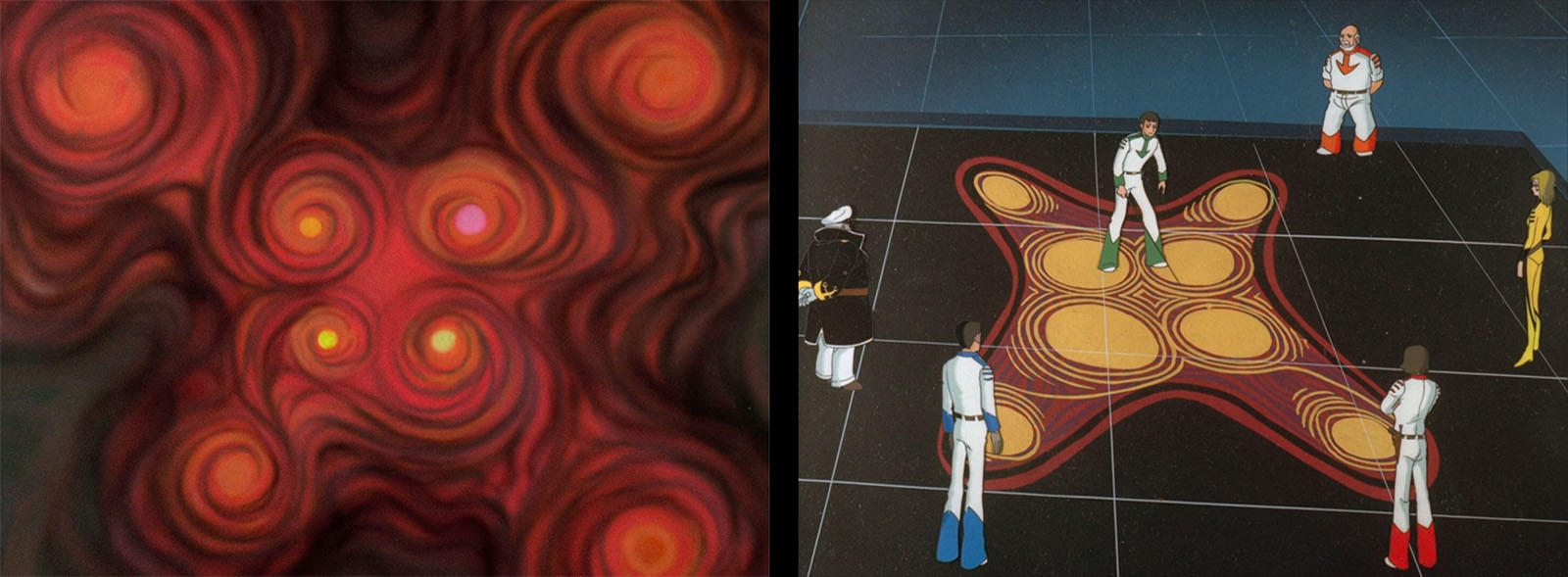
Breaking Through the “Octopus Nebula,” A Cosmic Gauntlet; The Wake of Trust Forged by Awkward Men
1. The Trap of the “Octopus Nebula,” A Galactic Hazard
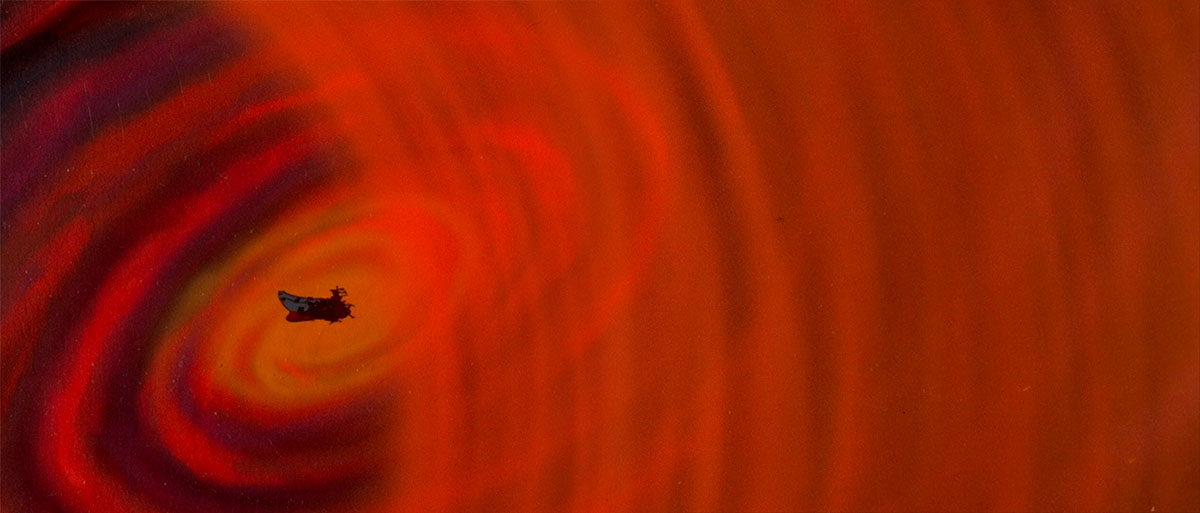
Far across the cosmos, Yamato continues its solitary voyage toward Iscandar. However, standing squarely in its path lies one of the greatest hazards in the galaxy: the “Octopus Nebula.” It is a turbulent region of space, a storm-ravaged sea where eight young “semi-solid” protostars, still in the process of coalescing into fully formed stars, are packed tightly together.
These protostars generate torrents of energy resembling violent currents of water. With radiation and atomic clouds swirling all around, the nebula appears, quite literally, like a colossal cosmic washing machine. Furthermore, the entire perimeter is shrouded in a thick “Great Dark Nebula,” leaving Yamato completely cut off from both visibility and any avenue of retreat, forcing the ship to remain stranded for a grueling twenty days.
2. Confronted with a “Schedule of Despair”
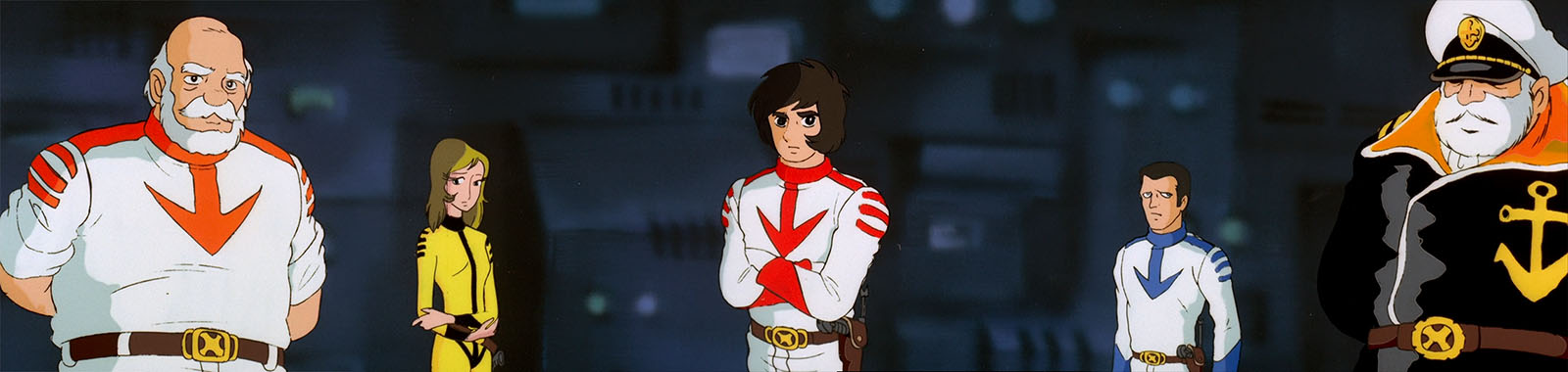
As a sense of mounting anxiety permeates the ship, the leaders of each division, including Susumu Kodai and Daisuke Shima, are summoned to the Earth Operations Room. There, the reality presented by Shima, the Chief Navigator, is starkly grim.
According to the original plan, the ship was to break through the solar system within 10 days of departure, and exit the Milky Way Galaxy within another 10 days. It was scheduled to reach the halfway point, Planet Balan, in 45 days, arriving at Iscandar after a total of 140 days. The entire voyage, including a stay at Iscandar and the return trip, was projected to take 270 days.
However, reality is unforgiving. At this point in time, they should already have been in the vicinity of Planet Balan, but Yamato has only just reached the exit of the Milky Way Galaxy. They have already incurred a catastrophic delay of 60 days. Less than a year remains until the extinction of humanity on Earth. Even if they proceed exactly according to schedule from this point on, the remaining margin for error is a mere 92 days. To remain stranded in this Octopus Nebula means, quite simply, the death of Earth.
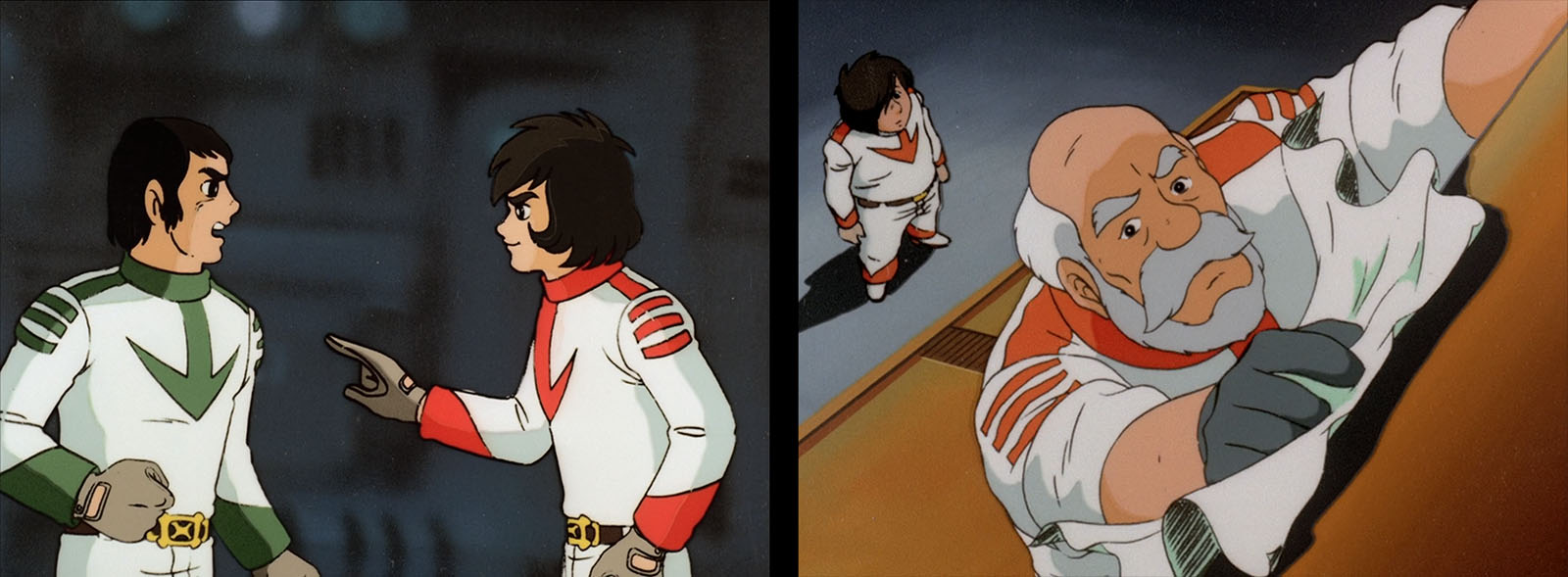
3. Clashing Young Warriors: Kodai and Shima
Unable to conceal his frustration, Kodai, the Chief of Combat Operations, presses his case against Shima, who steadfastly maintains his cautious stance.
“Why don’t we just set sail already?!”
However, Shima, too, has a reason he cannot compromise on. To bypass the Dark Nebula will take 40 days. Therefore, it will ultimately prove to be a shortcut to Iscandar if they could locate the “hollow” (or “strait”) that surely exists somewhere within this nebula, wait for the storm to clear, and then blast through it in a single push.
“Is this ‘strait’ even real? Did you see it with your own eyes?”
To Kodai’s interrogation, Shima replies: “It’s my gut feeling.”
“This is no joke! Yamato’s voyage isn’t a game of Shogi. There are no ‘take-backs’!”
Shima argues for holding their position, trusting his intuition over scientific data, while Kodai clamors for immediate forward progress. The rift between the two casts a dark shadow over the morale of the entire ship.
4. The Creeping Temptation of a “Second Earth”
Confined within the ship’s sealed interior, facing a delay with no end in sight, a sense of unease born of despair begins to spread among the crew.
“Shouldn’t we be thinking about relocating humanity to this ‘Second Earth’ while we still have the chance?”
“If we’re going to turn back, now is the time.”
Such defeatist whispers begin to escape even the lips of the veteran crew members.
However, this is precisely Gamilas’ objective, and a trap into which humans, pushed to their absolute limits, are prone to fall. Captain Okita, sensing this oppressive atmosphere, continues to wait patiently for the right moment.
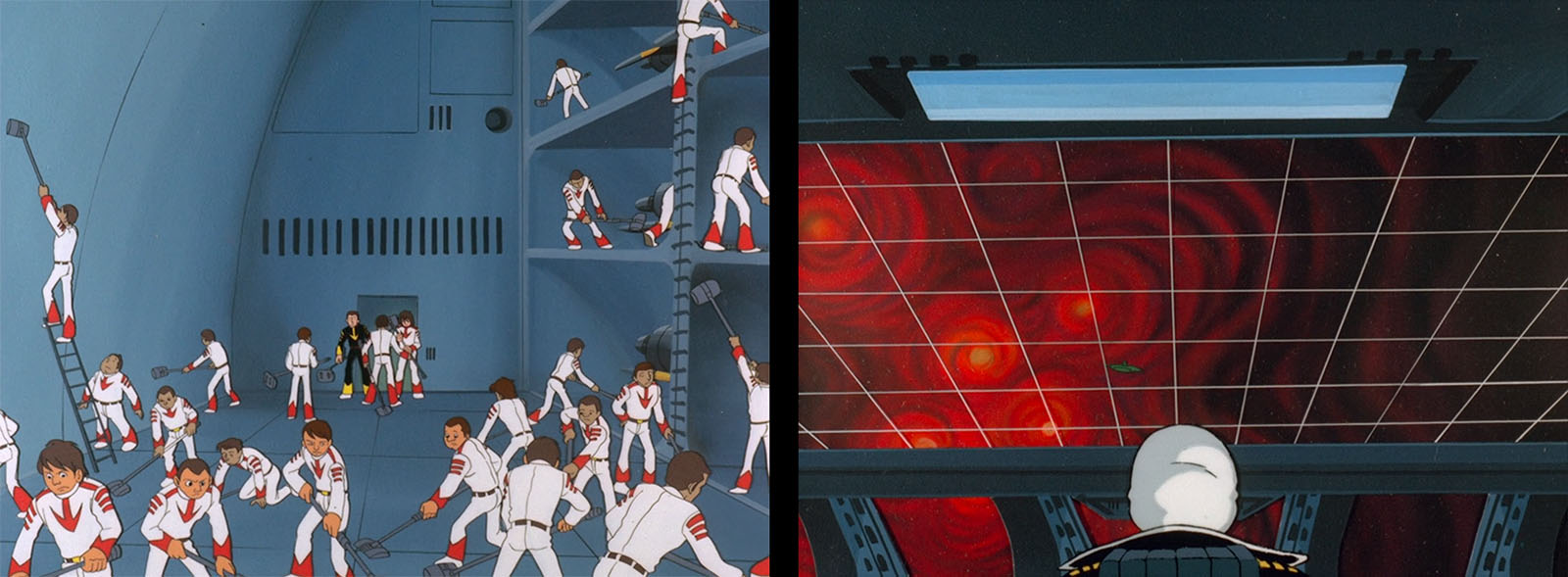
5. Kodai’s Reckless Initiative and Okita’s “Tough Love”
Unable to sit still, Kodai launches in his Cosmo Zero, without the Captain’s permission, to verify whether the “strait” that Shima spoke of actually exists. Amidst a violent cosmic storm, Kodai risks his life to conduct reconnaissance. Upon his return from the mission, however, he is met with stern words from Captain Okita.
“Kodai, why did you take matters into your own hands? As punishment, you will give the hangar bay a thorough cleaning!”
As an accomplice, for failing to stop him, Saburo Kato is also ordered to join in the cleaning. However, this is also Okita’s own unique way of orchestrating a “reconciliation.” Through the simple, physical labor of cleaning, he allows them to vent their pent-up frustrations. Furthermore, with the New Year just around the corner, it is a deeply thoughtful gesture intended to clear the air and refresh the atmosphere aboard the ship.
6. A Break in the Storm: The “Strait” of Hope Revealed
Finally, the moment arrives. Shima, who has been intently monitoring the radar panel, shouts out:
“The storm has cleared!”
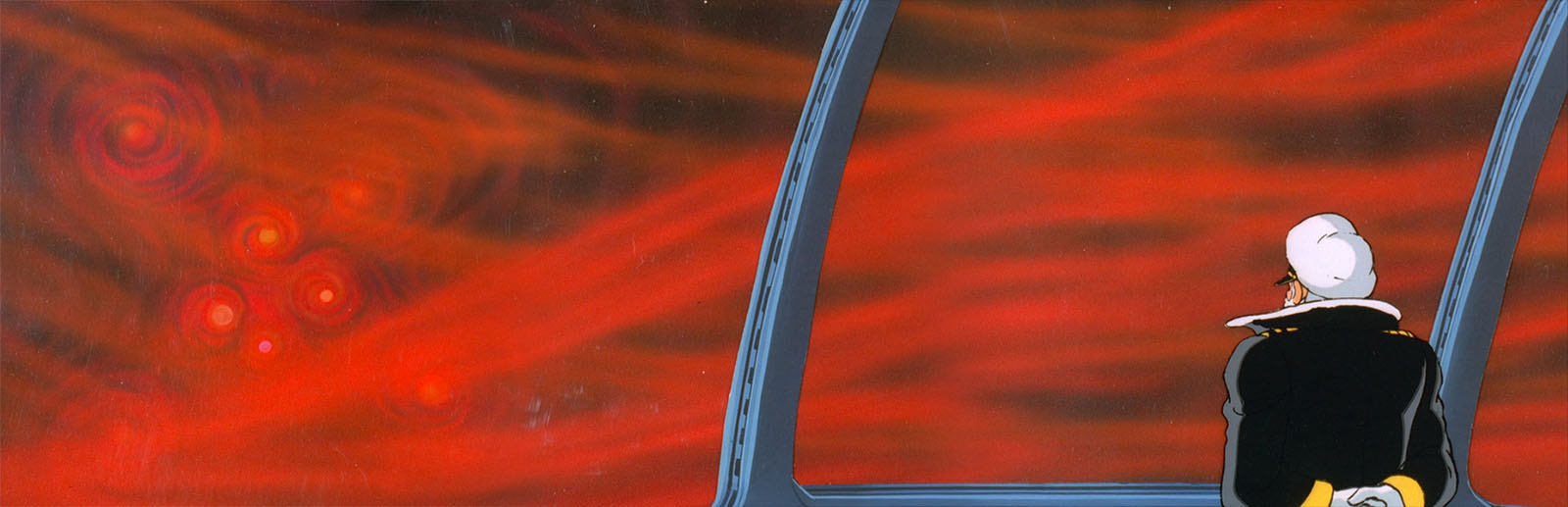
Beyond the now-open view, beneath a vortex of energy resembling a rushing current, a Gamilas reconnaissance vessel suddenly appears. Kodai immediately advocates for an attack, but Okita holds him back.
“Let it go. There’s no need for a pointless battle. The direction it came from…that’s where the strait must lie.”
The enemy ship’s wake itself serves as the guiding line to the long-awaited “cosmic strait.” Kodai flies out once again to investigate, and at last, he discovers a navigable opening.
“I found it! We can get through!”
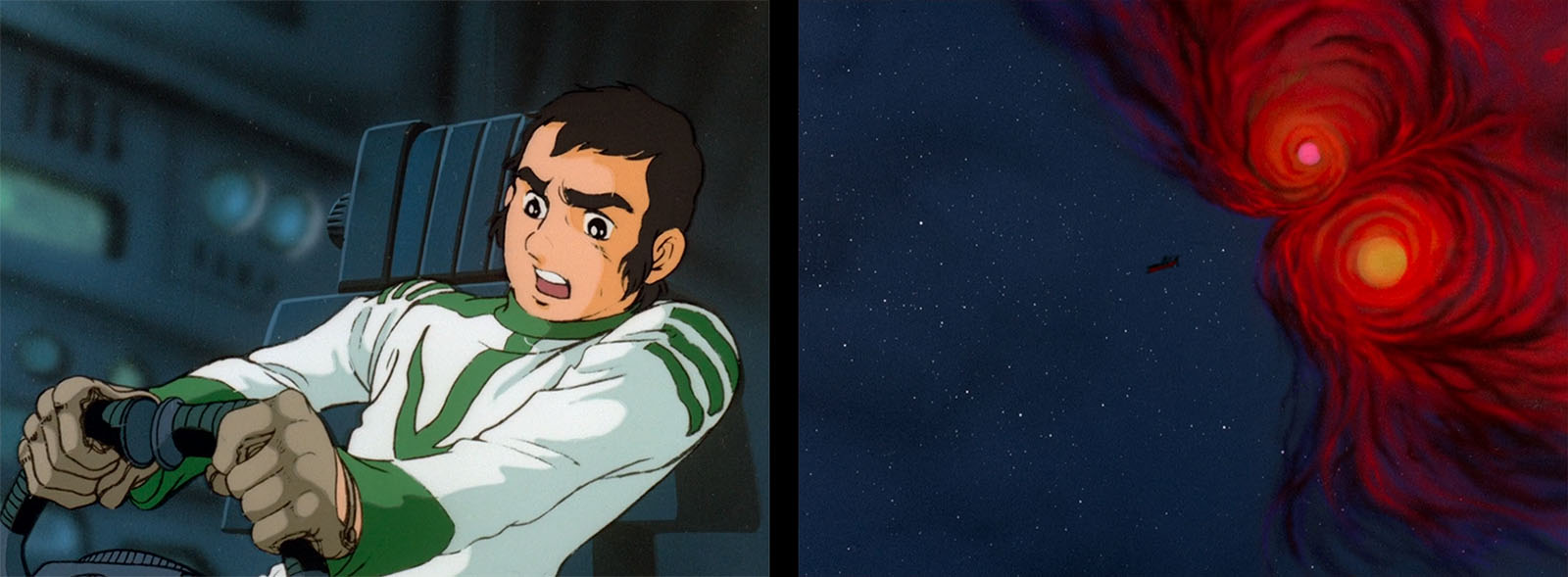
7. Daisuke Shima: A Tenacious Display of Navigation
“Shima, caution is necessary, but if we wait for 100% certainty, we’ll never be able to act. Let’s make the call right here.”
Acting on Captain Okita’s orders, Yamato finally weighs anchor. Once they break through the strait, a new year awaits them, along with the uncharted cosmos stretching beyond the confines of their own galaxy.
However, a fierce storm rages once again within the strait, rendering the autopilot inoperable. Yamato’s fate now rests entirely on the skill of one man: Shima, the Chief Navigator.
“Shima, I’m entrusting everything to your hands!”
At Kodai’s words, Shima grins with a defiant confidence. Their bond has healed to the point where they can once again trade lighthearted banter. Enduring violent impacts, Yamato finally punches through the darkness of the Octopus Nebula.
8. Leaving the Galaxy for the Great Unknown
January 1st, 2200 AD. Yamato has finally departed from its familiar home galaxy, venturing out into the void that leads toward the Large Magellanic Cloud.
At the same time back on Earth, the infiltration of radiation has reached a critical stage. the shadow of death is creeping deep beneath the very surface of the planet.
“Hurry, Yamato. Earth is waiting for you.” Just 280 days remain until humanity’s extinction. With that desperate countdown etched into our hearts, Yamato accelerates onward, speeding toward the light beyond.

In Conclusion: An Old Man’s Musings
The three-week standstill within the Octopus Nebula may well serve as a metaphor for those periods in our own lives when we feel “stuck,” unable to move forward. Anxieties regarding caregiving responsibilities, or worries about the future…there are nights when we find ourselves sighing, wondering just how we’ll ever manage.
Yet, if we accept the risks as Captain Okita did, and press onward by trusting our own instincts as Shima did, then surely, just as it did for Yamato, our own “New Year of 2200” will eventually arrive.
Outside the window, the sunlight has begun to linger a little longer each day. Now, as we catch the scent of soil thawing beneath the snow, take a moment to revisit this intense human drama. The sheer intensity of that era is sure to give your current decisions, whatever they may be, just the slightest push forward.
If you find yourself stalled or held back by something right now…
Please do not forget that beyond that darkness, a hesitant, awkward dawn is surely waiting for you.
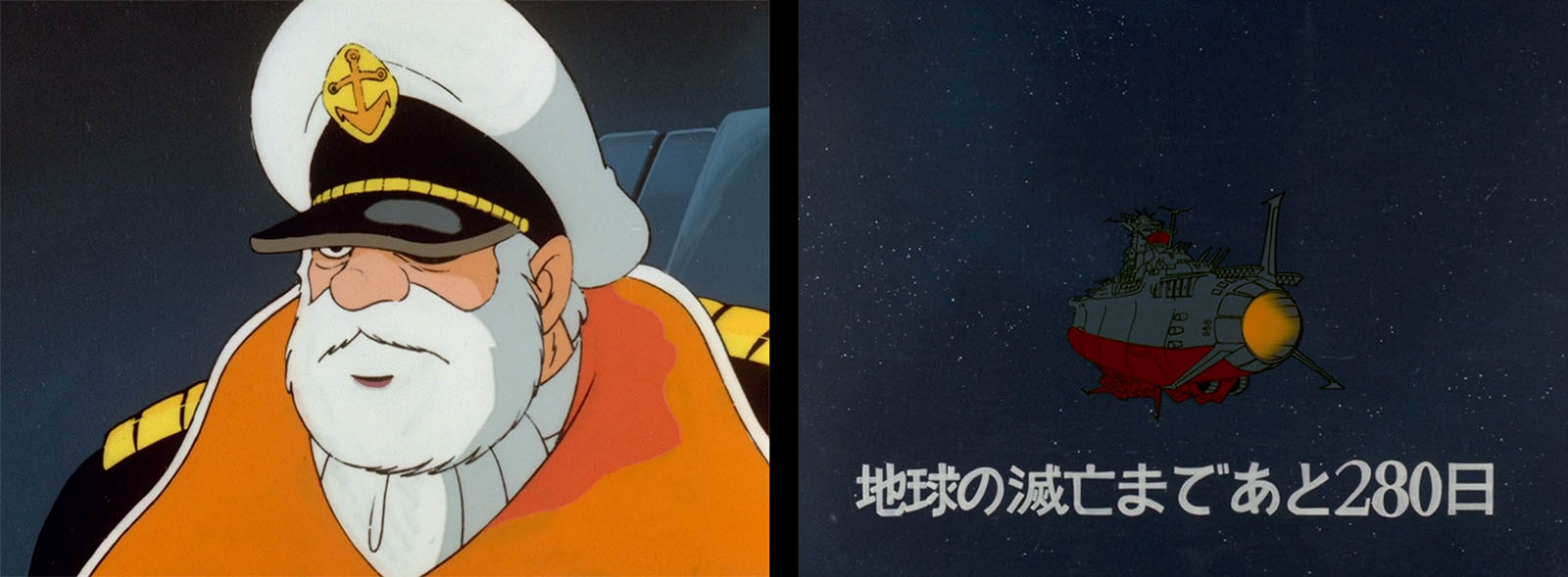
The Strength to Maintain Your “Normal Temperature” Amidst the Storm; Reflections on the Thaw in Sapporo
It seems that whenever a job site is particularly urgent, that is precisely when old valves choose to scream in protest, or pipes begin to creak violently in the most unexpected places. When rushing along the muddy, thawing snow-paths of Sapporo, that sudden sensation of losing one’s footing, that jolt of anxiety, weighs on the heart many times heavier than it would during ordinary times.
The clash between the young Kodai and Shima was, perhaps, an inevitable consequence of human beings stripped of all composure. Yet, for Captain Okita, who had swallowed the unfathomable pain of defeat time and again, and who had gazed quietly into the abyss of the cosmos, even that chaos may have been nothing more than an extension of his everyday life.
True strength lies in how well you can maintain your “normal temperature” while standing in the eye of a storm. Have you, recently, taken the time to gently mend your own frayed edges, whether through the help of others or by your own hand?
Even though April has arrived, the temperatures here in Sapporo remain stubbornly low. I ventured out into the city the other day for the first time in a while. However, my usual lack of exercise caught up with me, and my legs were aching by the time I made my way home. Telling myself, “It’s just my age,” I could only offer a wry smile at my own pathetic state.
Nevertheless, the scenery will not change unless you keep walking. Step by step, I intend to keep treading forward through this muddy ground.
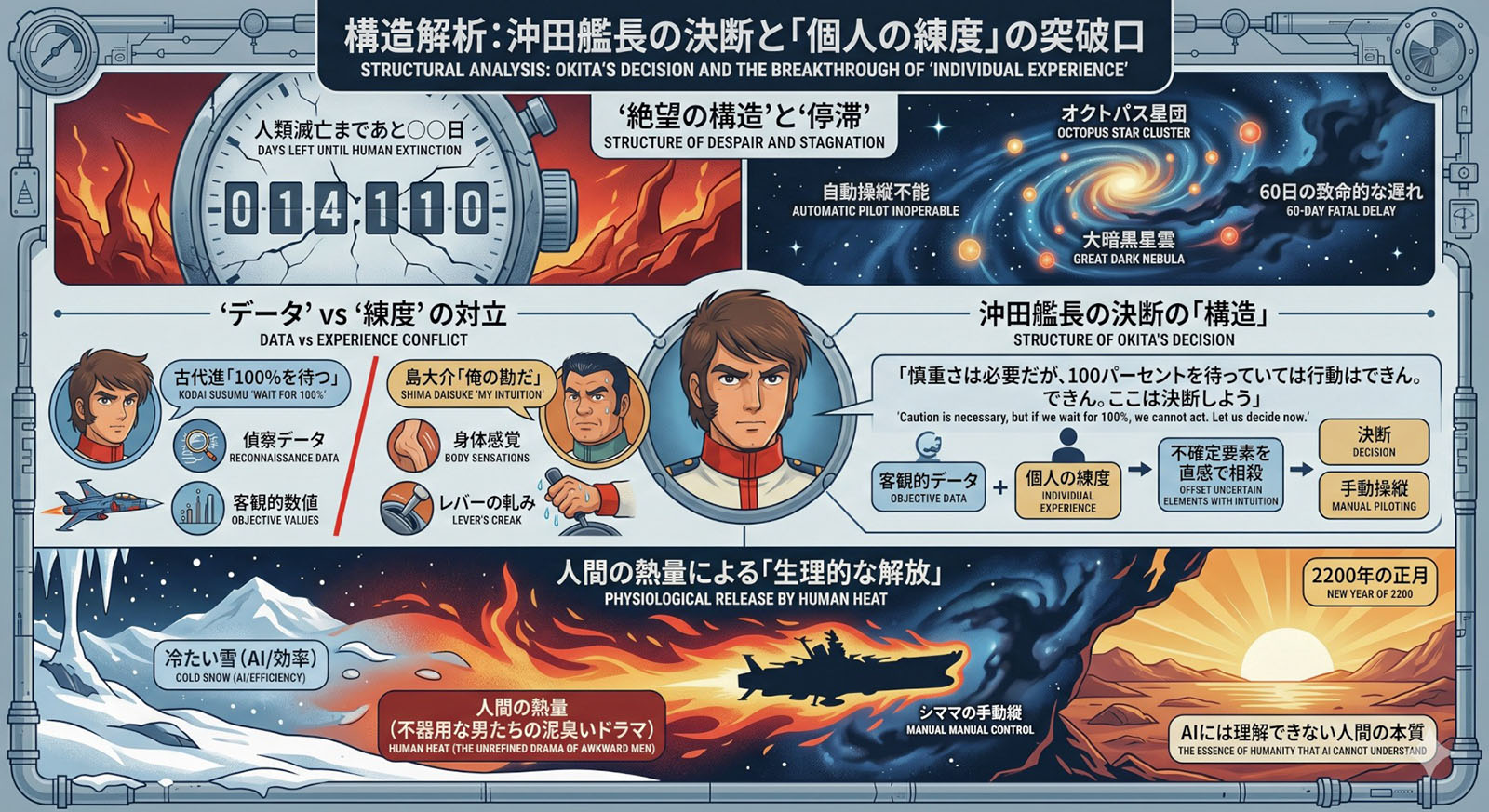
This infographic illustrates the countdown to humanity’s extinction, the desperate structural challenges posed by the Octopus Nebula, and the thematic conflict between Susumu Kodai’s “data-centric” approach and Daisuke Shima’s reliance on “skill and intuition.” The lower section features a data-rich analytical diagram depicting how “cold snow” (representing AI and efficiency) is melted away by “human warmth,” leading toward the dawn of the New Year in 2200, a moment of profound, visceral liberation.
In the critical situation where the autopilot system has been purged, rendering it inoperable, Captain Okita chooses to place his faith not in “100% data,” but in something far more analog: the “individual proficiency” of Daisuke Shima.
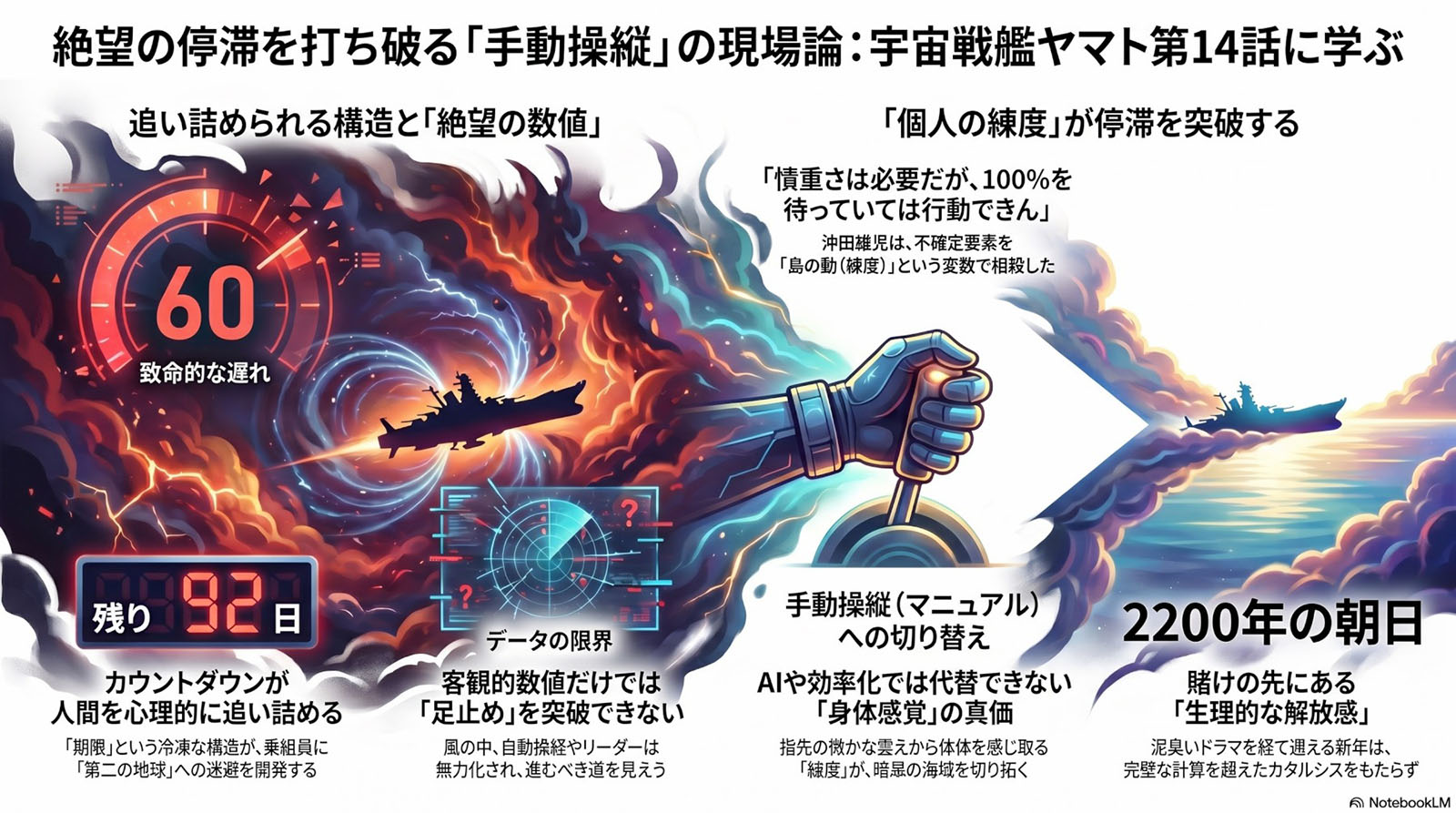
The left side depicts a swirling vortex of magnetic forces alongside dire metrics, such as a “60-day delay” and “92 days remaining,” that convey a sense of being cornered. At the center, a human hand gripping a control lever with powerful resolve symbolizes the “switch to manual control.” On the right side, the “Sunrise of the Year 2200” is depicted shining beyond this breakthrough. the result is an analytical diagram that champions “bodily intuition” and a “physiological sense of liberation” as forces transcending mere AI and efficiency.
It illustrates the structural despair of a situation where objective metrics alone are insufficient to break through a “standstill.” In that moment, what Captain Okita chose to “connect” with is not the calculations of an AI, but rather the “bodily intuition” of Daisuke Shima.
Thank you for reading all the way to the end.