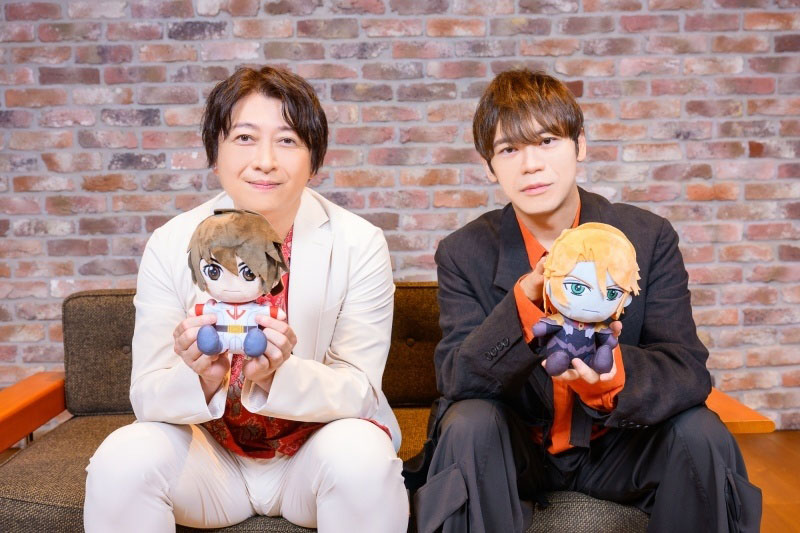
The conclusion reached by Yamato on its new journey; an interview with Daisuke Ono and Makoto Furukawa
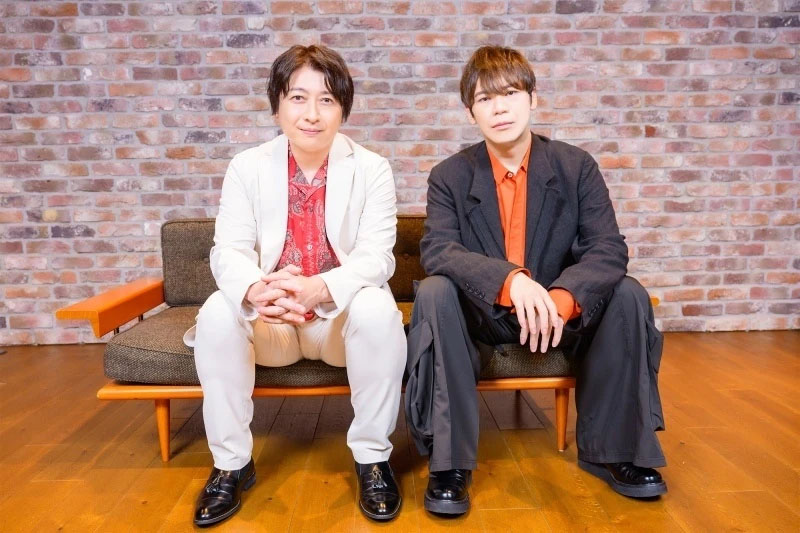
Interview and Photography by Shinzo Inoue
Published at Animate Times, October 23, 2026. See the original post here
Animate Times sat down for an interview with Daisuke Ono, who plays Susumu Kodai, and Makoto Furukawa, who plays Alphon. With the last chapter finally upon us, we looked back on the story thus far and touched upon elements concerning its conclusion. We invite you to join us in reflecting on the entire saga as it reaches its final destination.
Differences from the original work: Yoshiro Kosaka as a symbol
Interviewer: With the seventh chapter about to be released, we’ve reached the climax. How are you feeling at this moment?
Ono: A full twelve-year cycle has passed since Yamato 2199 began, yet here we are, still going. With each new series, I find myself pondering, “Why does Yamato set out on these journeys?” Every time a journey concludes, I’ve felt a sense of fulfillment, as if the voyage itself was its own reward. At the same time, whenever a new series begins, Yamato is compelled to set sail once again.
At the start of the journey in REBEL 3199, there was a great deal of pressure, and the characters faced the hardship of parting with loved ones. It wasn’t all fun. In fact, there were many painful moments. But this final chapter has made it all worthwhile. It’s a recurring theme for me: even when things are difficult, I’m glad I kept going on this journey.
Furukawa: I joined the project starting with REBEL 3199, yet even so, it feels like we’ve reached the end of this seven-chapter saga so quickly. I had assumed the conclusion was still a long way off, and I intended to take my time living within the story as Alphon. As it turned out, the narrative was incredibly dense, branching off in directions different from the original work and delving deep into a vast amount of new information.
Looking back now that it’s finally coming to a close with this seventh chapter, it really feels like it flew by. If there are any future installments in the series, I’ll be rooting for them wholeheartedly, and while I do harbor a faint hope for more, my primary feeling is simply relief and joy that we’ve made it this far.
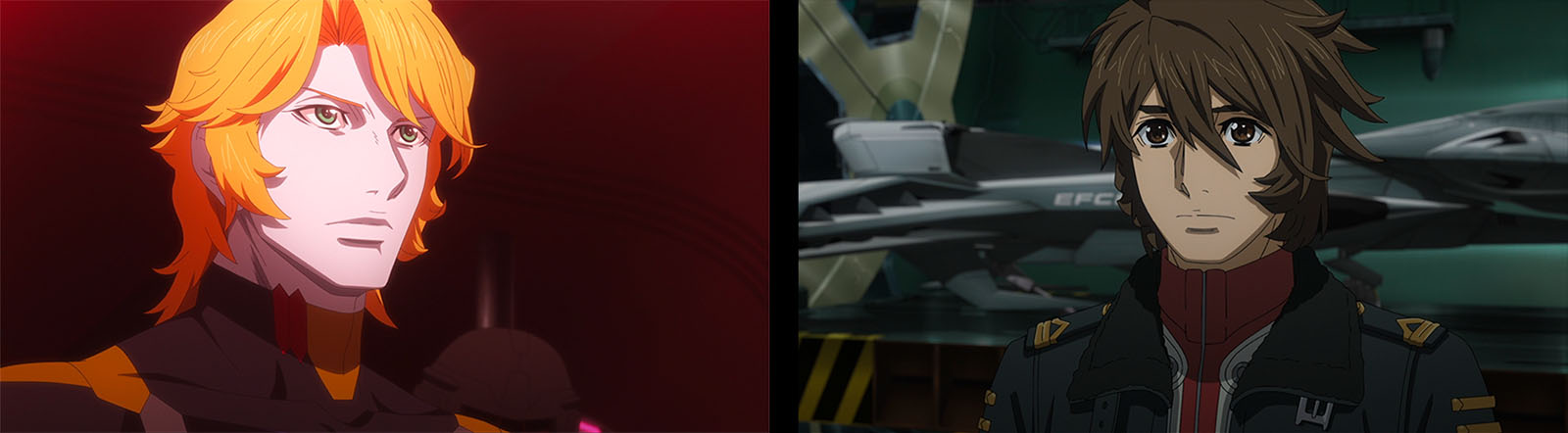
Interviewer: How did the two of you approach your performances while keeping the differences between this remake and the original work in mind?
Furukawa: Didn’t you set a rule for yourself, Ono-san, to watch the original work each time a new installment in this remake series concluded?
Ono: I did, and there was a clear reason for it: it helped me approach the recording sessions as Susumu Kodai for this remake series. It’s become a golden routine of mine.
Furukawa: I felt uneasy not knowing exactly what kind of person Alphon was, so I watched the original beforehand. Because of that, I was fully aware of the path the original Alphon took, his ultimate fate, and how his story concluded.
However, as early as the second chapter, it was clear that we were on a different path from the original. Yet, despite various twists and turns, there were moments where the story eventually converged back onto the same trajectory as the original. For instance, the idea of traveling to another Earth was also present in the original work. However, upon arrival, Yamato suddenly appears in the skies above Shinjuku Piccadilly, a shocking, “You’ve got to be kidding me!” kind of twist. While the story offers these kinds of departures, as it approaches the finale, elements from the original work begin to provide hints about what might unfold next.
Reaching this point involves a complex web of connections, not just to the original work, but also to the narratives and characters from the preceding entries in this remake series, weaving together a human drama that simply wouldn’t hold up if even one piece was missing. The story also depicts characters who cannot move forward without first coming to terms with events from their past.
On the Dezarium side, the narrative goes into great detail not only about figures like Alphon, but also about characters like Fleur and Maxim, who have integrated themselves into everyday society. How these individuals are treated within the context of contemporary Earth society is one of the many elements expanded upon beyond the original work. Their ultimate fate was something I was quite curious about, and I personally found the conclusion deeply moving.
Given all of this, I believe that even those who are already familiar with the original work will find plenty to enjoy in this installment.
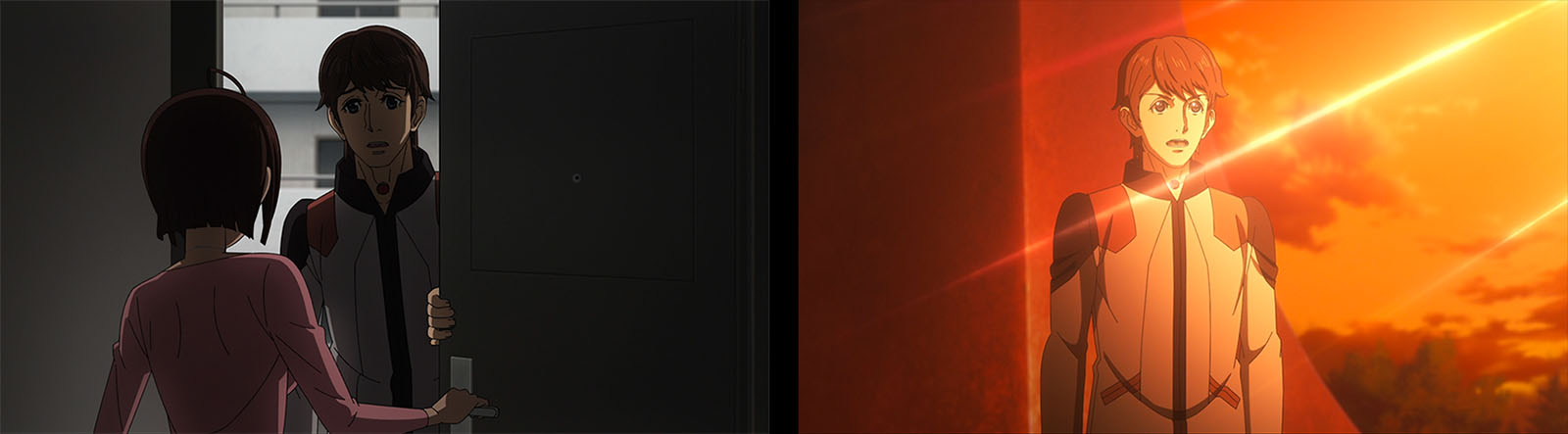
Ono: There are clearly more characters here than in the original. Yoshiro Kosaka, in my view, is the perfect example of this. I haven’t yet seen the original myself, so I can’t say for certain, but I’m fairly sure he wasn’t in it.
General Director Fukui once remarked that it feels more realistic to show people being swayed by information manipulation, the shaping of public perception, and peer pressure. In our modern era, with the rise of social media, peer pressure exerts an even more powerful influence. perhaps the most significant difference between this version and the original is that this story is tailored to the realities of our current age.
That is precisely why the narrative delves into the dangers of misusing AI, as well as the ways in which the human heart, if left unchecked, can lead to hurting others or even spark war. While Space Battleship Yamato is a work of science-fiction, it can also be interpreted as a story that resonates with our own lives today. Having fully immersed myself in the role, I truly feel that this iteration is the Space Battleship Yamato for the Reiwa era.
Interviewer: There are many scenes that are painful to watch for both Kodai and Alphon. Which moments did you find particularly difficult?
Ono: To put it bluntly, I think the most painful moments were when they realized that what they had seen and believed in until now was, in a sense, a fabrication.
For Kodai, Yuki Mori was the person he trusted most in his entire life, and he believed he had lost her. On top of that, the very existence of Sasha, someone he considered as close as family, was denied. That was the most agonizing reality for him to face.
Yet, Kodai never stopped trusting Sasha. that’s precisely why he pulls the trigger of the Wave-Motion Gun. In the past, he would have cried out, “Yuki!” But in this installment, that cry has become “Sasha!” He even shouts her name when firing the Wave-Motion Gun, and that particular cry was truly painful to perform.
Even though those words are rooted in trust, delivering lines like that as an actor is incredibly difficult. But the fact that he kept calling out Sasha’s name was not in vain. in the end, there was a moment where that devotion was finally rewarded.
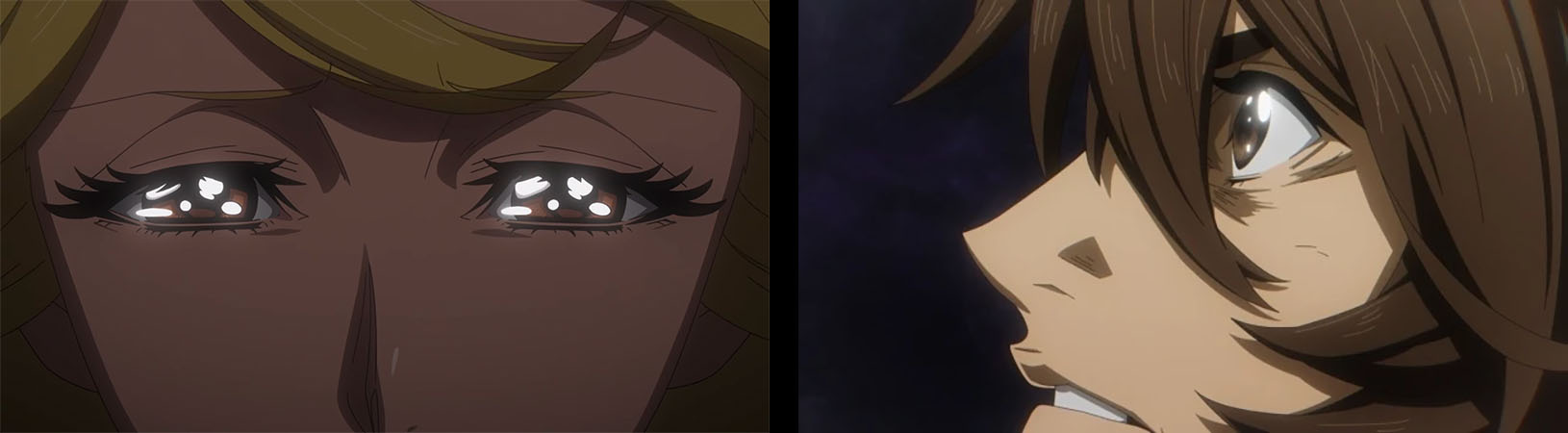
Furukawa: Alphon is a character who begins to develop a sense of humanity while emerging from the mysterious, enigmatic entity known as Dezarium. Consequently, until the latter half of the story, there were aspects of Kodai and Yuki’s relationship that he simply couldn’t comprehend.
After all, you can’t really grasp an emotion like jealousy unless your own personality and emotional depth have fully taken root. I focused on building up those layers, showing his growing interest in Kodai, who was so cherished by Yuki, so that the audience might gradually realize, “Wait…could he actually be jealous of Kodai?”
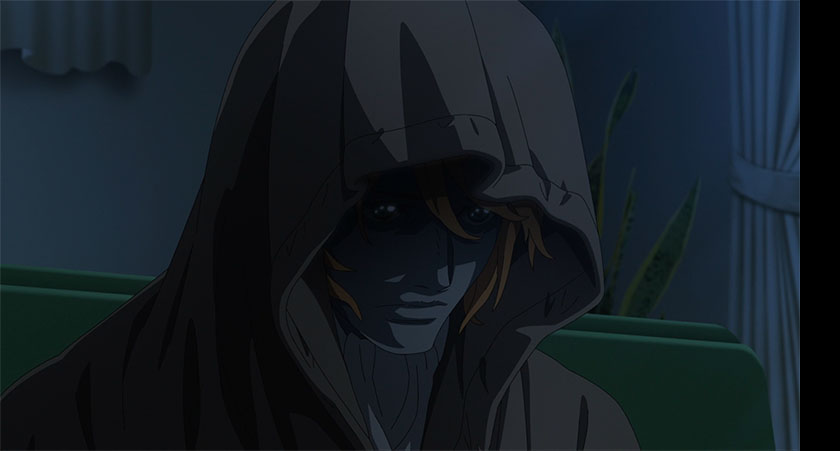
From around Chapter 6, I decided to cast off the shackles of the enigmatic “Dezarium” and portray him more as a human being. There was a remark made in passing by General Director Fukui that really hit home, it made me realize, “Wow, this is tough.” It was during the scene at Makoto Kato’s home, where Yuki speaks about her trust in Kodai. Alphon listens to the whole thing, and that is, quite clearly, the moment of his defeat.
Hearing that, I thought, “You’re absolutely right.” It served as the definitive turning point for him to let go of his feelings, to stop viewing Kodai as a romantic rival, and marked a clear transition toward accepting his own defeat and focusing on what he needed to do next.
He didn’t have a single line of dialogue in that scene, but if I were in his shoes, I think I’d be so devastated I might just lose all hope. Yet, Alphon keeps pushing forward until the very end. he’s truly a strong man.
Ono: From my perspective, Kodai in 3199 has reached this point without ever really being able to connect or communicate properly with Yuki. So, that expression of trust, “I knew Kodai-kun would do that”, was a real lifeline for him. It’s fascinating to learn that this moment, which served as a turning point for Alphon, was actually a pivotal scene for both him and Kodai.
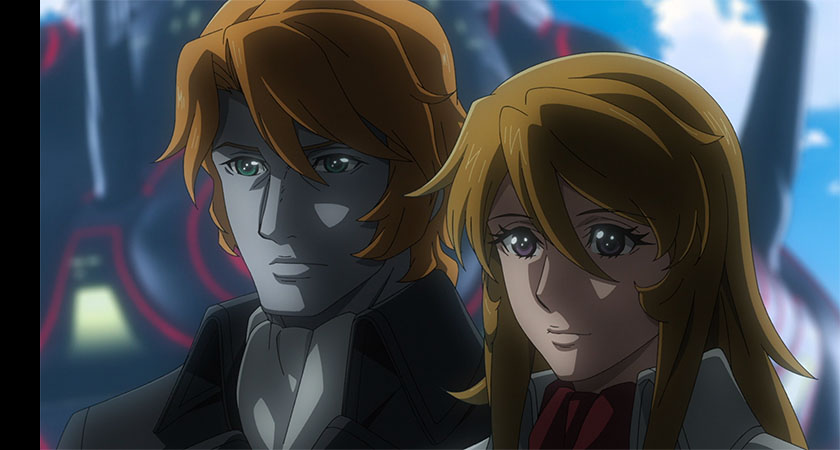
Alphon’s image shifts from “romantic rival” to “someone Yuki trusts”
Interviewer: Looking back at the story so far, could you share your impressions of Alphon, from Ono-san’s perspective, and of Kodai, from Furukawa-san’s perspective?
Ono: Alphon was a romantic rival who had captured Yuki. On top of that, since the Dezarium were such an eerie, mysterious presence early on, I viewed Alphon as an absolute enemy. We didn’t even record our lines together, either.
Furukawa: Ono-san, your jealousy was actually quite intense!
Ono: Well, I’ve been playing Kodai for a long time, after all! Even though we’ve had rivals before, like Dessler, those were adversaries in battle. There’s never been anyone else who viewed Yuki as a woman and tried to take her away from me.
Furukawa: I think that perspective stems from the fact that you, Ono-san, have been playing Kodai for such a long time.
Ono: Perhaps so. Rather than viewing the world of this series from an outside, bird’s-eye perspective, I’ve increasingly come to inhabit the story as Susumu Kodai himself. Or maybe it’s always been that way. He’s introspective, prone to brooding, and often dwells on the negative, yet when the moment calls for it, he steels his resolve. There’s a lot about him that mirrors my own way of living. at times, watching him can even be a bit irritating.
Whenever he fails, he immediately sinks into despair, saying, “I’m no longer fit for this…” and tries to resign from his post. You’d think he should just take responsibility and carry on. It’s not as if the situation is beyond repair, but perhaps that’s because Kodai acts as a mirror to me. I find myself synchronizing with him and recognizing those same traits in myself. In the end, the feeling of having lost Yuki, the sense of that personal loss, simply outweighs everything else.
Interviewer: How did your impression of Alphon evolve from that point on?
Ono: My impression shifted significantly after we finally met face-to-face. At the time, I still viewed him as an enemy, but then I learned that Yuki had been staying with Alphon all along, even though she could have been killed at any moment. That made me think, “Perhaps there’s more to this than I realized.”
In this story, there’s a scene where Alphon assists Yuki, giving her the chance to speak with Kodai. It’s natural for characters to evolve over the course of a story. for instance, regarding the line, “I figured Kodai would do that”…while I knew that as the actor, Kodai himself didn’t.
I believe Kodai came to realize, through Yuki, that Alphon wasn’t just some inscrutable figure from the Dezarium forces, but someone who could actually be trusted. Yuki is the central axis of it all. ultimately, Alphon went from being an enemy to being “someone trusted by Yuki.” So, I suppose I should say: thank you.
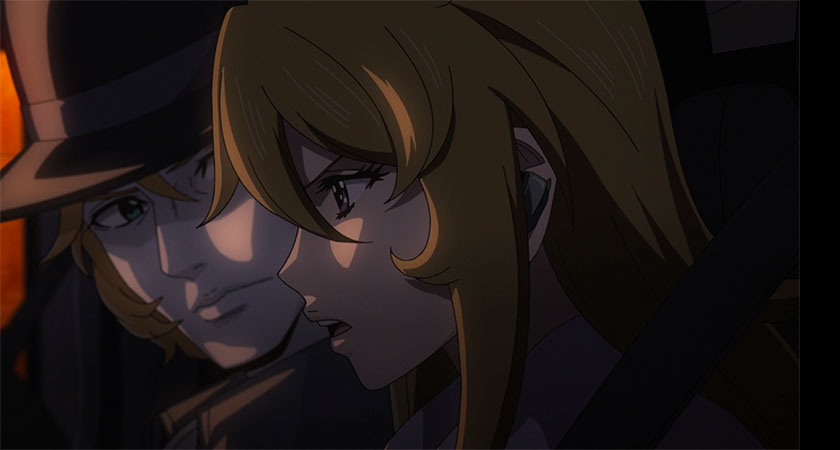
Furukawa: I think you ought to say that to Yuki.
Ono: That’s my intention, and I truly believe that’s the right approach.
Furukawa: For Alphon, I think Yuki was, quite simply, an object of genuine curiosity. He took her in, without even fully grasping the concept of “love at first sight”, and became intrigued by the person she longed to see, even in the face of death. Because he had an inherent interest in humanity, he became curious about Susumu Kodai, and through Yuki, he began to learn about the strength of human beings.
It’s because of love that one can place such deep trust in another, and because of kindness that someone like Alphon could be shown such consideration and genuine, human warmth. He came to understand that human beings cannot be so easily measured or defined, and that realization is certainly part of why he found himself drawn to Yuki.
The moment they finally engaged in a proper dialogue served as a major turning point for Alphon. As it turned out, the goals of Kodai and Alphon were not necessarily irreconcilable. Through our actual interactions, I was able to grasp that he was attempting to do the same thing I was. It’s precisely because I came to understand what kind of person he is that I realized why Yuki is drawn to him.
I believe that one can sense the inherent strength of humanity in every event that unfolds. Amidst all that, Kodai, having endured so much, manages to recover, brings together what had fallen apart, and ultimately struggles to keep moving forward. While I know Alphon isn’t fully aware of everything that has happened, I suspect that his final scene is the culmination of what he learned about the greatness of humanity through Kodai.
The immense power of love that humans cultivate…the Dezarium people surely harbored a desire to be like that themselves. I believe it was by returning to that primal, fundamental emotion that Alphon was able to speak those words in that moment.
Ono: What Furukawa-kun just mentioned is something Mother Dezarium also touched upon. When the Dezarium people were being created, she noted that human emotions could produce results far beyond what was anticipated, which is precisely why she chose to imbue them with these emotions, even though they were supposedly unnecessary.
As it turned out, this led to a rebellion, fitting the title “REBEL”, and perhaps Alphon is the symbol of that. It’s likely that Alphon saw the potential inherent in human emotion within Yuki. And because of that, he came to recognize that Kodai, with whom she shares such a deep connection, is also an extraordinary individual.
Furukawa: If Yuki weren’t in this story, everything would have reached a dead end, wouldn’t it?
Ono: Houko Kuwashima [Yuki’s voice actor] even remarked, “Yuki is just too strong this time around.”
Furukawa: She never breaks, never gives up, and keeps on living. She possesses a dignified presence, and it was through her that we were able to come to an understanding and grow.
Interviewer: Could you both share what aspects of Yuki Mori, and her role in this seventh chapter, particularly stood out to you?
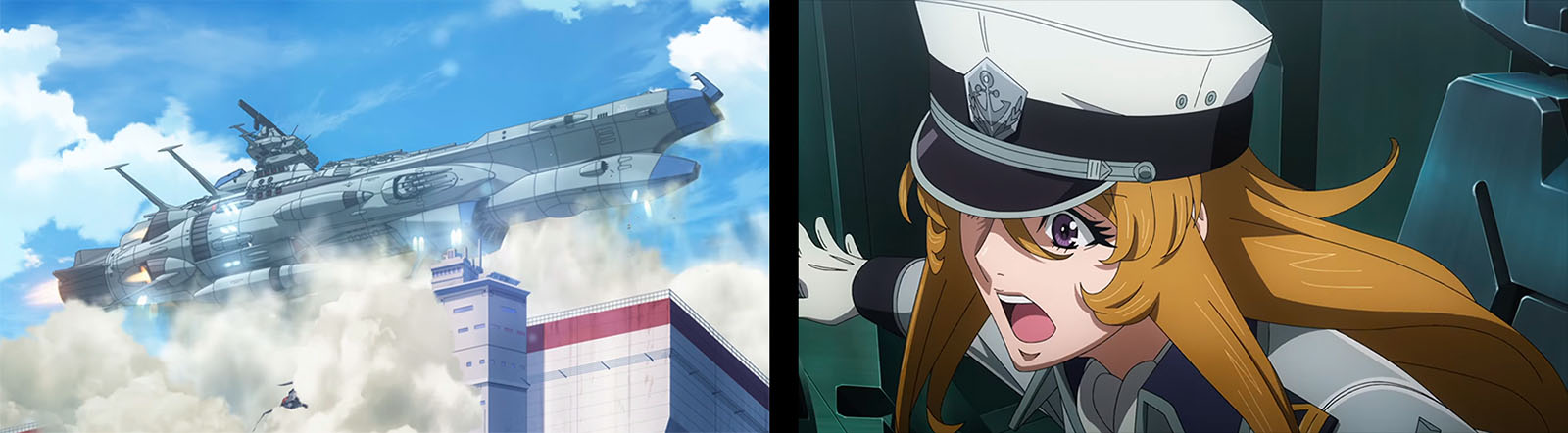
Ono: We finally get to see her in action as the captain of Arizona, and she is incredibly powerful. She absolutely dominates the battlefield, which is truly exhilarating to watch. The catharsis of Arizona’s combat sequences early in the story carries an impact comparable to the very first time Yamato launched.
The conflict then escalates into an all-out war, with numerous Earth-side vessels joining the fray. It’s hard to imagine the mission succeeding if even a single one of those ships had been missing. everyone fought with everything they had, leaving them battered and bruised. Yet, even amidst that, Arizona’s presence remained overwhelming.
Throughout this series, I’ve always had a soft spot for the “Reflective Satellite Cannon.” It’s the kind of thing that really appeals to a boy’s sense of wonder. It was moving to see that technology find its way to Arizona, and the fact that Yuki is the one commanding it made me think, “Wow, she’s really come into her own, hasn’t she?”
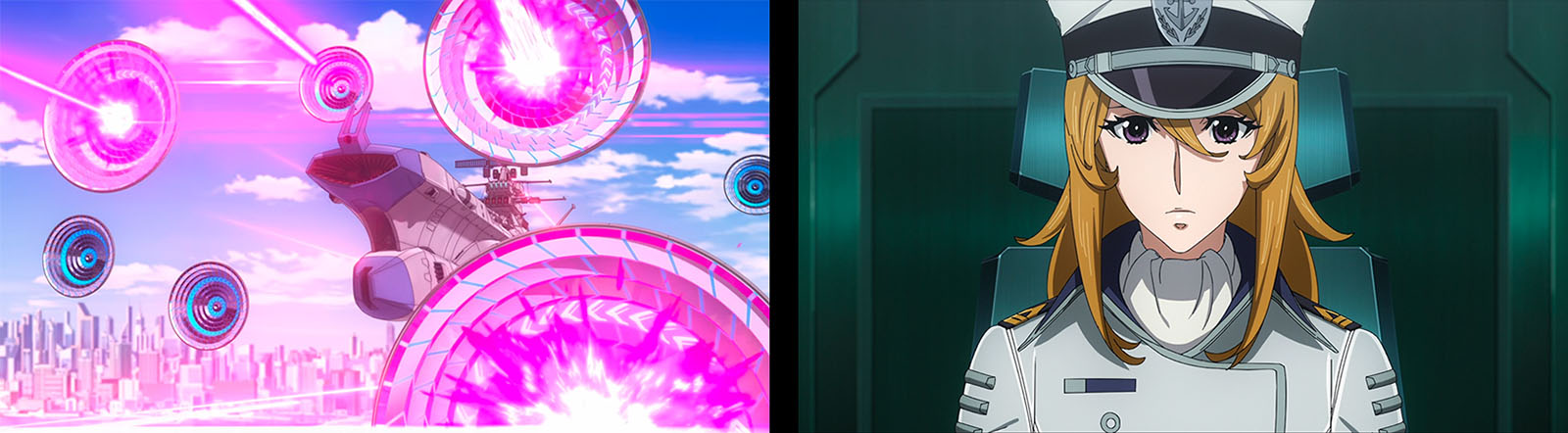
I’ve watched her by Kodai’s side since he was the tactical officer, and sometimes I wonder if it was truly necessary for her to become a captain herself. But the fact that she did means she made the conscious decision to stand alongside him in battle. She is a woman of immense inner strength, which is surely what Kodai fell in love with in the first place.
Yuki is the quintessential heroine of Space Battleship Yamato, the kind of person anyone would yearn for. But it’s not just about her appearance. it’s her strength of character that truly matters. That’s why, when Arizona launched, I was so moved, to the point where I almost felt like I wasn’t even needed anymore!
Furukawa: I’m also drawn to her strength of character, and perhaps also to her unwavering commitment to the trust others place in her. No matter how much information we demand, she flatly refuses to hand it over. In fact, she’s even plotting ways to turn the tables on us and get that information back to Yamato.
That’s a decision she can only make because she is so strong, and because of the deep trust and bond she shares with Kodai and the rest of Yamato crew. That side of her becomes visible from Alphon’s perspective, and, inevitably, it’s the impression that leaves the strongest mark. Witnessing that, I believe, was one of the reasons Alphon sought to understand Yuki.
Yet, Yuki is first and foremost a prisoner, and Alphon is the one holding her captive. He must have been intrigued by why she placed such immense value on her bonds and trust with the Yamato crew and Kodai. Amidst all this, there were moments when Yuki showed kindness to Alphon, whether as a woman or simply as a human being. It could be interpreted either way.
Ono-san described Yuki as the definitive heroine of Space Battleship Yamato, and I suspect that is exactly what the fans of the series are looking for. Not just her physical beauty. Alphon was surely drawn to that inner strength and kindness of hers.
Kuwajima-san maintains a firm, consistent core in her performance, yet she also conveys her character’s inner emotions so clearly that, during the voice-recording sessions, I often felt, “There’s just no beating Kodai”, and I believe that exact quality is part of what makes her character so compelling.
Kodai sees a reflection of his younger self in Domon…but why?
Interviewer: I understand you didn’t have the chance to record together for the entire duration of the project. Was there a specific reason for this?
Ono: While scheduling was a factor, this remake series features such a large cast that we’ve been recording in separate groups. Going all the way back to 2199, before the COVID-19 pandemic, the Earth-side and Garmillas-side characters were recorded separately. even back then, I’d occasionally cross paths with Koichi Yamadera (Dessler) at the studio.
So, the setup for this project didn’t feel strange, but I did start to wonder if there was a deeper intention behind it. Kuwashima-san (Yuki) was in Furukawa-kun’s group, which makes sense, given that Yuki is currently being sheltered by Alphon. But there were times when my group, Kodai, Sasha, and the others, would finish our session and leave the studio, only to find Furukawa-kun and Kuwashima-san waiting for their turn.
Furukawa: That happened a few times, didn’t it?
Ono: At least three or four times, I’m sure. It made me start to wonder: “Could this be intentional…?” After all, it wouldn’t have taken much extra effort to coordinate our schedules so we could record together. That said, there was actually a benefit to establishing this kind of separate recording dynamic.
In this remake series, there are roles that simply cannot be performed effectively without knowing how the story unfolds later on. A prime example is Klaus Keyman, played by Hiroshi Kamiya in the previous installment, Yamato 2202. Kamiya-san was privy to the story’s future developments, while I, in my role, knew absolutely nothing. That was the dynamic we worked with during our recording sessions. I think I was the one who knew the least about how the story would unfold in REBEL 3199. Furukawa-kun, you were briefed on things like what kind of being Alphon actually is and where the story was headed, right?
Furukawa: Yes, I was provided with that information.
Ono: Looking back, it’s clear that it was the right decision for us not to record our lines together. From my character’s perspective, I didn’t know who I was facing, so I had to engage with him, and it’s precisely that lack of knowledge that gives rise to such deep pathos. When it was finally revealed in this seventh chapter what happens to Alphon, I felt a sense of genuine regret, I just wanted to say, “I’m sorry.”
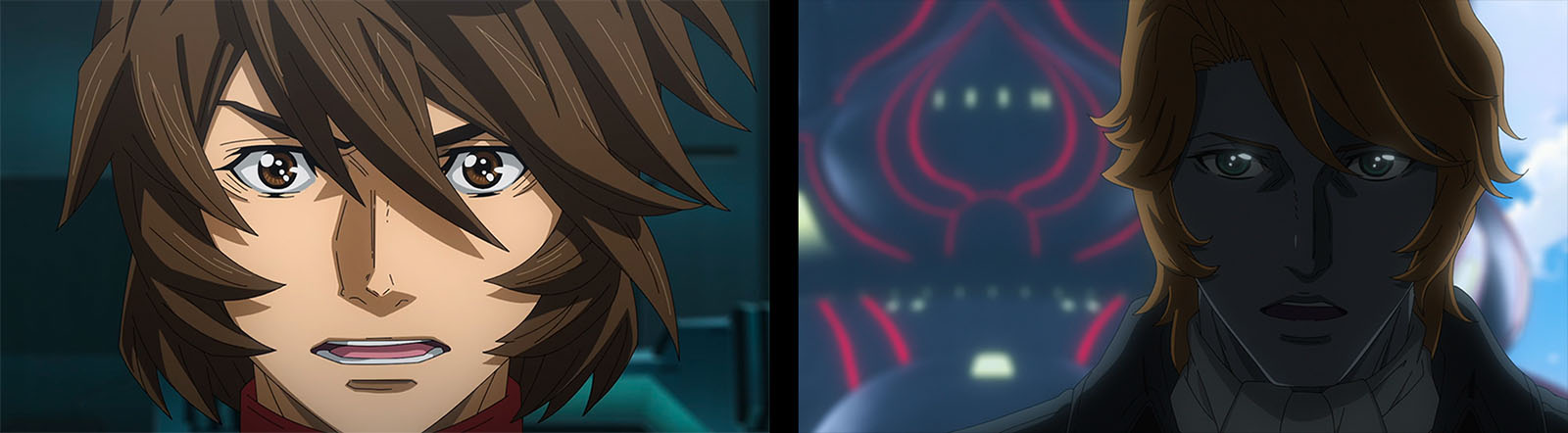
He must have been deeply troubled upon learning that his own life was, in a sense, a fabrication. Yet, he still chose to act for Yuki’s sake, alongside his subordinate, Isidore. His actions were born from a human heart that had blossomed through various experiences, and I find that incredibly, heroically cool. We started out as bitter enemies, even trying to take each other’s lives, but eventually we began to fight side-by-side. The idea that it’s possible to reach an understanding even with an extraterrestrial, that’s the very belief Kodai has held onto all along.
Because of this, I think Kodai himself came to some new realization about the meaning of his own life. Thanks to Alphon, he seems to have grasped the importance of living each moment to the fullest. Perhaps it was for the best that Furukawa-kun and I didn’t meet until the final recording session.
Furukawa: I also think it was for the best that I remained unaware of what Kodai was going through. Of course, I would receive the finished footage before appearing at various events, so I was aware of the facts, what had transpired in those episodes. But had I known those details while recording, I feel my performance might have wavered. it was better for Alphon not to be burdened by that knowledge.
We were finally able to record together for the final chapter, which was a deeply moving moment. We finally met! Although Alphon didn’t interact directly with Kodai, he was able to entrust Yuki with a message, a token to pass on. And for me, as Alphon, the thing that brought me the most joy was being able to listen to the conversation between Kodai and Yuki. I realized that this was what we, the Dezarium, had lost. it was the fleeting, radiant essence at the very core of existence.
I feel fortunate to have experienced this while performing Alphon’s final scene. It’s as if this was something we had been yearning for all along. For me, as a member of a race that has lost its humanity, to catch even a glimpse of what “love” truly is…
Alphon came all this way in search of that very thing, and in the end, he was able to witness something of supreme beauty. At least, that’s how I personally perceived it. We were even able to record that moment together. as an actor, there is no greater reward than being able to fully grasp the emotional weight of a scene, even in the moments where you have no lines of your own.
Interviewer: Throughout the story, the relationships between the characters and their subordinates, Kodai with Ryusuke Domon, and Alphon with Isidore, were consistently explored. Mr. Ono, could you share your thoughts on Domon? And Mr. Furukawa, could you tell us about Isidore?
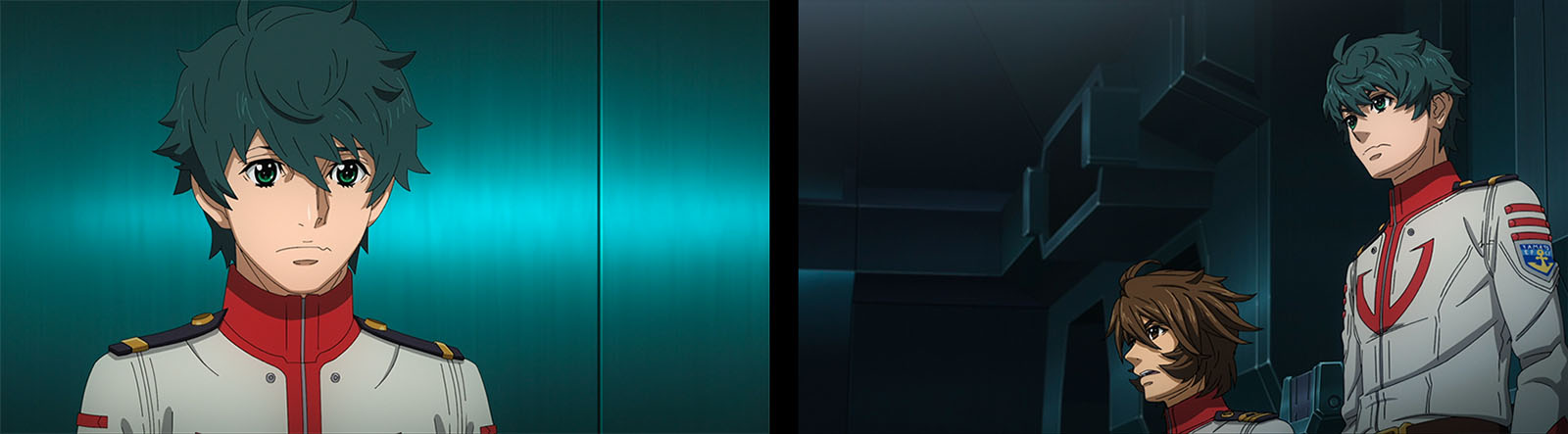
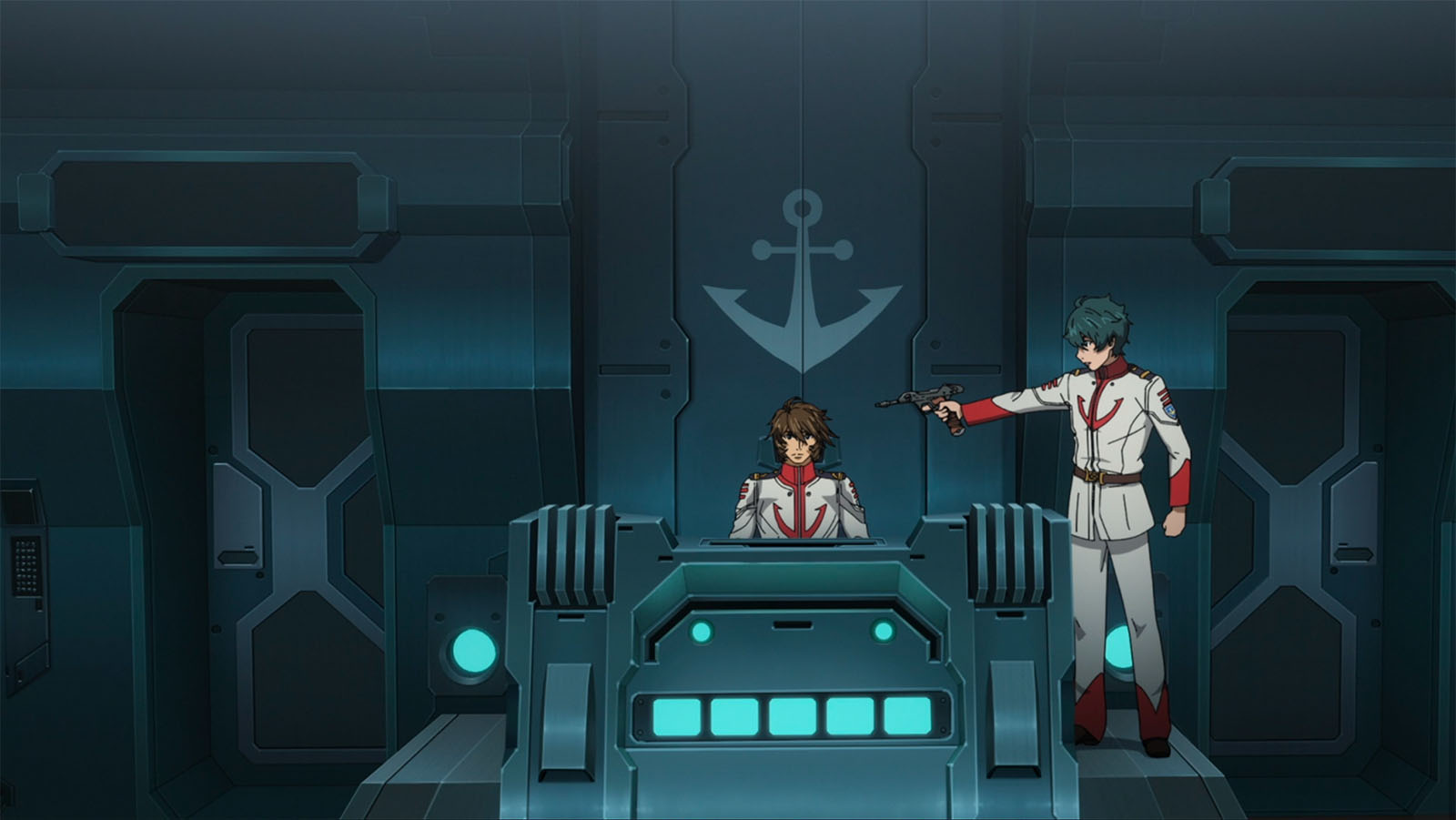
Ono: Domon is, in a sense, a reflection of the younger Kodai. Although he’s a subordinate, I believe Kodai sees his own younger self in him. Domon acts before he thinks and charges forward, driven entirely by his own sense of justice. There’s almost a hint of envy there. perhaps, deep down, Kodai himself once wished he could have lived that way.
That same passionate intensity, that impulsive, hot-blooded drive to turn one’s feelings into immediate action, still exists within Kodai. Yet, given the path he has traveled, Kodai has come to realize other things. he has learned that he must embody a greater harmony between people, both through his own words and actions, and through his role aboard Yamato. Kodai can no longer live the way Domon does.
Because they’re so alike, they resonate with and empathize with one another. Even when Domon led a rebellion. Had it been the younger Kodai, he might have done the exact same thing. That’s why Kodai is so keenly aware of the precariousness of Domon’s nature. I suspect that the current Kodai is caught in an internal struggle: a conflict between the part of him that wishes he could have acted just like Domon, and the heavy responsibilities he now carries.
Perhaps it’s precisely because he is who he is today that Kodai sees an idealized version of himself in Domon. I believe that’s the reason they ended up on the same ship. Kodai reached his current position precisely because he observed the examples set by those who served as captain of Yamato before him: Okita, Hijikata, and Yamanami.
That’s why I suspect that, in the end, Kodai hopes for Domon to become the captain of Yamato, and as the actor playing him, I share that same wish.
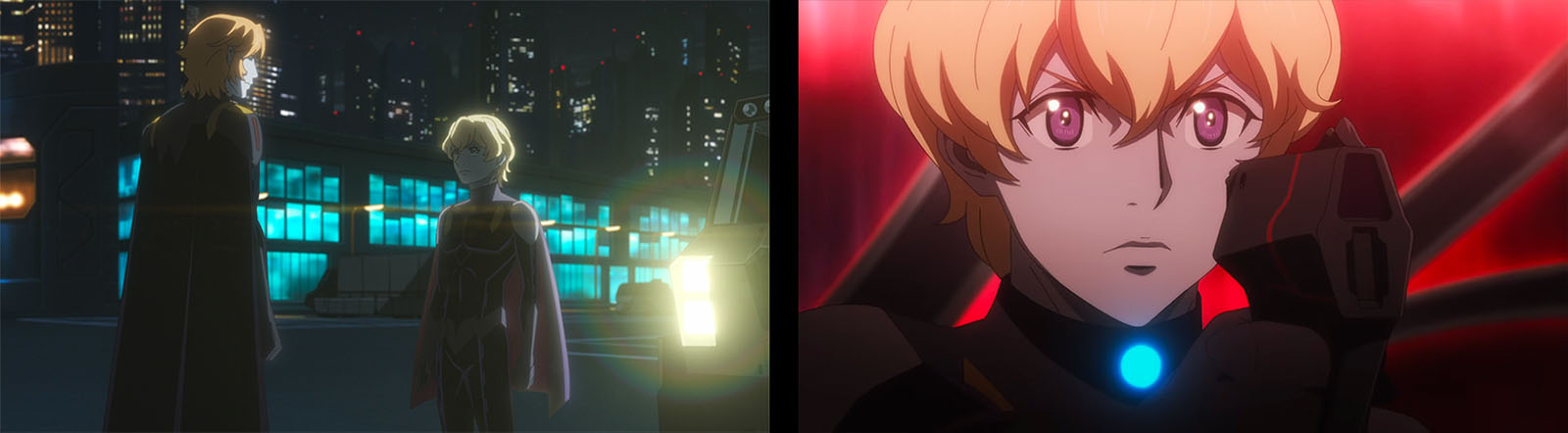
Furukawa: I feel a very strong sense of “I’m sorry” toward Isidore. In Chapter 6, he acted according to his own convictions. yet, from Alphon’s perspective, Isidore’s way of thinking leaned toward the Dezarium ideology. It was precisely because Isidore exhibited such “Dezarium-like” behavior and speech that the unique qualities and the emerging humanity of Alphon stood out so sharply.
At the same time, Isidore is also capable of reacting purely out of intense, raw emotion. He is a truly curious and fascinating character, I imagine many of you feel the same way.
In Chapter 7, there is a moment where a certain mechanism comes into play, a revelation that leaves one feeling deeply despondent. Even so, it’s impossible to hate him. From Alphon’s perspective, there’s no resentment. perhaps that’s because Alphon recognizes that he himself has done things that would make it entirely understandable if he were to be hated.
So, in many ways, one just has to accept it. It couldn’t be helped. Personally, despite everything that happened, I’m glad he was there, and I’m glad he remained true to who he was.
Interviewer: Lastly, could you share a message for the fans who have followed REBEL 3199 up to this point?
Furukawa: Whether you have been following the Yamato saga for a long time, or if you joined the journey with this remake series, I believe the conclusion of this story is truly wonderful.
I encourage you to come to the theater with a sense of resolve, but rest assured, this is not a story that leaves you with nothing in the end. It’s not that something has come to an end. rather, I believe this experience might plant a seed within you, something that will help you live your life from tomorrow onward. I truly hope you take away at least one theme from this, and that we can all keep moving forward and living our lives together in the days to come.
Ono: Once again, I want to express my deepest gratitude to all the “Yamato crew” members who have come aboard for REBEL 3199. The themes explored in this work are universal. I believe they will resonate within the hearts of everyone who watches it and will continue to endure well into the future.
The story touches upon themes that are essential, things we must cherish as we navigate our lives today. I would be delighted if you could receive that message in the theater and carry it forward into the future. Please stay on board Yamato until the very end.