
Thoughts after watching Episode 3
See the original blog post here
To put the conclusion first: Episode 3 is not the episode where Yamato actually launches. Rather, it is a pivotal episode where the will of the original crew members, led by Susumu Kodai, begins to move ahead of the organization’s official judgment.
While the actual launch takes place in Episode 4, Kodai chooses to take action without knowing the true nature of the crisis, defying the Earth Defense Council, which fails to treat the mysterious transmission from the White Comet with the necessary gravity. His decision is driven by a sense of responsibility to protect Earth, yet it also carries the inherent danger of insubordination.
This article explores the complacency within the Defense Council, the light and shadow inherent in Kodai’s decision, the attitude taken toward the mysterious transmission, the passion driving the original crew to reunite of their own volition, and the significance of Dessler’s return.
Drawing on my 32 years of experience as a field technician at an LPG auto-gas filling station, I offer a detailed analysis from the perspective of how one interprets signs of abnormality and who takes responsibility for acting on them.
Article Highlights
The Defense Council’s complacency
A discussion reflecting the “on-the-ground” insight that an organization is most vulnerable immediately after a victory.
Kodai’s decision to launch without orders
Examining the boundary between a sense of justice and insubordination through the eyes of a former technician.
The mysterious transmission
The nature of the eeriness surrounding a signal whose meaning remains entirely unknown.
The reunion of the original crew
The passion of men returning not because of orders, but by their own choice.
Dessler’s return
The imposing presence of an arch-nemesis who is certain that a rematch is inevitable.
Basic Information on Episode 3
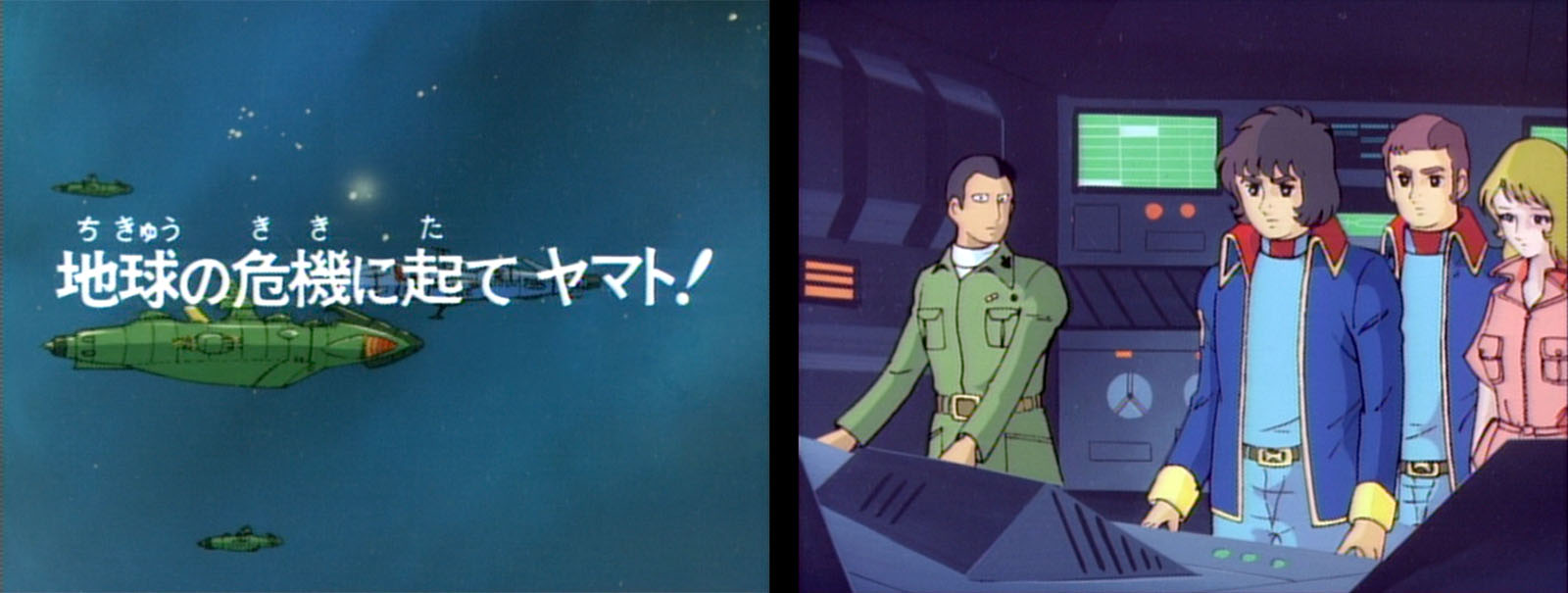
Episode 3, “Rise Up, Yamato! Earth in Crisis,” is an installment in the series that places greater emphasis on the actions of the people involved rather than the operation of the ship itself. This episode marks a pivotal turning point in the early stages of the long saga depicting the war against the White Comet Empire.
The Complacency of the Defense Council
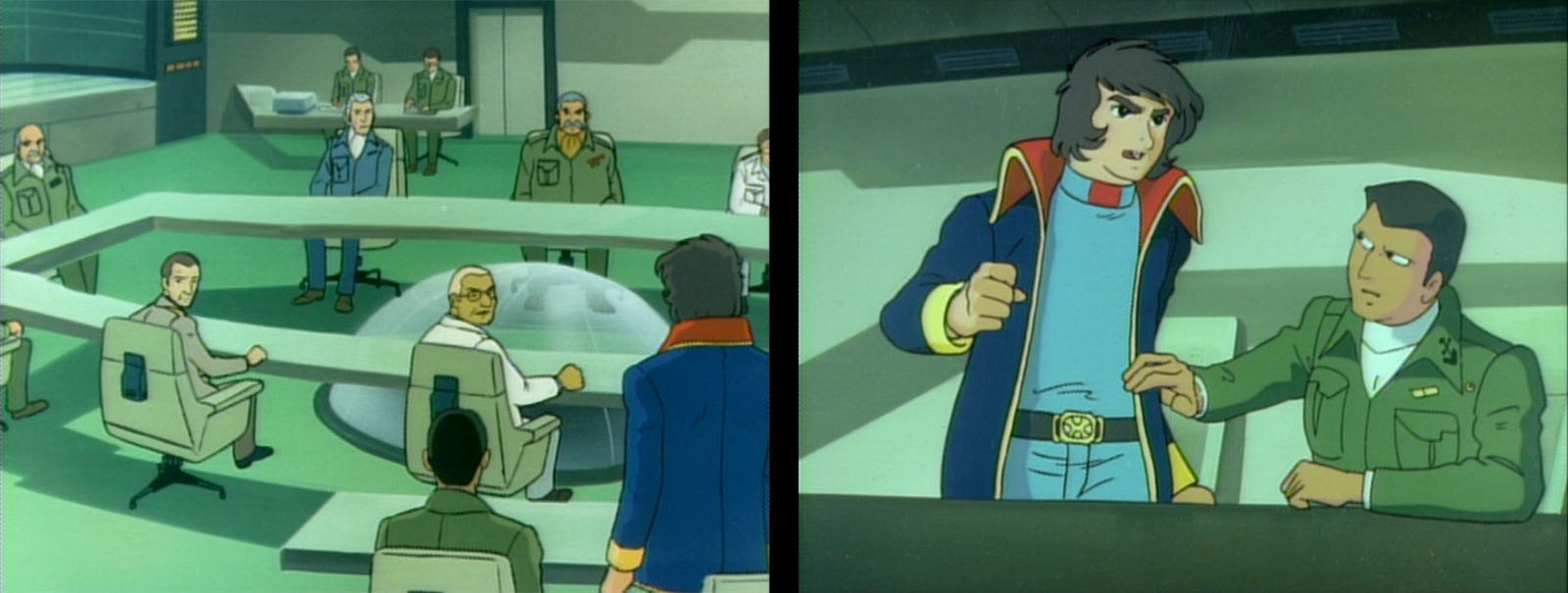
The first thing that struck me about Episode 3 was the atmosphere within the Earth Defense Council. Having survived the war against Gamilas and acquired a cutting-edge fleet, spearheaded by Andromeda, Earth views the approaching White Comet as little more than a problem their fleet can easily handle.
To someone who has worked on the front lines, that kind of atmosphere looks all too familiar. At the filling station where I used to work, after years of accident-free operations, there would come a time when inspection procedures started to get a bit sloppy.
That “we’re safe” mindset is the most dangerous thing of all. Safety systems don’t necessarily function when you need them most unless you diligently stick to the prescribed periodic inspections. On the ground, the quality of the actual hands-on work, verifying the equipment’s condition, was far more important than just stamping a checklist.
Has your workplace ever fallen into that kind of mindset? It is precisely when things are going well that we are most likely to ignore the smallest warning signs. While the members of the Defense Council are admittedly portrayed somewhat stereotypically, that very simplicity serves as a clear warning: this is what complacency looks like.
Susumu Kodai’s Unauthorized Launch: the Line Between Responsibility and Disobeying Orders
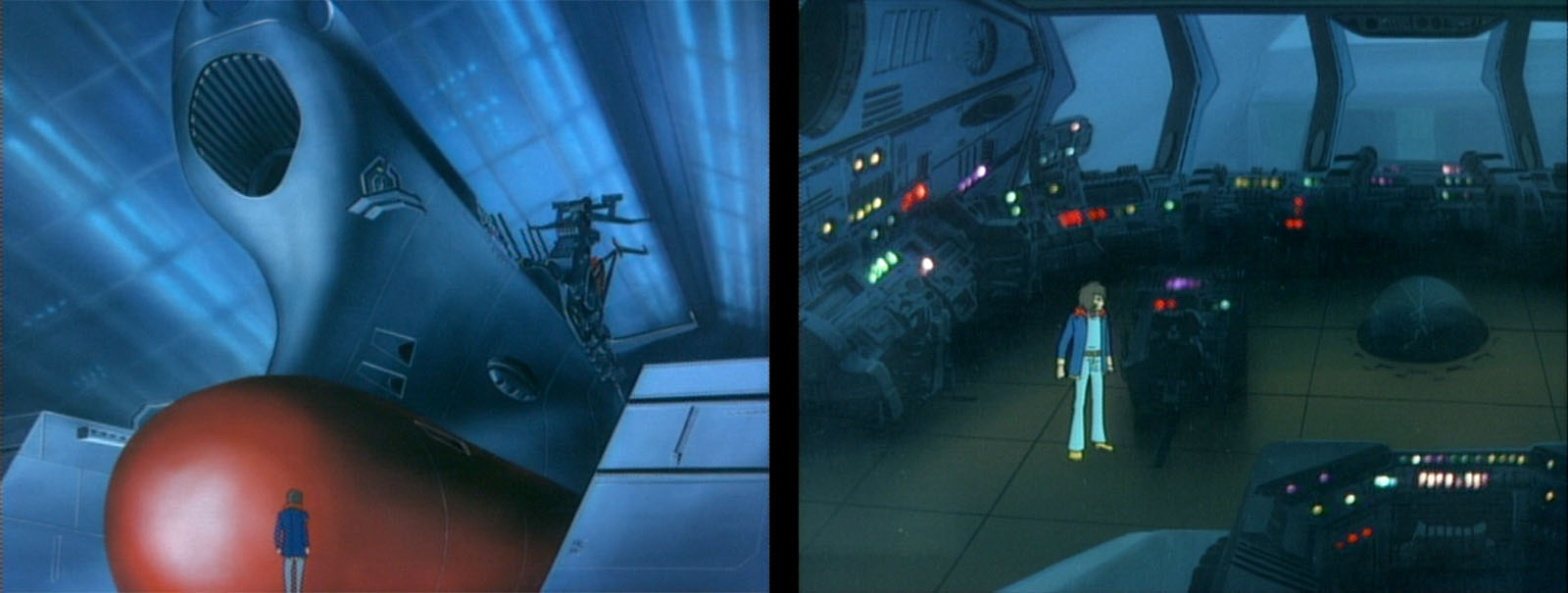
Even after being rebuffed by the Defense Council, Kodai doesn’t back down easily. Yamato‘s journey was not merely about protecting Earth; it was also a voyage to discover how Earth should exist within the cosmos. Driven by this core conviction, Kodai begins gathering the former crew without authorization from headquarters.
Honestly, this is a moment that demands more than just applause. Attempting to launch the ship without permission within such an organization constitutes a serious violation of orders, something that cannot be dismissed simply as an act of righteousness.
Having worked in the field myself, I spent 32 years handling hazardous materials, where the reality that “adhering to rules is what keeps people safe” was drilled into me. That’s why I cannot simply hail Kodai’s actions as heroic without reservation.
And yet, haven’t there been moments in your own life where you felt that following the rules to the letter simply wouldn’t be fast enough? The nature of this conflict is the sense of responsibility to uphold the rules versus the sense of responsibility to act, even if it means going beyond them.
Seeing these two conflicting responsibilities clash within Kodai reveals him not as a simple hero, but as a man worthy of trust precisely because of the risks he is willing to take. It is worth noting that Episode 3 depicts only the decision to launch without authorization. Yamato actually takes flight in Episode 4. The true value of Episode 3 lies not in the movement of the ship itself, but in the fact that the human will to move it was already in motion.
The Mysterious Transmission: The Nature of the Unease in “Acting Without Knowing”
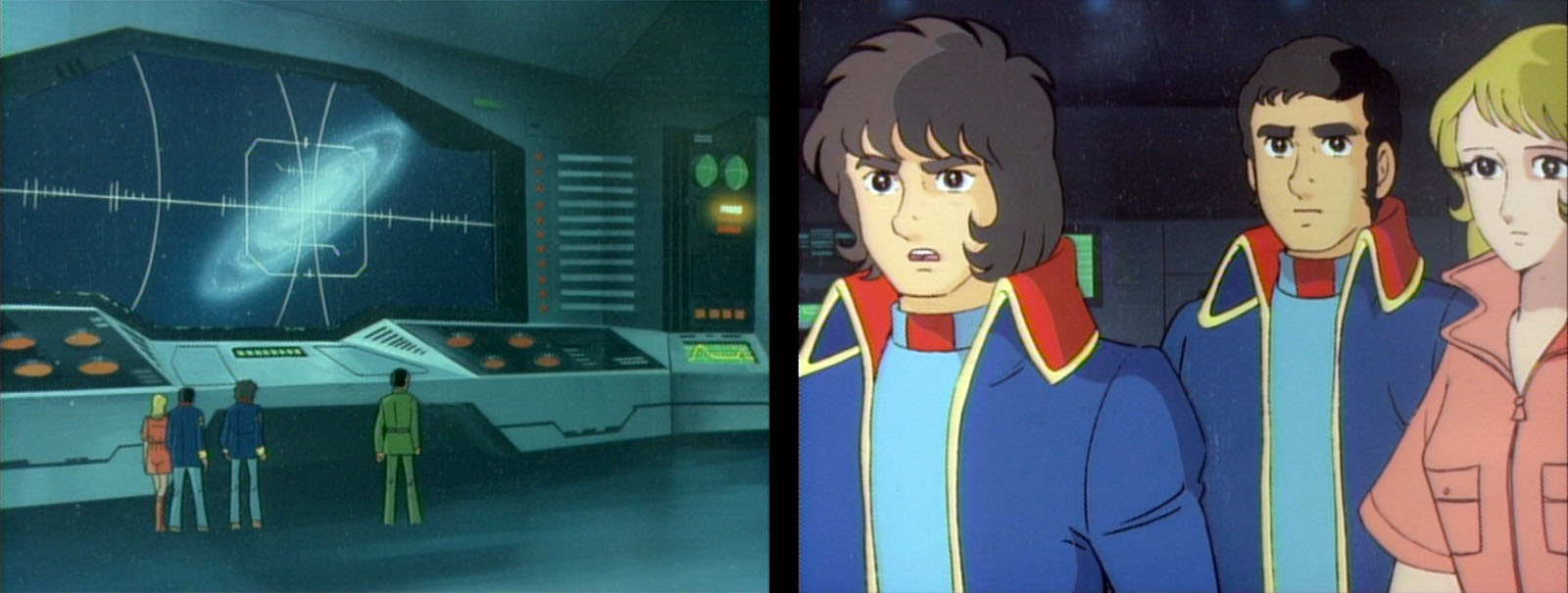
Sanada’s analysis reveals only that it is a powerful, long-range transmission, one that sounds as though it is pleading for salvation. At this stage, the source, the sender’s identity, and the connection to the White Comet remain purely speculative.
As someone with field experience, I recognize this feeling well. Sensor readings look slightly off. The cause remains unidentified. Yet, a gut instinct tells you that “something is going on.” We had to rely solely on experience to interpret those unsettling anomalies that the manuals didn’t cover.
“There is no peace on Earth without peace in the cosmos.”
– Susumu Kodai speaking to Yuki Mori in the underground city.
Kodai didn’t arrive at this conclusion simply because he had all the facts. It was because he couldn’t ignore the possibility, even without knowing the details, that someone, somewhere in the vastness of space, might be crying out for help.
Have you ever had a night where you felt compelled to act, even though you couldn’t quite explain the reason why? I have.
It was the night I first noticed something was wrong with my wife.
A Former Field Engineer’s Take: three Highlights of Episode 3
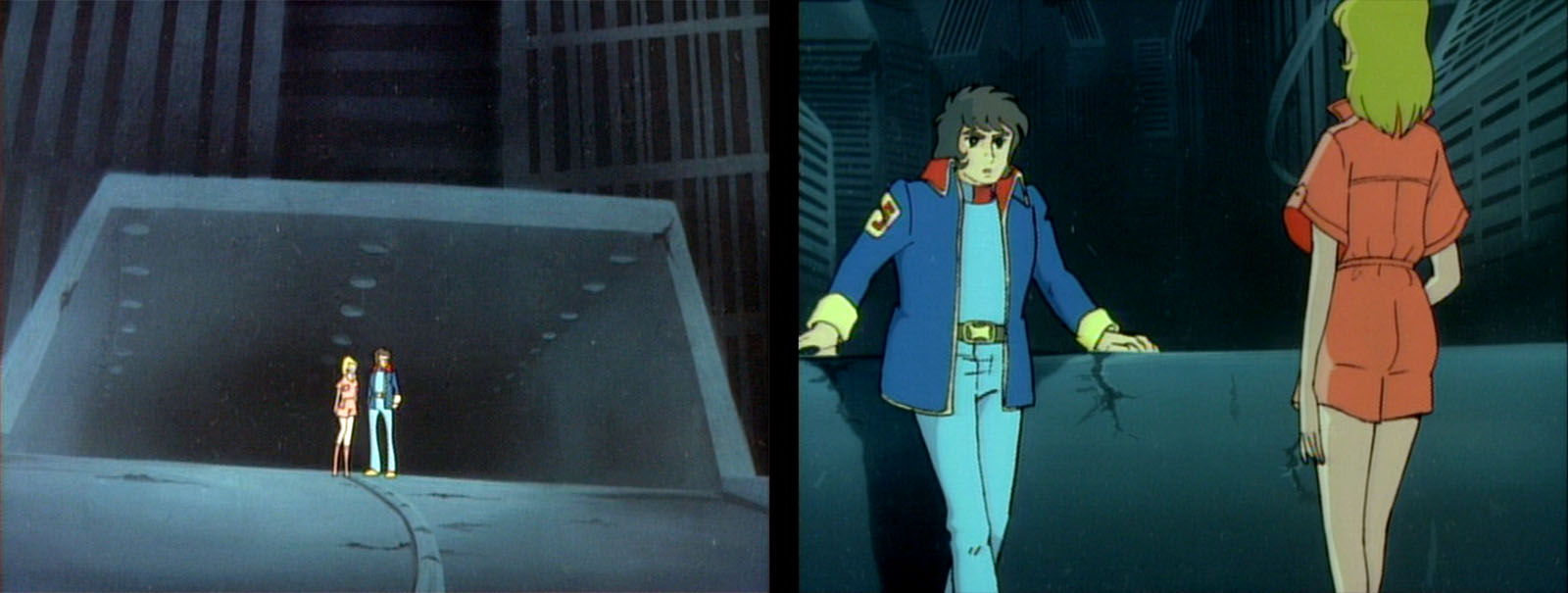
Highlight 1: The Silence Shared Between Kodai and Yuki in the Underground City
A scene where a decision, one that couldn’t be shared with anyone else, is quietly revealed to the person closest to him.
Kodai takes Yuki Mori to the old underground city. It is a place where the man who had been trying to shoulder a crucial burden all by himself, acting out of his own will rather than following orders, finally reveals a glimpse of his true feelings.
Have you ever made a decision alone, keeping it from your family, only to think later, “I should have just told them”? In the early days, I tried to decide on my wife’s care plan all by myself. I understand it now. It wasn’t out of consideration for them, it was simply hesitation.
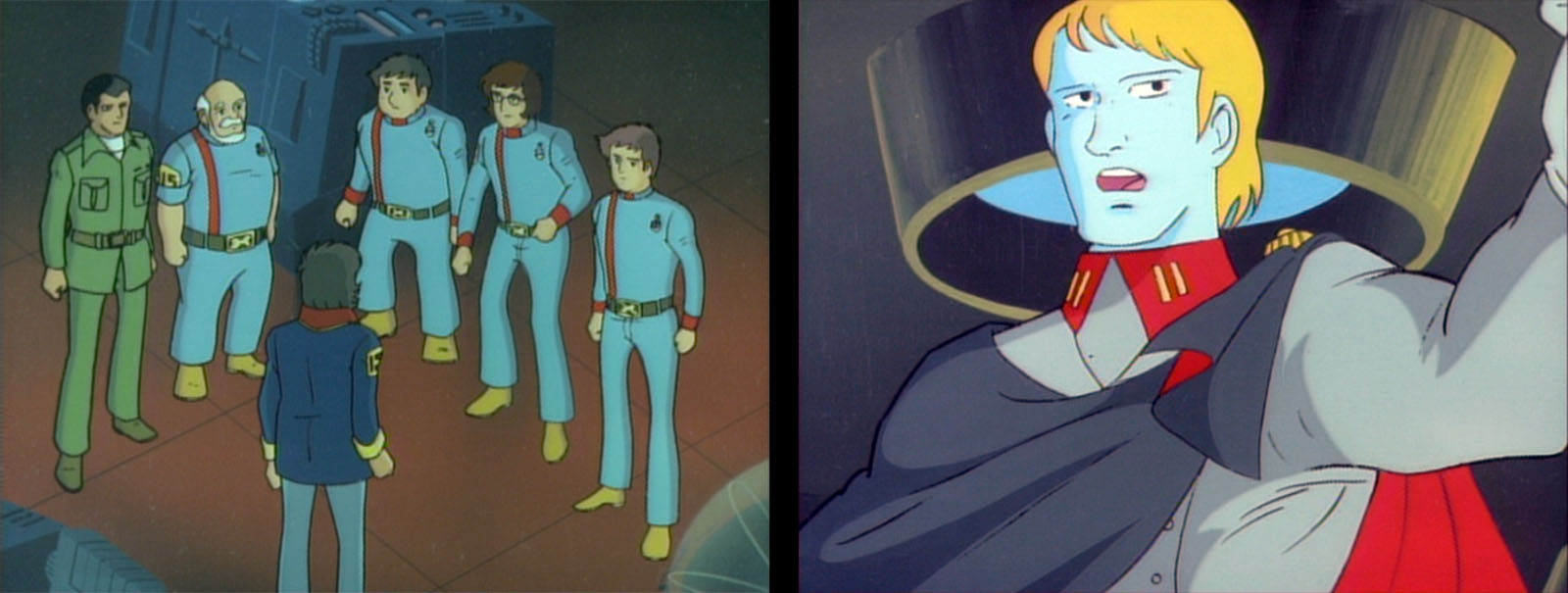
Highlight 2: Chief Engineer Tokugawa’s Words, “Maintenance Complete”
“If we let her sleep here any longer, Captain Okita would yell at us.” The pride of a man on the front lines.
Tokugawa finishes the work in the engine room, bringing Yamato to a state of readiness for immediate departure. These are the words of a man who isn’t moved by a mere written order, but by experience and sheer force of will.
There is at least one task on every job site, a process undertaken not for praise from others, but to satisfy one’s own sense of what is right.
Dessler’s Certainty of a Rematch
A scene where the man who lost his home planet, Gamilas, quietly becomes convinced that a rematch with his arch-enemy is imminent.
Having lost his mother planet and endured a year of humiliation, Dessler gathers his remaining fleet and informs his subordinates that a rematch with his nemesis, Yamato, is close at hand.
There is a certain kind of conviction that comes only from having fought a long-standing adversary. One cannot say for certain, based solely on the depiction in Episode 3, just how deeply Dessler understands Yamato‘s true nature. However, the calm, deliberate way he assembles his fleet conveys that he accepts Earth’s movements as an inevitability.
Have you ever experienced a moment where you could somehow predict the “next move” of a long-time associate or rival? That strange understanding lying beneath the hostility; that is, perhaps, the very core of what makes this series so compelling.
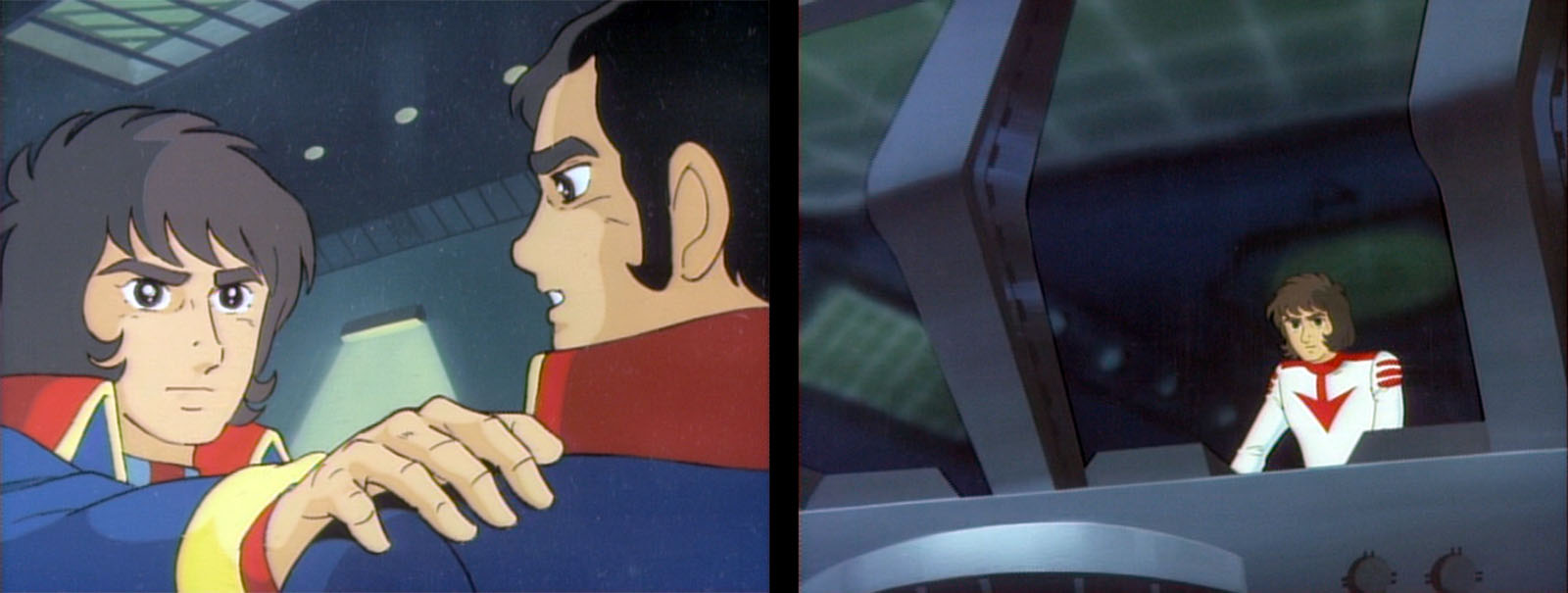
Conclusion: Kodai Could Not Ignore an Uncertain Crisis
This is the episode where the resolve to act solidifies: not waiting for all the information to be in, but moving even when the picture remains incomplete.
Complacency at the defense council, mysterious transmissions, and the return of Dessler.
Amidst a simultaneous onslaught of uncertainties, Kodai decides to mobilize Yamato, not merely in obedience to orders, but as a vessel driven by his own will. While the actual launch is deferred to Episode 4, that decision itself forms the heart of this episode.
Acting despite a lack of certainty.
Only a man who understands the fear involved in doing so can truly be entrusted with the ship.
The Old Man’s Conclusion
You can’t tell a pipe’s pressure limit just by looking at the numbers. Even if it’s been coated with anti-rust agent, tiny cracks might be spreading on the inside. In fact, the tanks that bear the “Inspected” seal are the very ones you need to watch the closest.
I’ve spent thirty-two years working on sites like that. In a way, a man like Susumu Kodai is just the same.
Having survived the war with Gamilas, Earth wears the face of something that has passed inspection. But Kodai alone notices the cracks beneath the surface. He acts anyway, even though no one believes him. It’s a precarious way to live, but on the job site, those were the people I trusted the most.
Have you ever acted recently relying solely on your intuition, without anyone else understanding why? I have.
The night I first sensed something was wrong with my wife, the hospital hadn’t told me anything yet. But I’m glad I took action. Only those who know the fear of acting without knowing the full picture can truly protect someone.
Have you ever taken a step forward recently, even when you couldn’t quite explain the reason why?
When you’re a caregiver, you realize that the night is the one time of day that truly belongs to you. It is a time when no one disturbs you, but also a time when you have no one to rely on.
To be honest, I still only half-endorse Kodai’s decision to launch without orders. And yet, I know from my own experience that there are nights when you have to act without fully understanding the situation.
I hope this article resonates with you, too.