
Thoughts after watching Episode 19
See the original blog post here
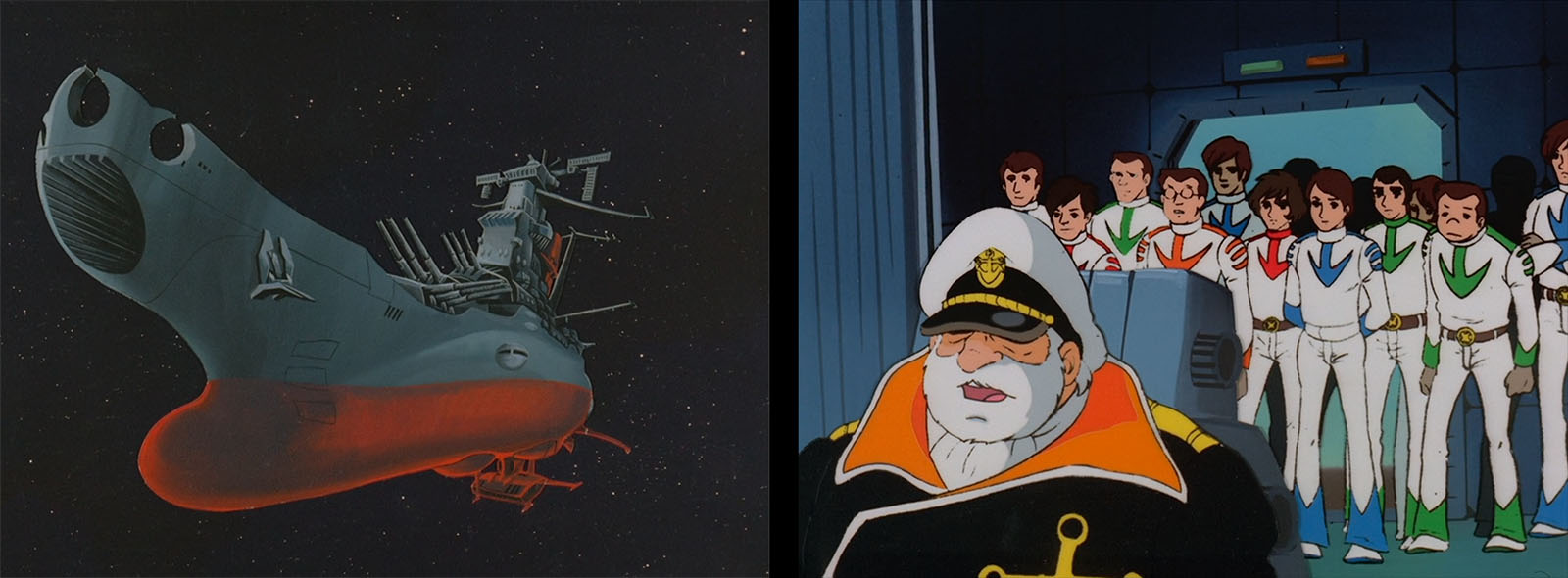
Please allow me to reintroduce myself. My name is Kenichi, and I live in the suburbs of Sapporo, Hokkaido. I have spent 32 years working on-site at an autogas station, witnessing countless human dramas amidst a harsh working environment. Outside my window, the snow has finally begun to melt, and the sound of water dripping from the roof continues all day long. Drawing on my own memories from the field, I explore the themes of extreme mental fatigue and leadership through the lens of a classic anime masterpiece from the Showa era.
This article is a review by a Sapporo-based former field engineer, now over sixty, who watched Episode 19 of the 1974 anime Space Battleship Yamato and analyzed its psychological dynamics and interpersonal relationships.
How does a person break when pushed to their absolute limit, and how are they saved? Few episodes depict this process with such honesty. This episode stands as one of the series’ finest psychological dramas, capturing the fatigue and despair of a crew pushed to their absolute limits.
What You Will Learn from This Article:
• An analysis of why the brilliant strategist Domel chooses a roundabout “psychological battle” instead of a direct attack.
• The masterful direction showing how the 100-day voyage makes its mark on the expressions and voices of Captain Okita and Aihara.
• Why Captain Okita’s famous words “Overcome anxiety and believe in tomorrow” still resonate in the modern era.
To state the conclusion upfront: the true value of Episode 19 lies not in its sci-fi setting or the impressive spectacle of its mecha, but in the atmosphere among the crew, choosing to support a comrade driven to the brink rather than blame him. Because it fully captures human frailty, something that cannot be measured by data, it continues to touch our hearts even half a century later, feeling like a story that speaks directly to us as we live through our own anxious times.
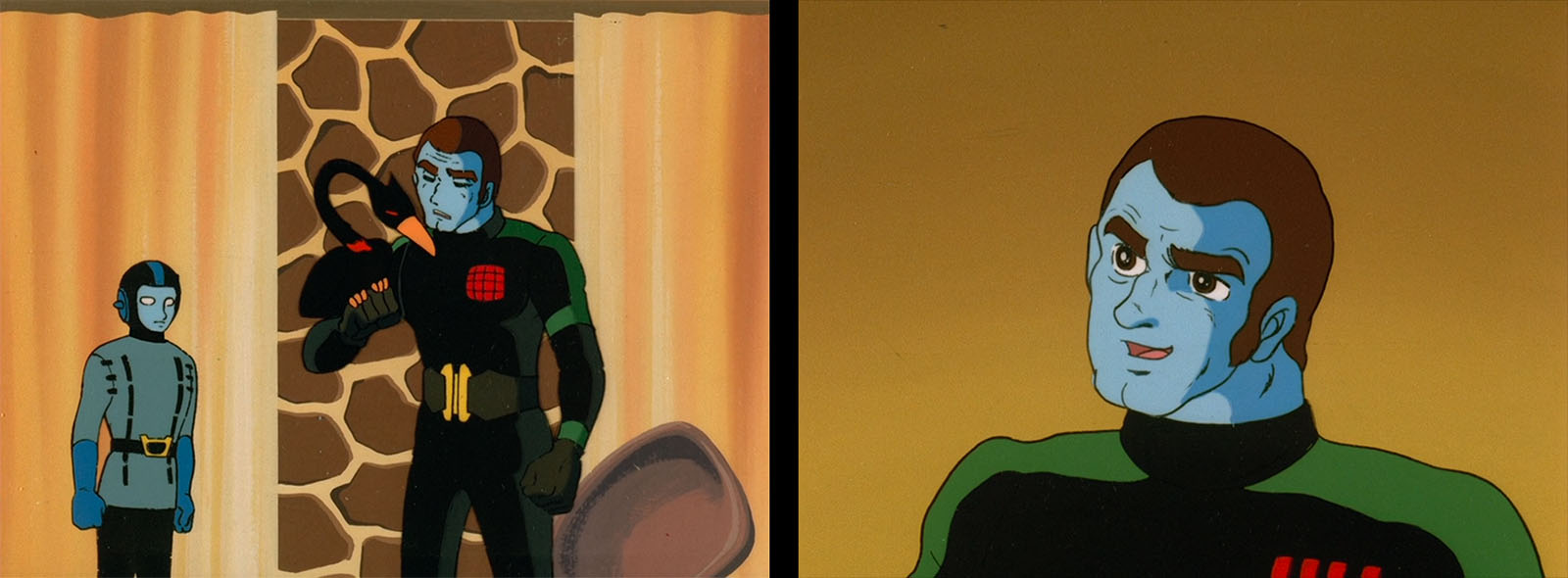
Why does Domel avoid a direct attack? The aim behind the brilliant commander’s choice of “psychological warfare”
What impresses me most about Episode 19 is the combat strategy chosen by General Domel, the brilliant Gamilas commander. Despite commanding overwhelming military might, why does he eschew a direct attack in favor of such an indirect method, using a communications relay satellite to force the crew to witness the devastation of Earth?
Upon reflection, this is a truly rational decision. He avoids the risk of facing Yamato‘s Wave-Motion Gun, a weapon of extraordinary destructive power, choosing instead to deliberately exploit the crew’s longing for home. In short, rather than trying to blast through Yamato’s formidable armor from the outside, the enemy employs a cunning form of information warfare, a tactic relevant even to modern society, to shatter the crew’s morale from the inside. It is a strategy both logically sound and terrifyingly sophisticated.
They confront those pressing forward with hope by forcing them to face the despair consuming their home. Since learning of a loved one’s plight inevitably unsettles the human heart, this is a truly cruel form of attack. It is a tactic that compells one to grudgingly admire the enemy’s ingenuity.
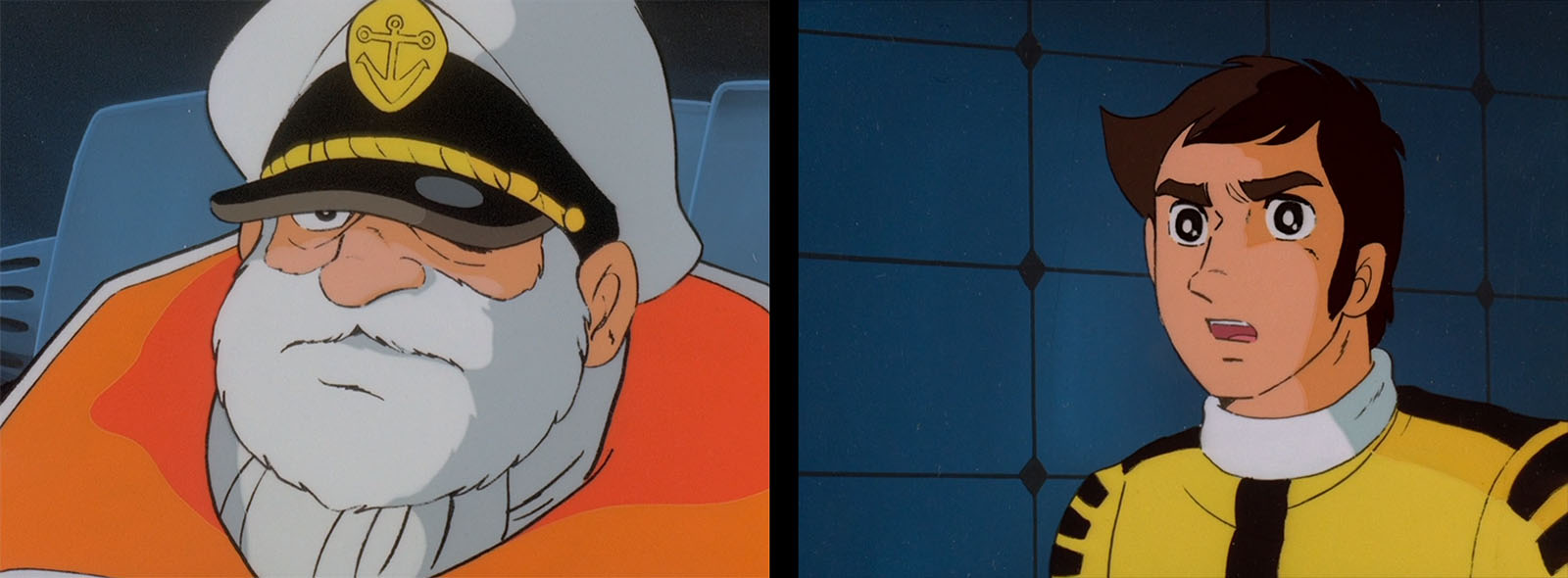
A Masterstroke of Direction: Captain Okita’s Weary Expression and Aihara’s Voice
The brilliance of this episode lies not only in its skillful storytelling, but also in the meticulousness of its direction. Contrast Captain Okita’s resolute gaze when departing Earth in Episode 1 with his expression in Episode 19; the shading in the artwork clearly etches the marks of exhaustion onto his face.
The sheer weight of the past 100 days seems to seep from every single wrinkle. Having worked in the field for so long myself, I found this kind of accumulated fatigue painfully familiar.
The scene where Aihara learns the truth while communicating with his family is also unforgettable. The sound design is superb. The mechanical static of the communicator rings out irregularly, layering over his trembling voice. The process of his spirit breaking is conveyed not just visually, but through sound as well.
It lends a painfully convincing reality to the despair that drives him to desert Yamato and flee alone into the pitch-black void of space. I am deeply convinced that a voice truly conveys the temperature of a person’s heart. Just by the tone of voice on the other end of the line, we can instantly tell whether someone is doing well or struggling.
Supporting” rather than “blaming”, the true strength of Yamato
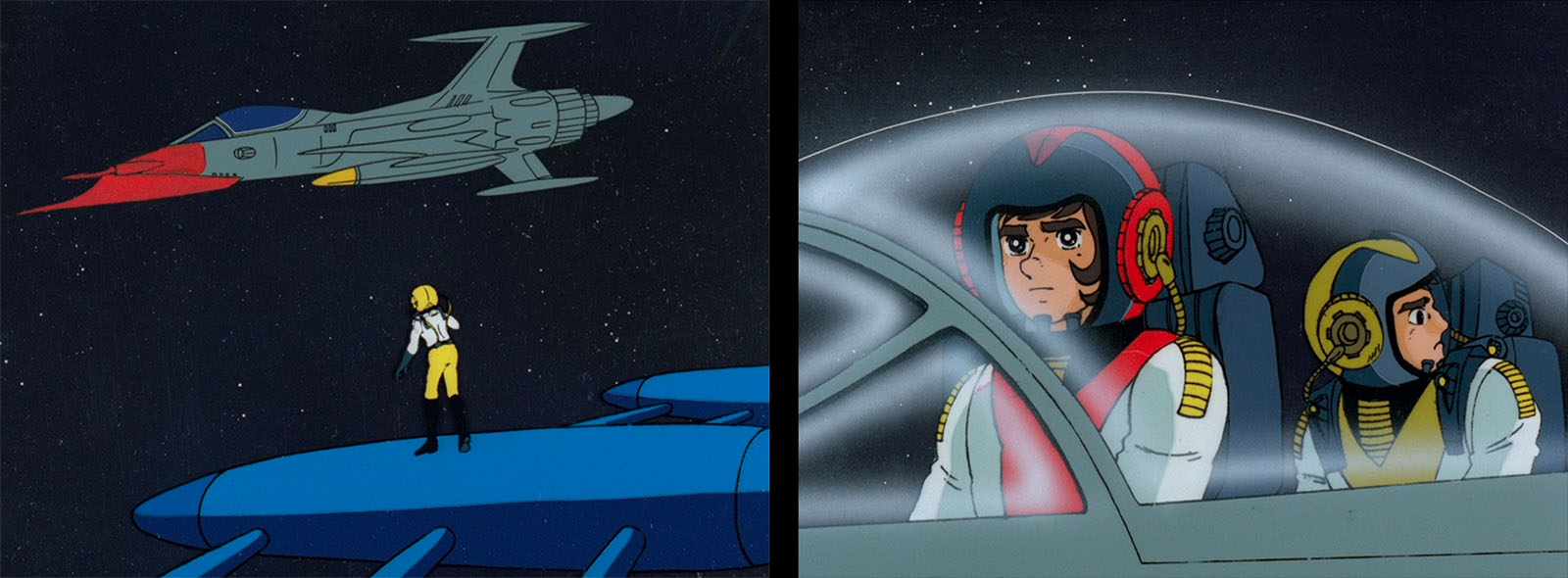
After Aihara realizes he has walked into a trap and is rescued by Susumu Kodai and the others, he is warmly welcomed back by his crew mates before returning to duty. What moves me most about this episode is the atmosphere of that specific scene.
No one blames Aihara when he apologizes for the trouble he caused. This atmosphere of “supporting rather than blaming” is precisely where the true strength of Yamato lies.
This reflects my own experience in the field: teams that silently put an arm around a young worker who has messed up, rather than those that fly off the handle and yell at them, are the ones that, strangely enough, tend to stick together to the end. Scolding is easy. I believe what is truly important, and difficult, is simply sitting silently beside someone who is hurting.
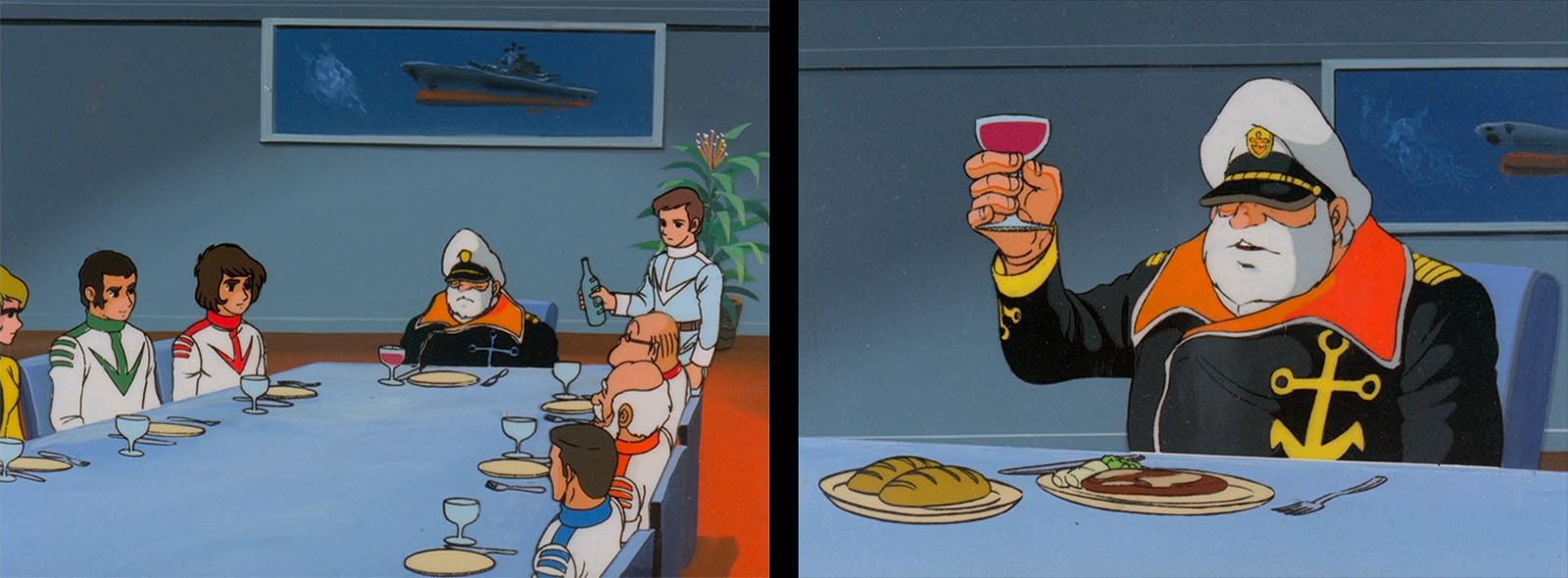
Reflecting on Captain Okita’s famous words, “Believe in tomorrow”, through 32 years of field experience
Having led workers from all walks of life, I understand all too well the anguish a leader faces in extreme situations. The words Captain Juzo Okita quietly spoke to young crew members voicing their anxiety about an uncertain future remain deeply etched in my heart.
“There is no certainty in life. What lies just ahead is darkness. Yet, if we simply give in to anxiety, we can accomplish nothing. Overcoming that fear and believing in tomorrow, that, too, is a vital battle for us.”
To be honest, I didn’t pay much heed to these words when I was young. Back then, they sounded like nothing more than a cool line of dialogue.
Now that I am older, however, they strike a chord with a sudden, profound weight. It is surely because I have learned, far more deeply than I could have imagined back then, what it truly means for the immediate future to be shrouded in darkness. I have weathered countless winters where the path ahead was invisible.
Domel’s strategy is not one of physical bombardment, but an attempt to shatter hope itself. The countermeasure is the power of belief. These words, unpolished and raw, do not offer a calculated, “correct” answer. Instead, they urge us to move forward while fully embracing human frailty. They possess a universality that transcends time.
Of course, as a work from the 1970s, it has its flaws when compared to the sophisticated sci-fi anime of today. The scientific grounding is sometimes loose, and the characters’ emotional shifts can appear rather abrupt. It would be unfair not to acknowledge this honestly.
Yet, having recently begun studying AI, I have found that there is a certain warmth in words like these that machines seem unable to translate effectively. To me, the concept of “efficiency” feels cold, much like a patch of dirty, unmelted snow.
It is not a battle of cannons, but a trap designed to pierce the heart of human vulnerability, alongside the fragility of Aihara, something that data could never measure. I believe the true value of this work lies in its unflinching portrayal of these elements.
Watching these young people clash amidst a harsh environment while gradually deepening their emotional bonds, I find myself thinking of the colleagues I worked with in the past and the time I share with my family today. Gazing at the screen, I realize now that those trivial conversations we shared, canned coffee in hand, were the greatest treasures of all. They are such nostalgic memories.
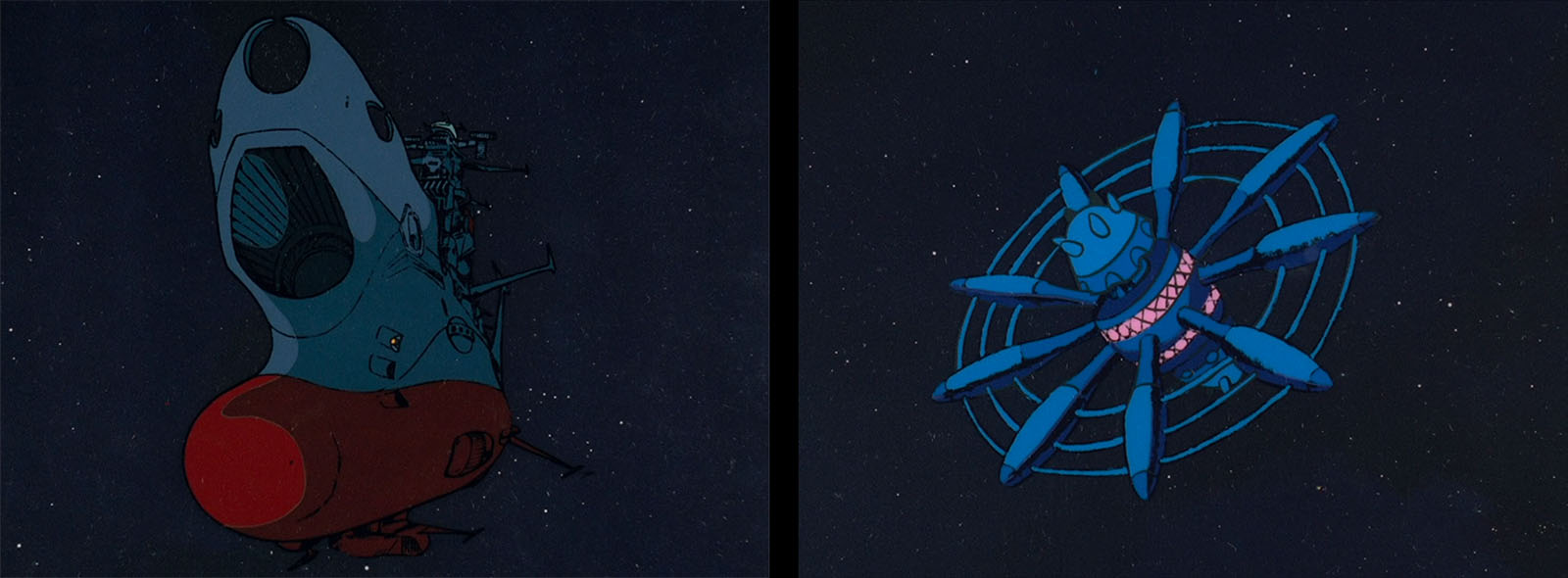
Recapping Episode 19: “Homesickness in Space! Mother’s Tears Are My Tears”
Having discussed my analysis so far, I will now briefly recap the sequence of events in Episode 19, Homesickness in Space! Mother’s Tears Are My Tears.
A Desperate Earth and a Single Ray of Hope
The year is 2199. Earth has been subjected to Planet Bombs launched by Gamilas, a mysterious planet from the far reaches of space, leaving the surface contaminated with radiation. Humanity has only one year left before extinction. The Space Battleship Yamato represents the only ray of hope in this desperate situation.
Yamato has embarked on a journey to the planet Iscandar, located 148,000 light-years away, to retrieve a device capable of removing the radiation. It is a long, lonely voyage through the Large Magellanic Cloud, requiring the ship to execute two warp jumps per day to reach its destination.
Their current objective is Planet Balan, the halfway point. However, the crew is unaware of the truth: Balan, which appears to be a mere beacon in space, is actually a Gamilas supply base for their invasion of Earth, and General Domel, a brilliant strategist, has been stationed there as the commander of operations for the Solar System sector.
Domel, intending to destroy Yamato, devises a scheme to strike before engaging in direct combat. He secretly positions a relay satellite behind Yamato and deliberately restores the previously severed communication link with Earth. His goal is to force the crew to witness the wretched state of their home planet, ravaged by riots and radiation, thereby psychologically destabilizing them.
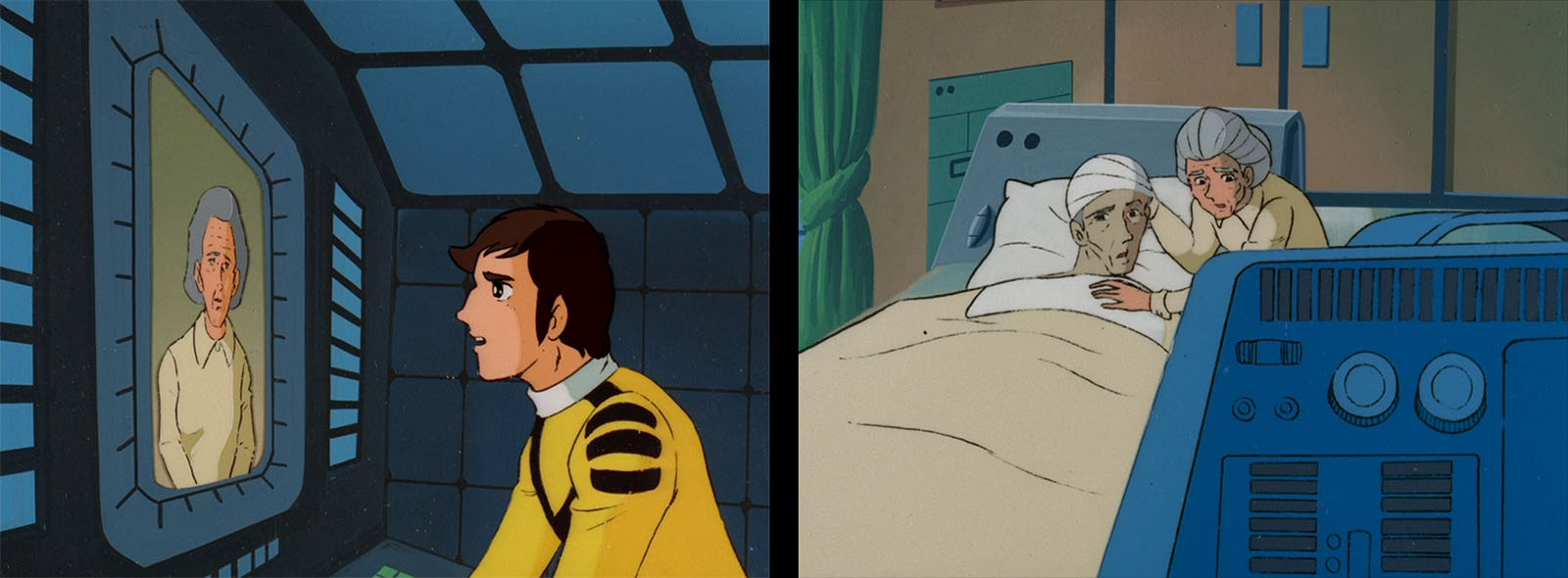
The Wavering Resolve of Communications Chief Aihara
Communications Chief Aihara is the first to be ensnared by this trap. Early in the story, he complained of unexplained ailments: severe ringing in his ears, a sickly complexion, loss of appetite, and insomnia. Dr. Sato diagnosed him with “mental fatigue.” Having left Earth over a hundred days prior and continuing the voyage within the confines of the ship, it was assumed by everyone that the mental strain was simply taking its toll.
However, what truly eats away at Aihara is a secret communication line he has re-established with Earth. He has dialed into his home and engaged in unauthorized contact without ever reporting it to command.
On the other end of the line, his mother speaks of food shortages and daily riots. She tells him how his father, who had joined the riots to feed his starving family, returned home a changed man. Then Aihara tragically witnesses his own father’s death.
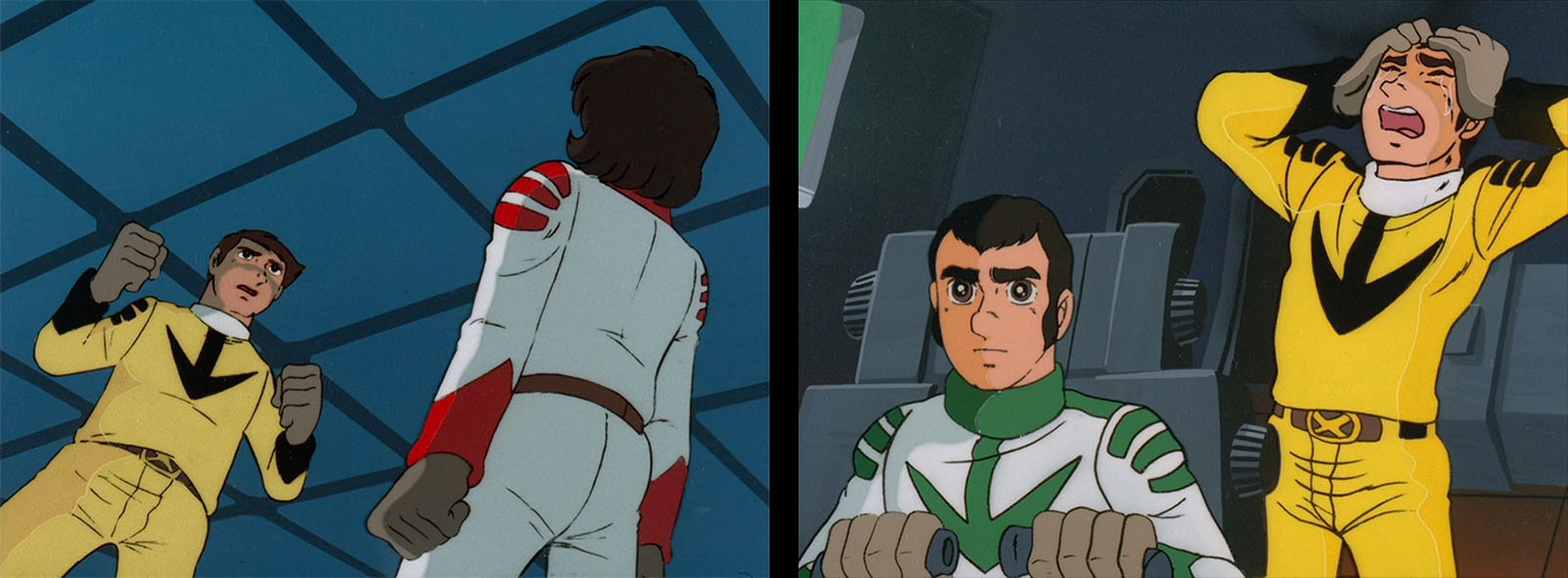
“Let’s abandon this voyage and go home!” Aihara challenges the meaning of the mission
Having lost his father, Aihara lashes out at his comrades. What’s wrong with worrying about one’s family without filing an official report? Can they really remain indifferent even if their own kin dies? He demands that they abandon this uncertain voyage and turn back to Earth immediately.
This question is not Aihara’s alone; in fact, his words voice the very anxiety that every crew member harbors deep within. No one has yet reached Iscandar. No one has grasped the true nature of the Gamilas.
There is no guarantee that Iscandar will actually provide the radiation removal device, nor any assurance that they can return to Earth before humanity faces extinction. Before them lies an unknown expanse. The only thing awaiting them is the mysterious planet Gamilas.
At dinner, someone dares to ask a question: Can Yamato truly reach Iscandar? None of them holds any certainty; all they feel is anxiety. It is in response to this question that Captain Okita speaks the words quoted earlier.
“There is no such thing as certainty in life. We cannot know what lies even a moment ahead. Yet, if we let ourselves be consumed by needless anxiety, we can achieve nothing. Overcoming that anxiety and believing in tomorrow, that, too, is a vital battle of the heart for the crew of Yamato.”
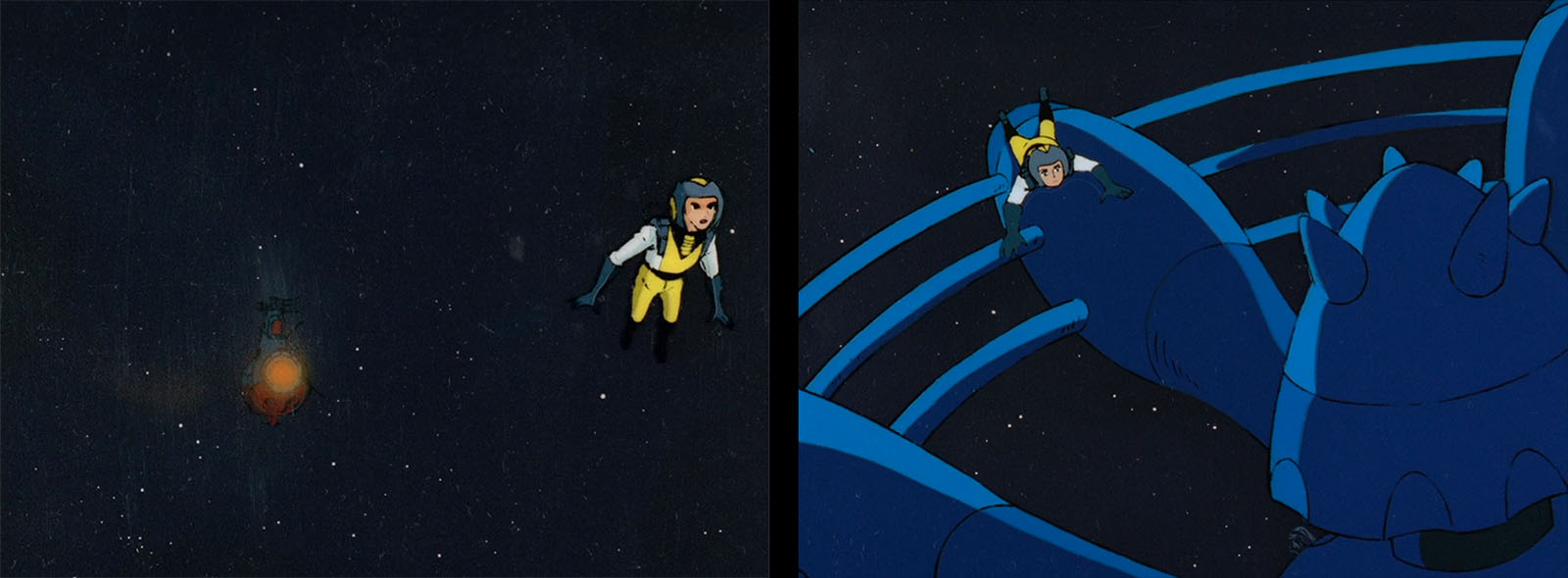
Aihara realizes it is a trap; Kodai and the others stage a rescue
Amidst the confusion, Aihara floats out of the ship. He drifts through space, longing to return to his parents. However, the voices of his Yamato comrades call out to him, and he suddenly realizes the truth. The restoration of communication with Earth is no coincidence; it was all a trap set by Gamilas.
It is Gamilas that seeks to destroy humanity; it is Gamilas that has truly killed his father. Hadn’t he boarded Yamato to fight against this very enemy? His mind was unsettled by the trap, causing him to lose sight of his purpose, but now he finally regains it.
Kodai, who went out to search for Aihara, destroys the Gamilas relay satellite and successfully rescues him. With the satellite destroyed, communication with Earth is cut off once more. Yet, this is for the best. Believing that the next time communication is restored will be when they return to Earth, they press on.
To Aihara, who hesitates and wonders, “I caused everyone so much trouble, will they forgive me?” his comrades reply: “Of course we will; we’re comrades, after all.”
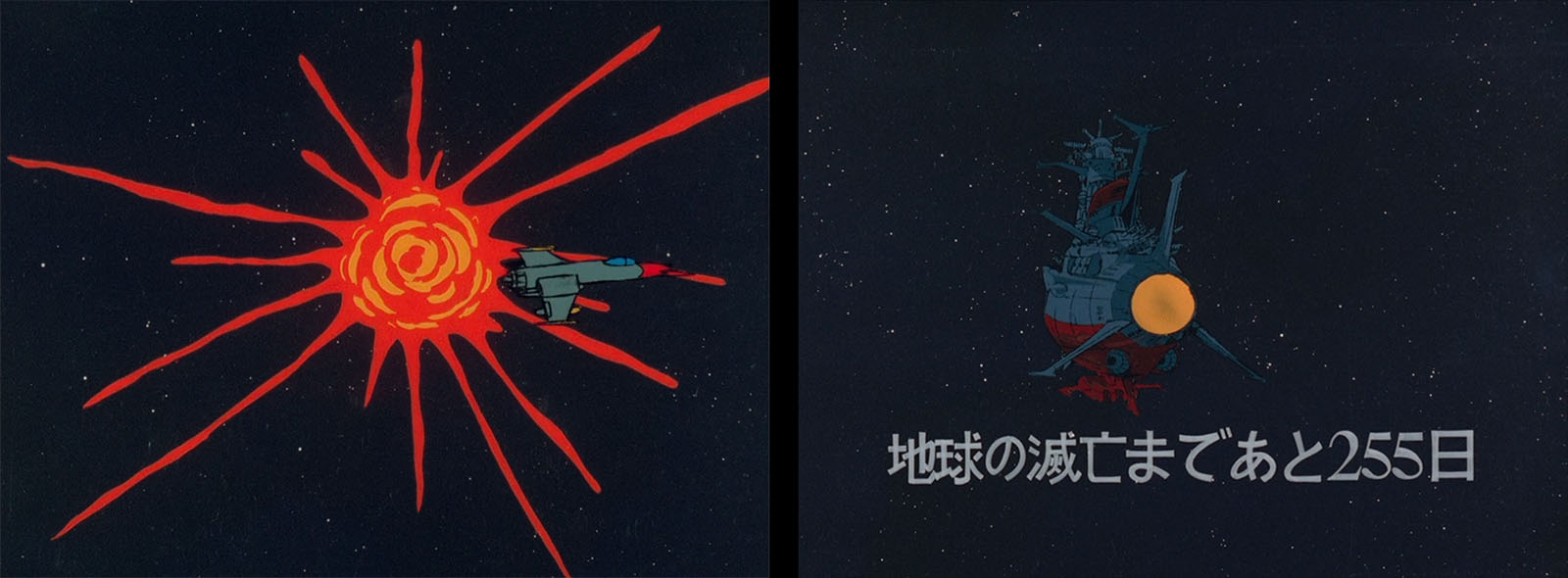
255 Days Remain: Yamato Presses On
At the intermediate waypoint of Balan, Domel is still lying in wait for a chance to destroy Yamato. The threat posed by Domel has not vanished. While the trap designed to unsettle the crew’s hearts has been broken, the true battle lies ahead.
255 days remain until the extinction of humanity. Within that limited span of time, Yamato sets its course once more for Iscandar. The people of Earth are waiting for Yamato’s return.

In Conclusion: An Old Man’s Musings
Afterword: A Story with a Human Heart and the Daily Life Awaiting Spring
Episode 19 transcends the boundaries of mere science-fiction, brilliantly portraying both human weakness and strength. I hope I have managed to convey, even a little, the “warm, living pulse” that more than compensates for the technical limitations of the era.
Outside my window in Sapporo, the soil, having endured a long, harsh winter, is now coated in mud, yet it hints at the certain sprouting of new life. And now that May has arrived, that “life” which survived the winter is bursting into bloom all at once. I suddenly found myself remembering the year I discovered the first crocus in my garden just as the snow was melting.
“You aren’t here anymore, are you?” I almost find myself saying the words aloud. It’s a funny habit. Yet, the fact that I still reach for these old works and find myself reminded of someone makes me chuckle at how surprisingly tenacious human beings are, myself included. Well, I suppose it’s just a sign of getting older. Let’s just leave it at that.
From the kitchen, warm steam rises from a pot of porridge simmering gently. It is past five o’clock, and the world outside is bright. No matter how dark a journey through space may be, it is precisely because we have a place to return to and people to protect that we can find the strength to go on.
What I wanted to convey through this article was not some brilliant analysis or a definitive answer. I simply wanted to highlight the quiet battle of “believing in tomorrow,” especially on nights filled with anxiety, and the profound warmth found in sitting silently beside someone who is hurting.
To the young generation living in the here and now: please keep this in mind.
If, upon finishing this piece, a place you long to return to or the face of someone special comes to mind, then I believe my words have served their purpose. I hope that each of you enjoys a peaceful and heartwarming day.
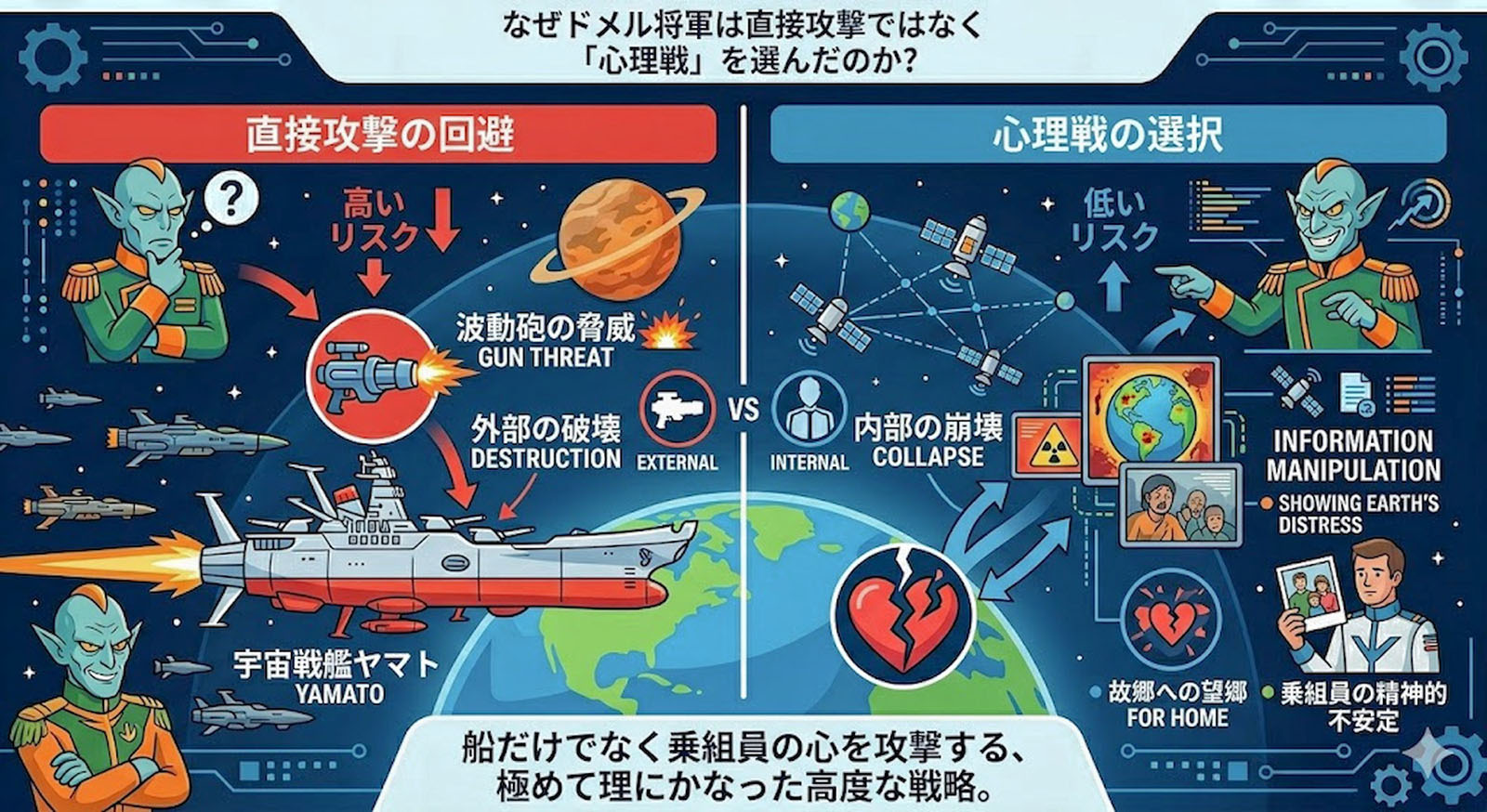
An infographic explaining the reasons why General Domel chooses psychological warfare over a direct attack. Direct attacks carry high risk. Domel aims to trigger an internal collapse by waging “psychological warfare” that will shake the enemy’s resolve. This diagram explains the logic behind that strategy.
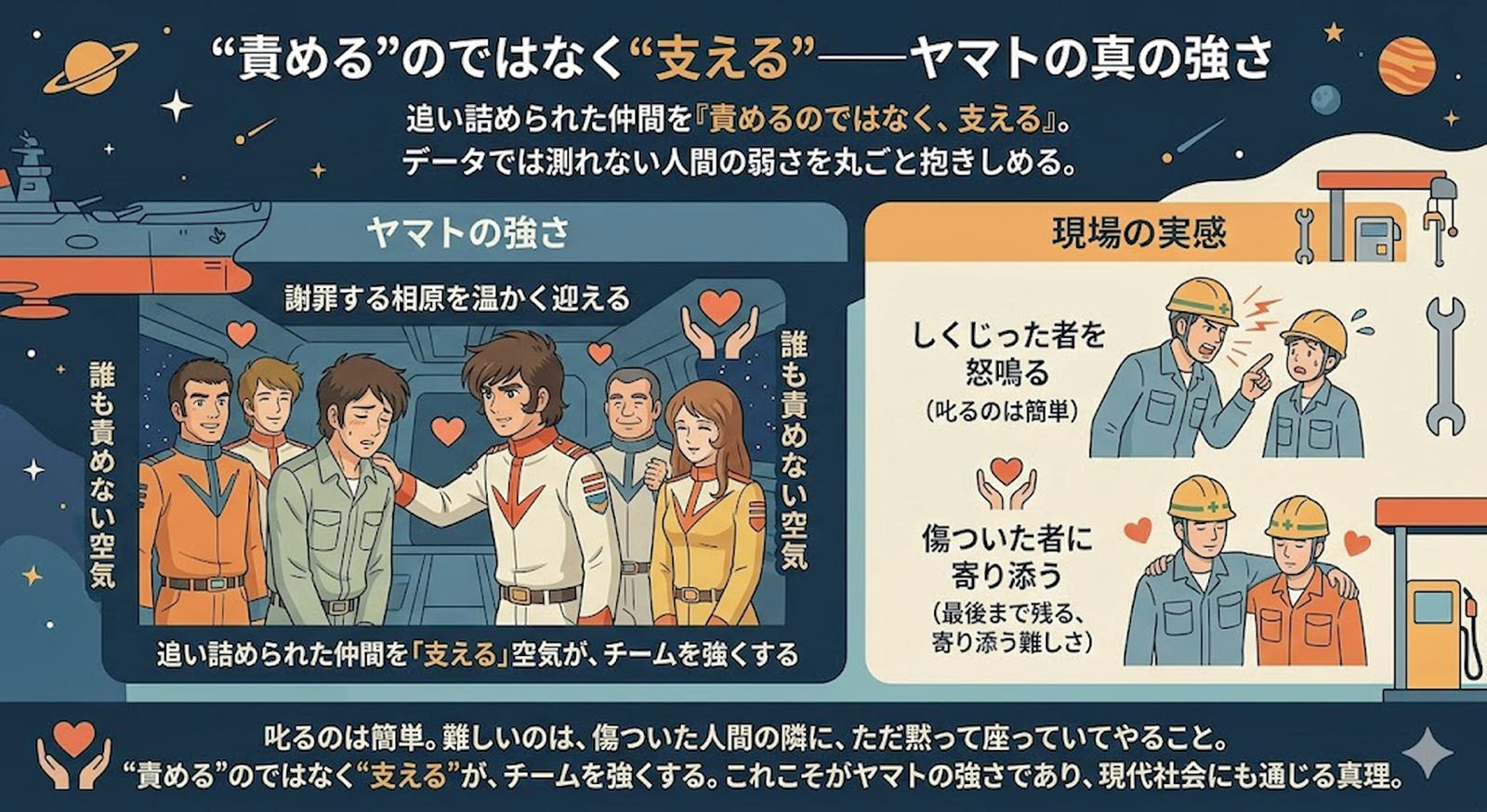
A comparative infographic illustrating how the crew supports, rather than blames, a comrade who has made a mistake. It contrasts the difference between scolding someone on the job and standing by their side. People do not become strong by being blamed; it is by being supported that they can rise again. This is the true strength of a team.
Thank you for reading to the end.