
Thoughts after watching Episode 10
See the original blog post here
The nights in Sapporo remain as biting and cold as ever. Sometime past 2:00 AM, I suddenly noticed that the kerosene gauge on my heater had dipped into the red zone. Amidst this taut, fragile silence, now that my mother, who suffers from dementia, and my emotionally fragile younger sister have finally drifted off to sleep, I sit here writing these words.
For 32 years, without a single break for New Year’s or the Obon holidays, I stood exposed to the biting winter winds, my hands gripping the nozzle of an auto-gas pump day in and day out. Years of manual labor in the field have left my fingers gnarled and knotted at the joints. Now, those same clumsy fingertips wander awkwardly across an unfamiliar computer keyboard. A man who has spent his entire life in the field, writing a blog? Even I have to laugh at the absurdity of it.
The specific episode I felt compelled to look back on tonight is Episode 10: “Farewell to the Solar System!! From the Galaxy With Love!!”
This was an episode overflowing with compassion, one that serves as spiritual sustenance for living through tomorrow. It deeply resonates with the hearts of adults who have weathered the rough seas of life, capturing the clumsy yet sincere affection exchanged amidst a moment of ultimate parting, alongside the quiet resolve of those entrusting the future to the next generation.
Episode 10 depicts the deep affection and unwavering resolve of those pressing forward to protect their loved ones, focusing specifically on the “final five minutes” just before their departure from the solar system.
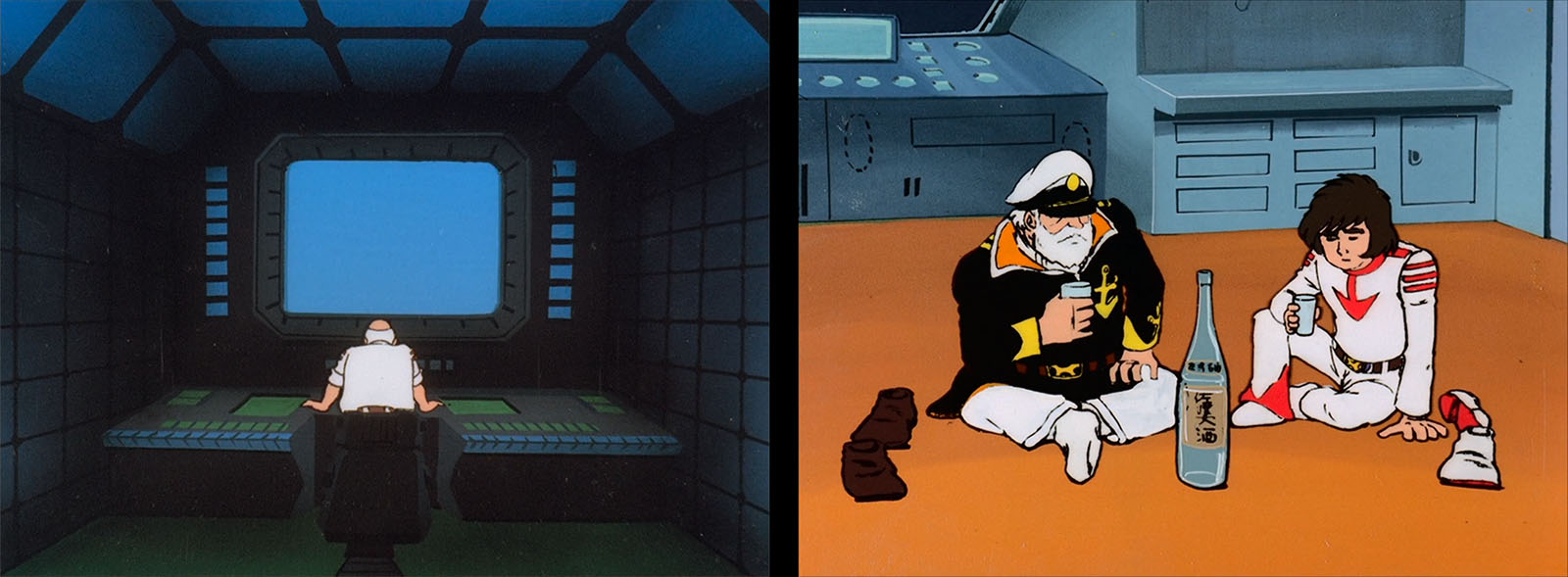
What you will learn from this article:
Chief Engineer Tokugawa’s “weight of responsibility.” A form of prayer for his family that can only be expressed by a man who has spent 32 years working for the sake of his family.
Unveiling the “ritual of men” that transcends words, and the resolve to face solitude, hidden within the quiet toast shared by Captain Okita and Susumu Kodai. Proof that love expressed through few words can be far more eloquent than any lengthy speech.
The Gaze of Yuki Mori’s Mother – The profound depths of maternal love, a sentiment so intense it borders on a “curse” to simply: “Live.”
The Lingering Echo of The Scarlet Scarf – The Showa-era aesthetic, singing of regret for what has been lost, yet of the resolve to press onward.
Reflecting on the preciousness and spiritual solace found in living, however clumsily, for the sake of others, along this one-way journey we call life. These reflections are written with the maturity and perspective gained from a life lived beyond the age of sixty.
You might ask, “Why bother talking about a story from 50 years ago now?” However, this particular episode is an exception. Now that I have passed my sixtieth birthday, having long since crossed the halfway point of my life’s journey, the themes of “parting” and “responsibility” depicted here pierce me deeply, clinging to me as if they were memories of my own.
By the time you finish reading this article, I hope you, the readers, will feel a renewed sense of tenderness toward the “loved ones” you often forget amidst the hustle and bustle of daily life, and gain a deeper appreciation for the true meaning of the burdens you currently carry.
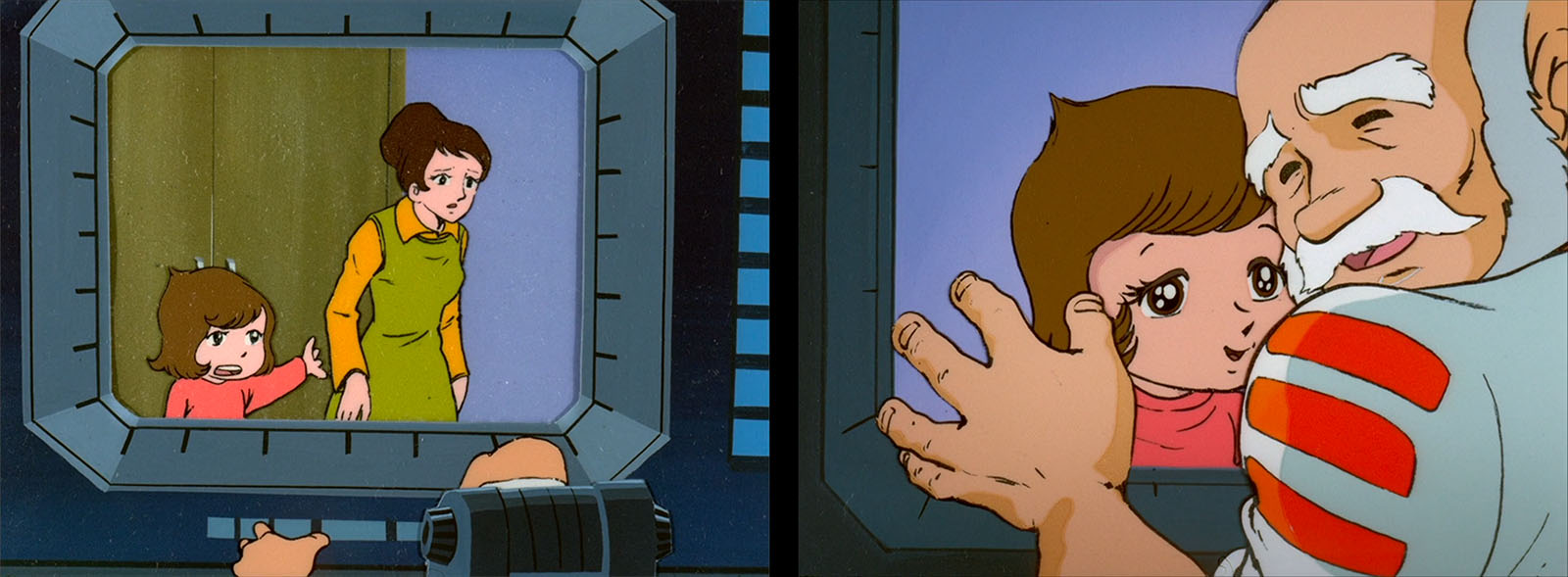
Chief Engineer Tokugawa’s silent prayers for his family
With only one year remaining until the extinction of the human race, the episode depicts the critical moment just before the Yamato executes its “Great Warp”, a maneuver that will finally carry it beyond the solar system, severing all future communication with Earth. The only concession Captain Okita grants his crew is a mere five minutes for their “final farewells.” The sight of Daisuke Shima and his younger brother (who, placing his faith in his older sibling, builds a miniature Yamato) is certainly moving enough to bring tears to one’s eyes. However, the character I find myself identifying with most deeply is the veteran Chief Engineer, Hikozaemon Tokugawa.
“Aiko… grow up strong…”
That image of him, his voice choking with emotion as he speaks to his granddaughter Aiko through a video screen, is truly poignant. It is the image of a man’s back: a man who has toiled tirelessly and desperately on the front lines, enduring the grit and grime of the job solely to provide for his family. Within that slightly stooped posture lies a prayer for the generation that will live on into the future. For 32 years, I worked in much the same way, devoting myself entirely to the task of protecting my family. That is precisely why I understand, with an almost painful clarity, the sheer weight of Tokugawa’s unspoken silence.
These days, I find myself sacrificing my own personal time to care for my elderly mother. To be honest, there are moments when I feel as though my spirit is on the verge of breaking. Yet, whenever I look at that expression on Chief Engineer Tokugawa’s face, I feel a sense of solace, as if to ask myself: “Have I, too, managed to live my life in that same way, striving desperately for the sake of someone else’s future?”
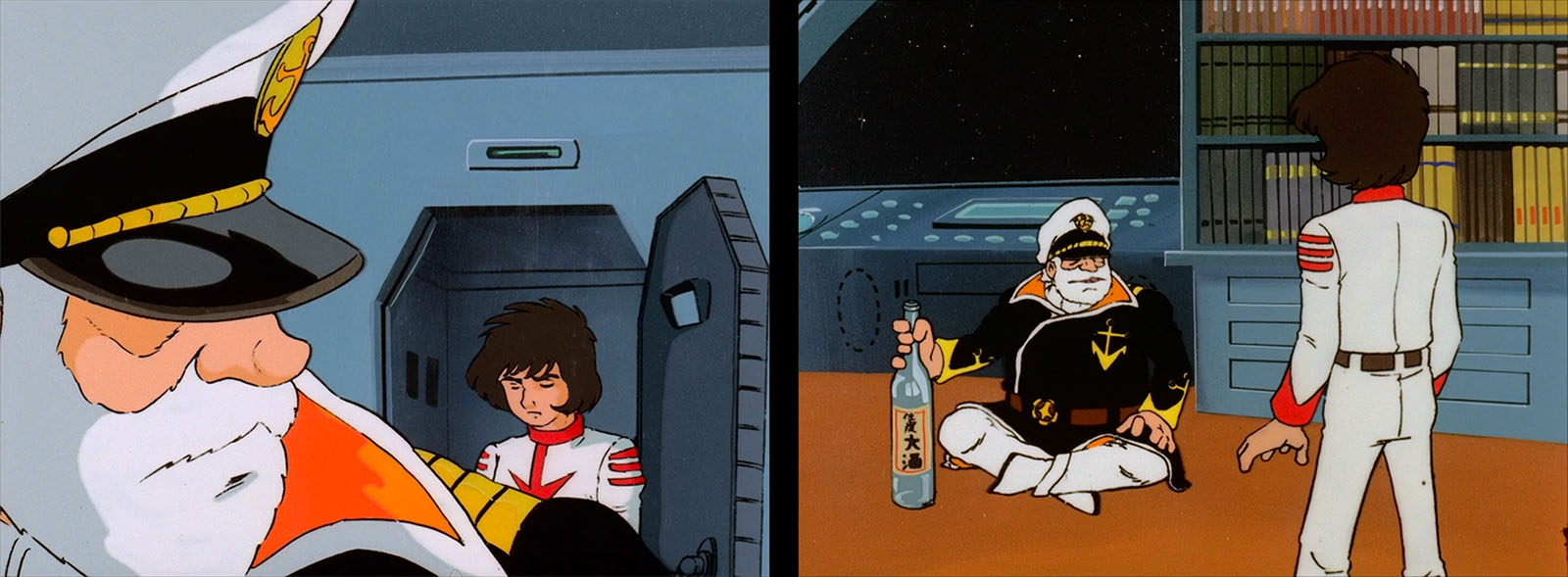
Delving into Character Psychology: The Resolve to Bear Solitude
In this episode, is it not the sight of those two solitary figures, standing apart from the bustling activity of the communications room, that resonates most deeply with the fans?
“So, you’ve come, Kodai. I wanted to see you, too.”
Susumu Kodai, a young man with no surviving family, stands alone, quietly gazing out into space. Appearing before him is Captain Okita, a man who bears a burden of solitude just as heavy as his own. Inside the Captain’s quarters, the two men share a silent drink. Encapsulated within this brief exchange is an overwhelming sense of pathos.
Lately, I’ve been studying how to write using AI. If an AI were focused solely on efficiency, it might generate lines designed to evoke emotion in a far more logical and straightforward manner. Yet, I believe that what truly matters to us humans are those intangible sentiments, those “inexpressible pauses” and “awkward nuances” that defy easy definition.
When I first watched this scene in my youth, I felt nothing more than a simple sense of loneliness. But now, with the perspective of age, I understand. This was not merely a farewell; it was a ritual, a rite of passage for men, performed just before embarking on a desperate journey. They reaffirmed, deep in their very souls, what they were carrying on their shoulders, and for whom they were fighting.
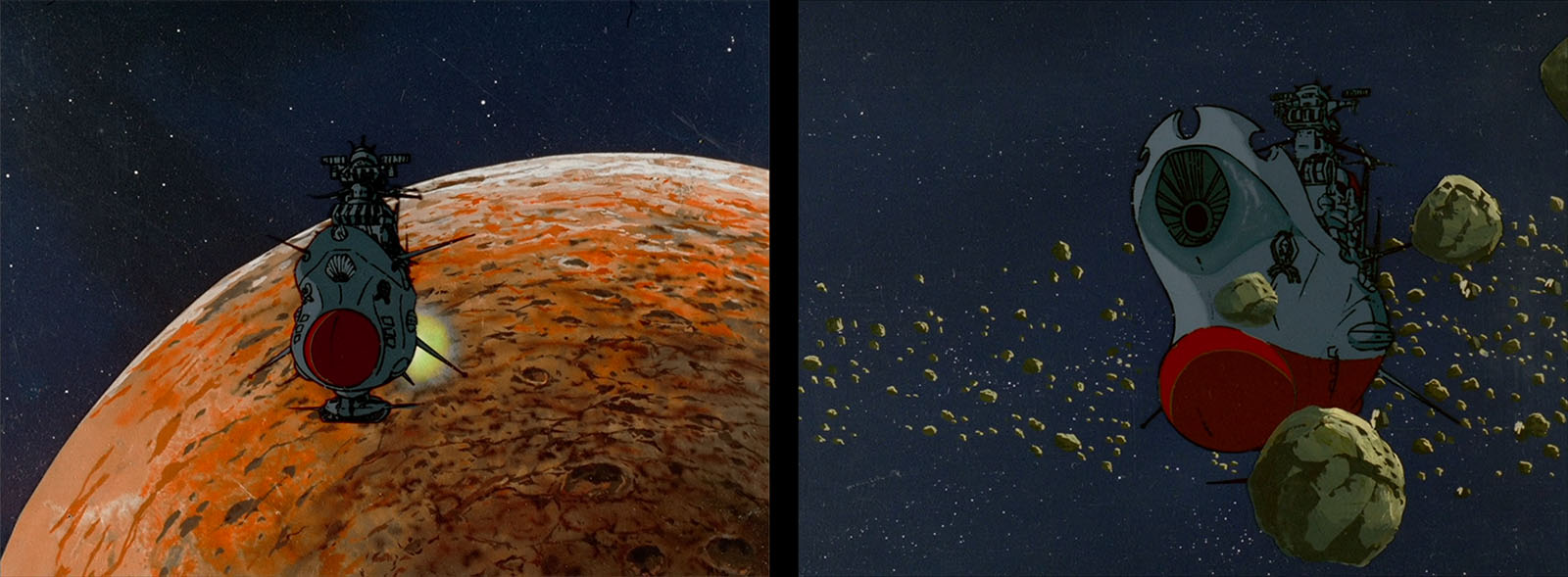
Story Synopsis: Farewell, Solar System: Entrusting a Faint Hope to the Galaxy
1. Earth on the Brink of Despair, and Its Last Hope
The year is 2199 AD. Earth has been subjected to indiscriminate attacks by “planet bombs” launched by the mysterious alien race known as the Gamilas, and has lost its former blue luster. The surface is contaminated with radiation. Although humanity has managed to survive by fleeing into underground cities, its lifeline is rapidly drawing to a close. Only one year remains until the extinction of the human race.
Amidst this utter despair, a helping hand is extended from a staggering 148,000 light-years away, from the planet Iscandar in the Large Magellanic Cloud. A message from Queen Starsha offers the gift of a radiation-removal device known as the “Cosmo Cleaner D.” Humanity entrusts its final hope to the Space Battleship Yamato, a vessel created by retrofitting a battleship of the former Imperial Navy that had lain dormant beneath the Earth.
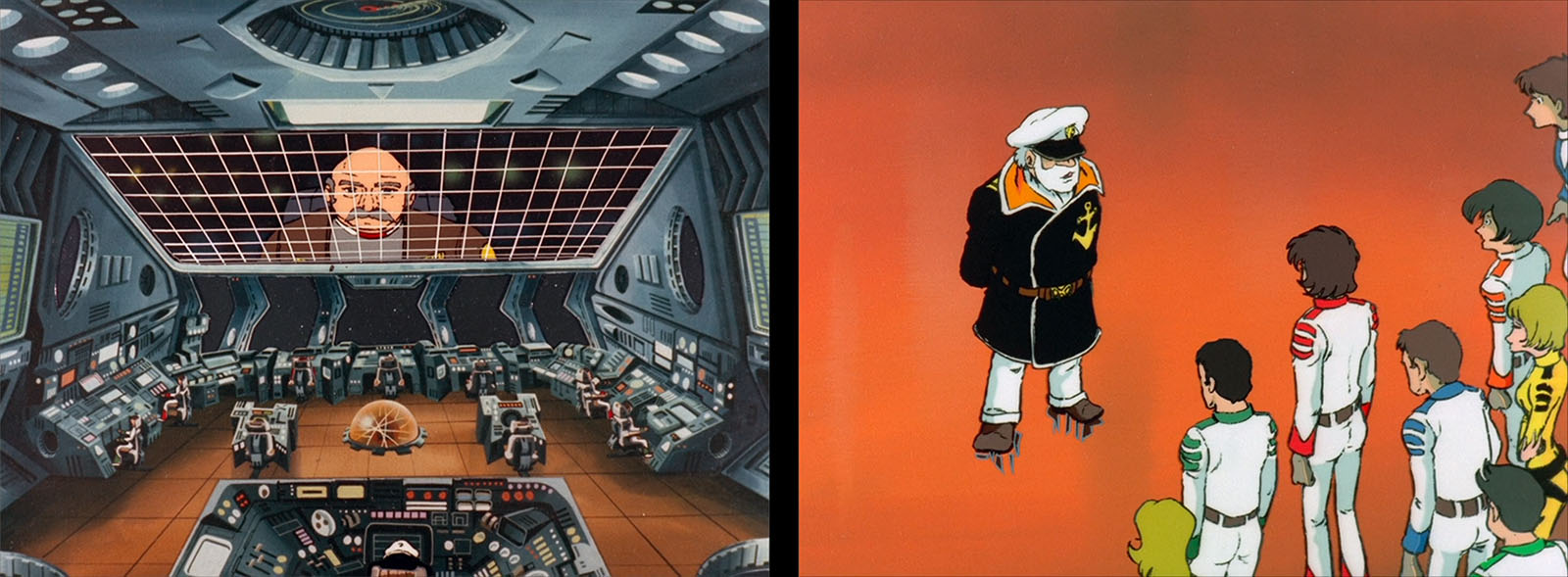
2. A Five-Minute “Final Farewell”
Having struck the Gamilas forward base on Pluto, Yamato has finally reached the very edge of the solar system. Yet, lying beyond this point is a sea of galaxies, a realm of the cosmos never before trodden by humanity. Once they step out into it, they may never again have the chance to set foot on Earth’s soil again. Amidst this voyage, undertaken with such grim, life-or-death resolve, Captain Okita makes a momentous decision.
It is an announcement that they had reached the absolute limit, the farthest point at which video communication with Earth remained possible. To grant every crew member the opportunity to exchange words on last time with their families and friends, who waited back on Earth in trembling anxiety, he authorizes a five-minute window for personal communication.
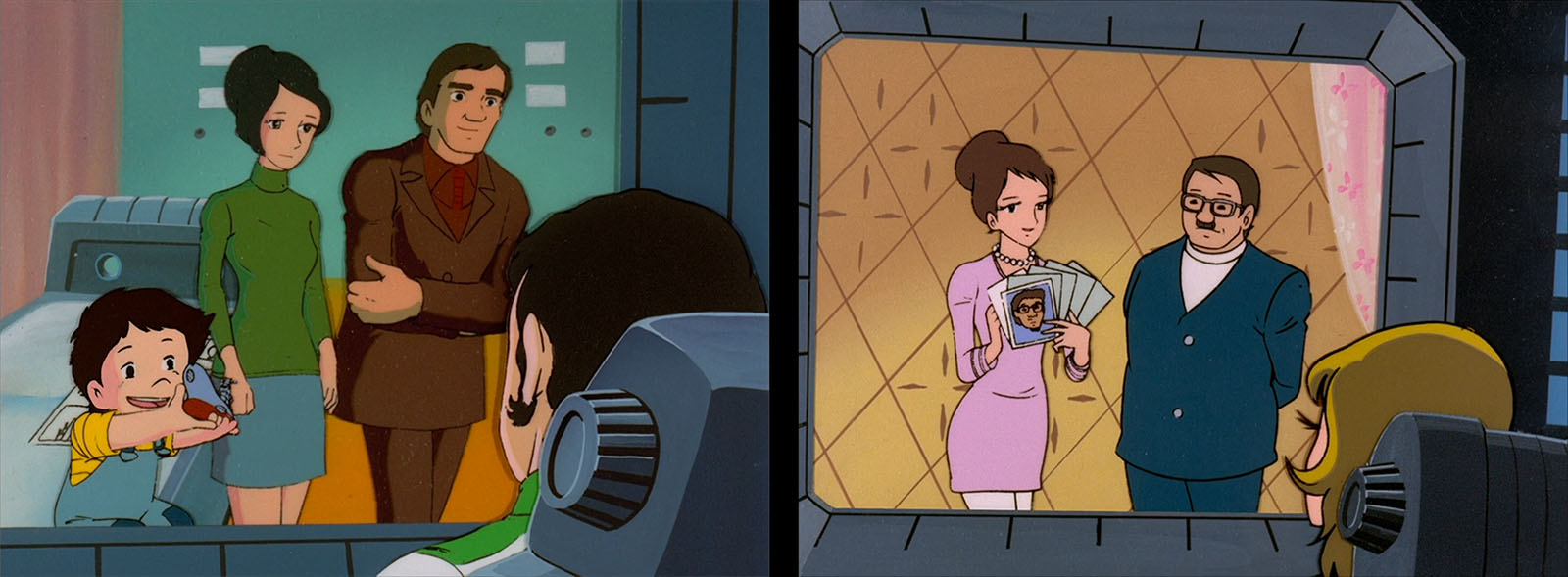
3. Portraits of “Family”
The ship is momentarily enveloped in a flurry of activity. Appearing on the screen before Navigation Chief Daisuke Shima are his younger brother, Jiro, who believes in his older brother without a shred of doubt, and their parents. Shima vows deep within his heart: “I will return.”
Connecting with Chief Engineer Hikozaemon Tokugawa are his son and daughter-in-law, along with his young granddaughter, Aiko. As the stern old engineer’s eyes soften with tenderness, he murmurs as if speaking to himself: “Never abandon hope. Even when things seem hopeless, if you cast aside that last glimmer of hope, life becomes too painful to bear.”
Chief of Life Support Yuki Mori can only offer a wry smile at the barrage of “matchmaking photos” sent by her mother. For Yuki, who has immersed herself in the crucible of war, her mother’s strength in wishing for her daughter’s happiness, even in the face of total planetary annihilation, is a source of comfort and salvation beyond all else.
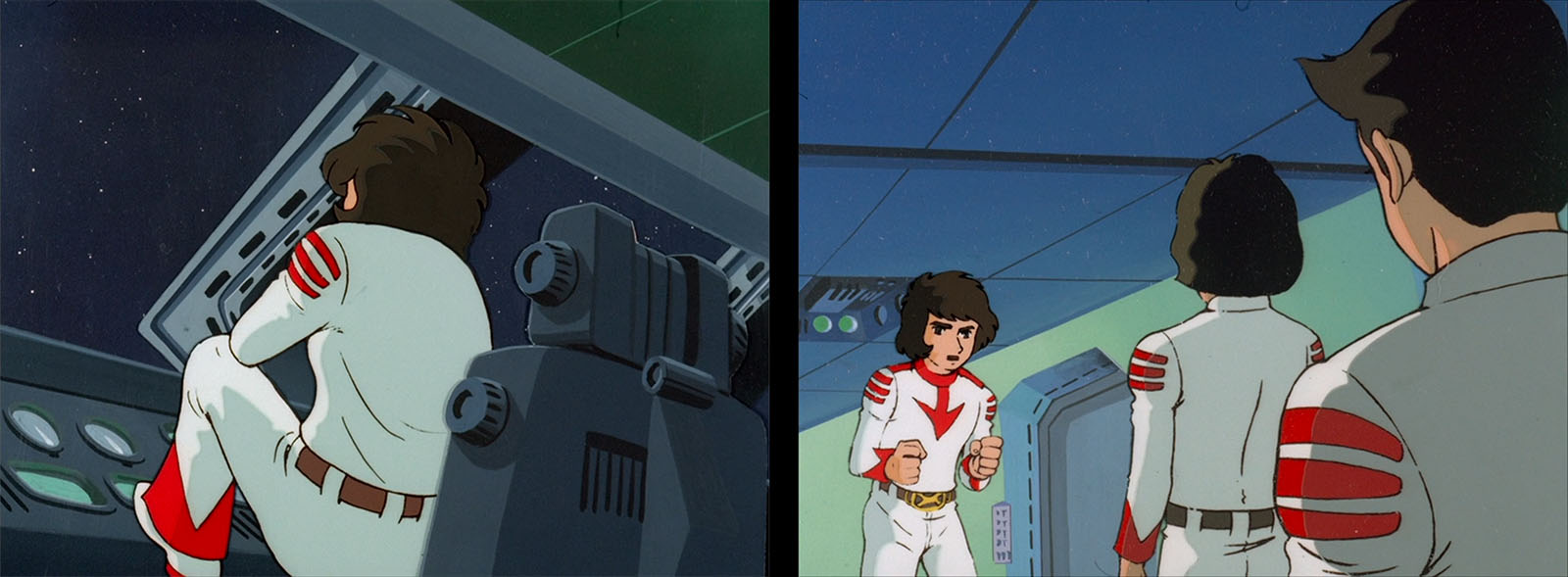
4. Susumu Kodai’s Solitude and Anger
Amidst the bustling activity on the ship, Combat Chief Susumu Kodai stands apart, his back turned to the crowd. He has no home to return to, nor any parents or siblings waiting for him. His older brother, Mamoru, has already fallen in battle.
As Kodai grapples with the crushing weight of his solitude, the ship’s convivial atmosphere feels to him like a state of “peace-induced complacency,” a willful obliviousness to the harsh reality they face, and he cannot conceal his mounting irritation. He lashes out at those around him, demanding that they maintain discipline. Yet, beneath that harsh exterior lies a loneliness so profound it threatens to tear him apart.
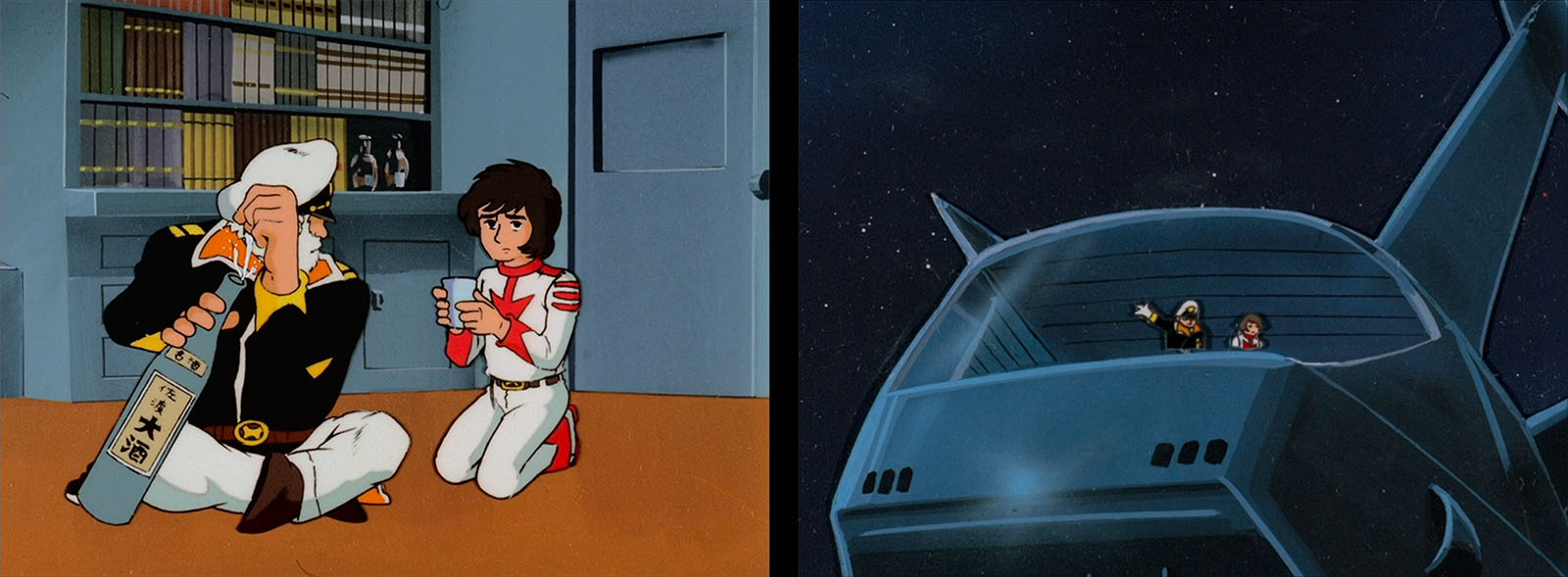
5. A Quiet Toast with Captain Okita
Burdened by emotions with nowhere to go, Kodai finds his way to the quarters of Captain Okita, a man who, like him, has lost his family. As they gaze out the window toward the scorched, crimson Earth floating in the void, the two men quietly share a drink.
“Now, I bid farewell to my homeland. Farewell, Earth.”
Moved by Okita’s words, Kodai musters every ounce of bravado he can find, his voice trembling with tears, and cries out: “We will come back! Goodbye!” That cry is the very embodiment of the prayers of every crew member aboard, and of all humanity.
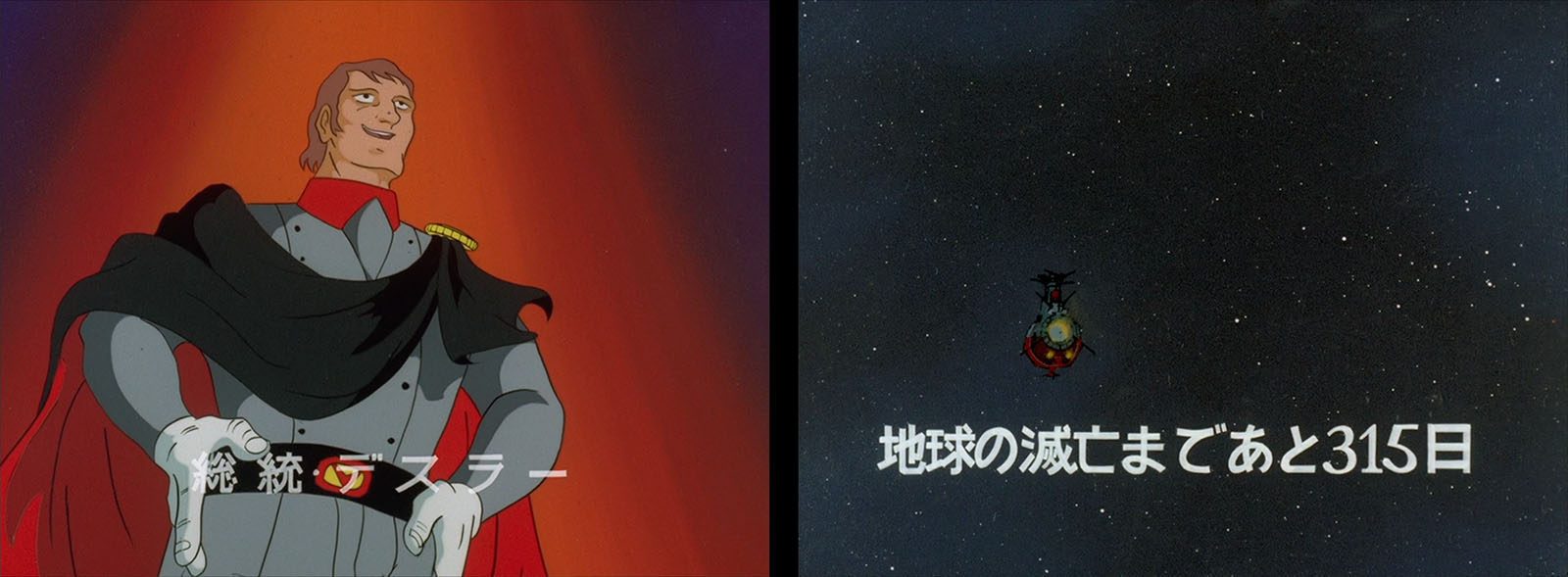
6. The Fateful Journey Continues
Communications go dead as Yamato finally breaks through the solar system’s outer limits. Watching this spectacle with a sneer is Dessler, the ruler of Gamilon.
“Tremble in fear before the vastness of the universe and the might of my Gamilon!”
Just 315 days remain until the extinction of the human race. Yamato presses onward, single-mindedly forging ahead on a distant journey spanning 148,000 light-years. It pushes on, enduring the crushing weight of the destiny it carries, all to answer the smiles of the people waving their crimson scarves back home.
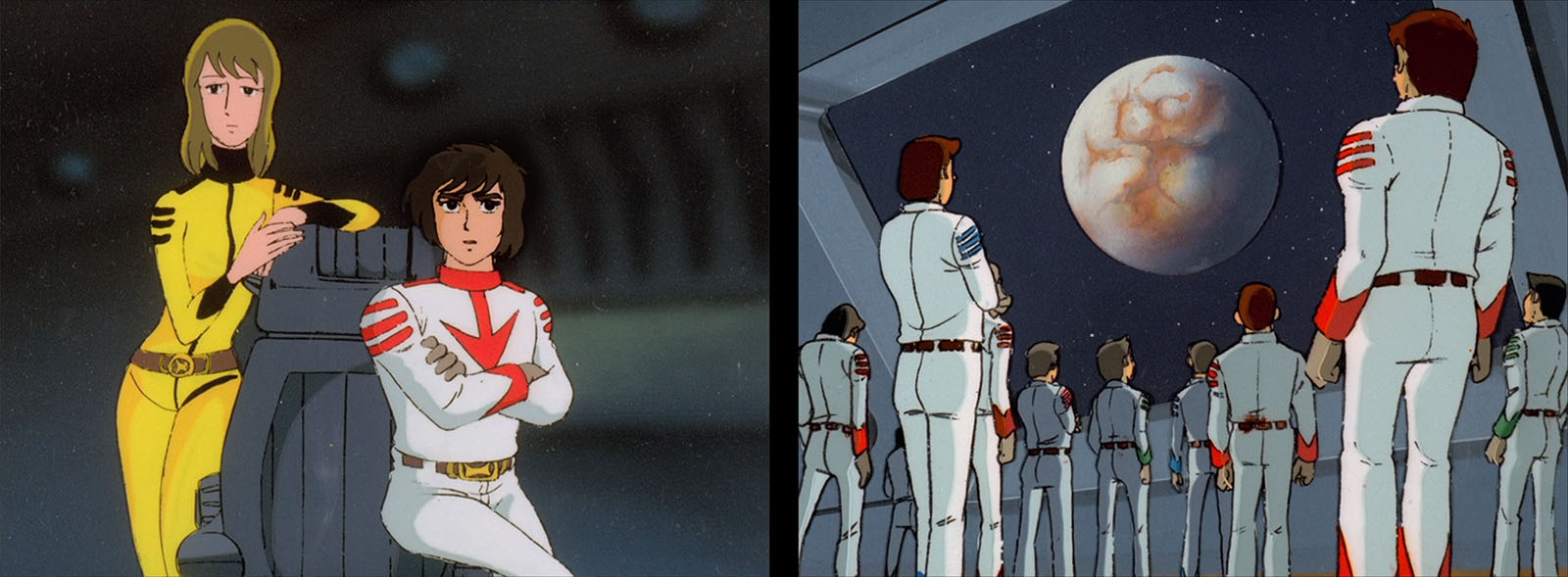
The Scarlet Scarf
As Yamato vanishes beyond the light, the screen displays a stark, merciless countdown: “315 Days Until the Destruction of Earth.” And then, as Isao Sasaki’s The Scarlet Scarf begins to play during the closing credits, a lingering sensation remains in my heart, one that is warm, yet undeniably poignant.
Whenever I hear this song, I am reminded of my late wife. Sometimes I feel the urge to curse at the sky, shouting, “Hey! Aren’t you up there somewhere?” Yet, it’s precisely because of this loneliness that I’m able to keep standing today.
I turned down the flame on the stove a little. Gazing out the window at the snow falling and piling up in silence, I feel that our own lives, too, are journeys with a one-way ticket, much like that of Yamato. Even so, we live on, thinking of others, and clumsily hunching our backs as we strive for their sake. That alone gives life more than enough meaning. That is what I want to believe.

A Senior’s Soliloquy
The spring thaw in Sapporo is a muddy affair. The grime that clings to my rubber boots is stubborn and hard to wash away. For 32 years, I have toiled in the field, covered in machine oil. Yet, much like the gradual wear and tear of metal, the human heart, too, is slowly ground down over time without us even realizing it.
Watching the orphaned Kodai and the solitary Captain Okita quietly sharing a drink together, I suddenly found myself projecting my own circumstances onto theirs. That unyielding will, to rise up and protect the future of others, even while harboring a loneliness one cannot speak of, resembles the heat felt at one’s fingertips when turning a frozen valve in the bitter cold.
The machine known as the human heart will quickly begin to creak and scream in protest if its maintenance is neglected. On nights when I am all alone, I quietly steel my resolve, reminding myself that I, too, with these clumsy hands of mine, have something precious that I must protect. Have you, the one reading this article right now, taken the time recently to carefully mend your own frayed edges, whether through the help of another person or by your own hand?
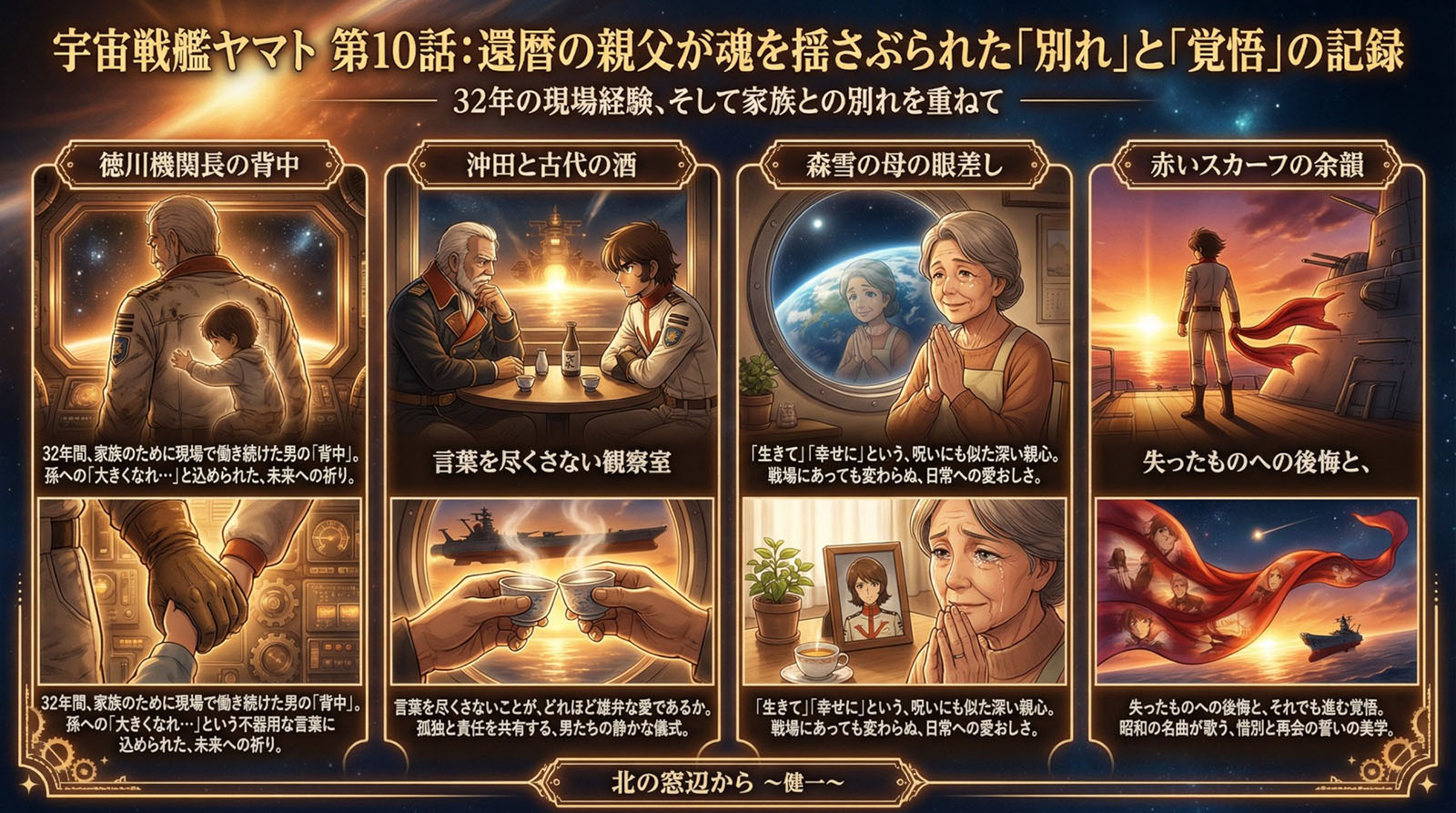
An illustrated analysis of Episode 10. It explores the empathy felt for Chief Engineer Tokugawa, who continues to toil in the “field” (Yamato’s engine room) for the sake of his family, and the aesthetic shared by Captain Okita and Kodai: the “dialogue of silence over sake.” Drawing parallels between 32 years of hands-on professional experience and the painful farewells exchanged with his own family, this infographic encapsulates the themes of “parting sorrow and the vow of reunion” sung of in this Showa-era masterpiece.
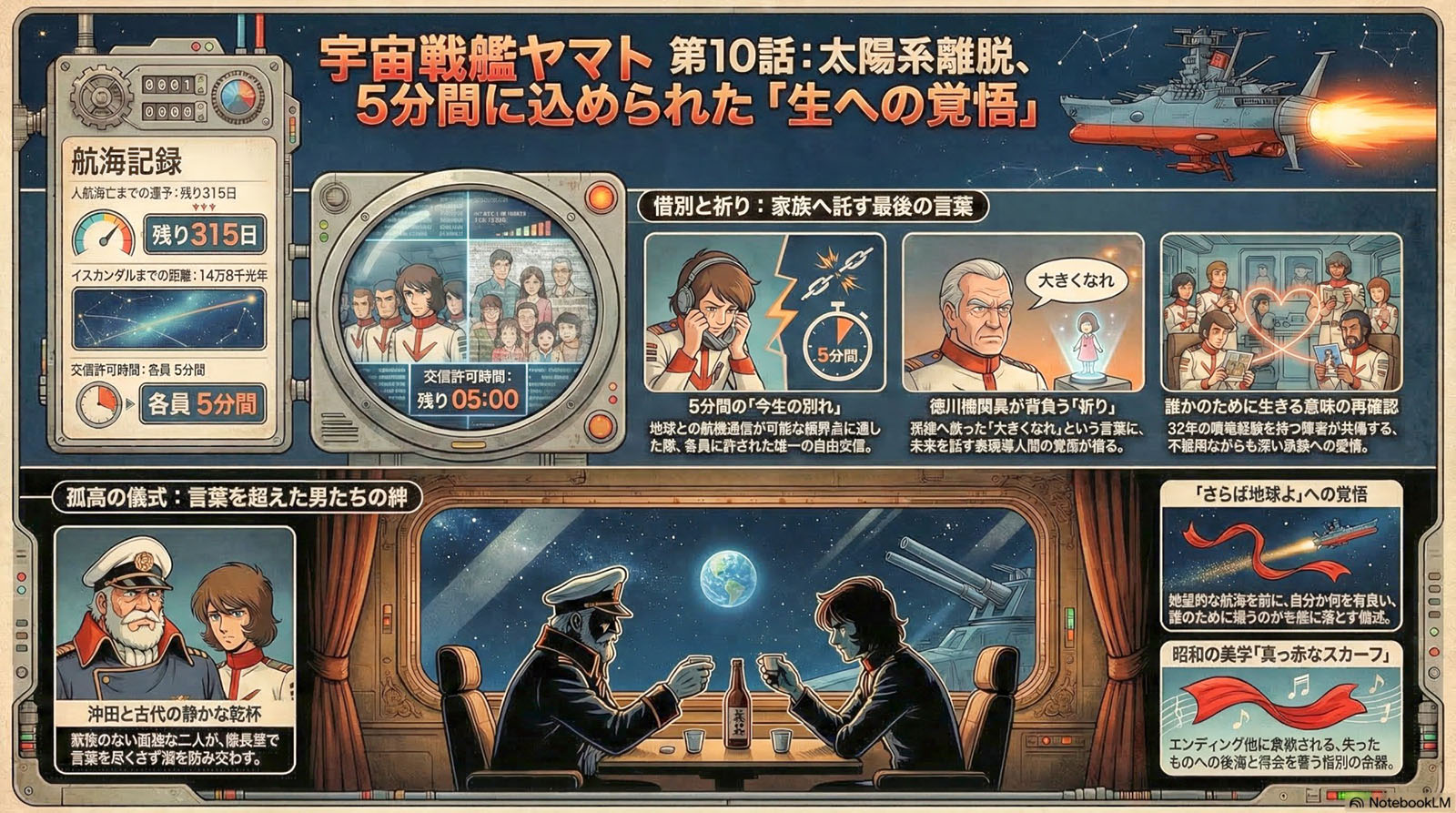
The moment the ship departs the solar system is captured in a shot of Yamato‘s stern, powerfully forging ahead into the vast, unknown cosmos with Earth at its back. This emotional scene serves as a symbol of the “parting sorrow and vow of reunion” analyzed in this infographic. It also projects Kenichi’s own resolve as he steps away from his “safe haven” (his 32 years of field experience) to embark on a new challenge for the sake of his family.
Thank you for reading to the end.